
A worsening humanitarian crisis is occurring within Palestine as both military action, settler violence, land seizures and obstructed humanitarian aid all cause suffering to civilians within the region. In the period of 10 th to 16 th November 2026, 1229 incidents occurred across Palestine, showing the increased suffering in Gaza and occupied West Bank. This data demonstrates that the crisis within Palestine extends beyond military attacks and includes displacement of individuals, loss of livelihood and limited humanitarian assistance, as well as a gradual loss of Palestinian land rights.
Worsening Winter Conditions in Gaza
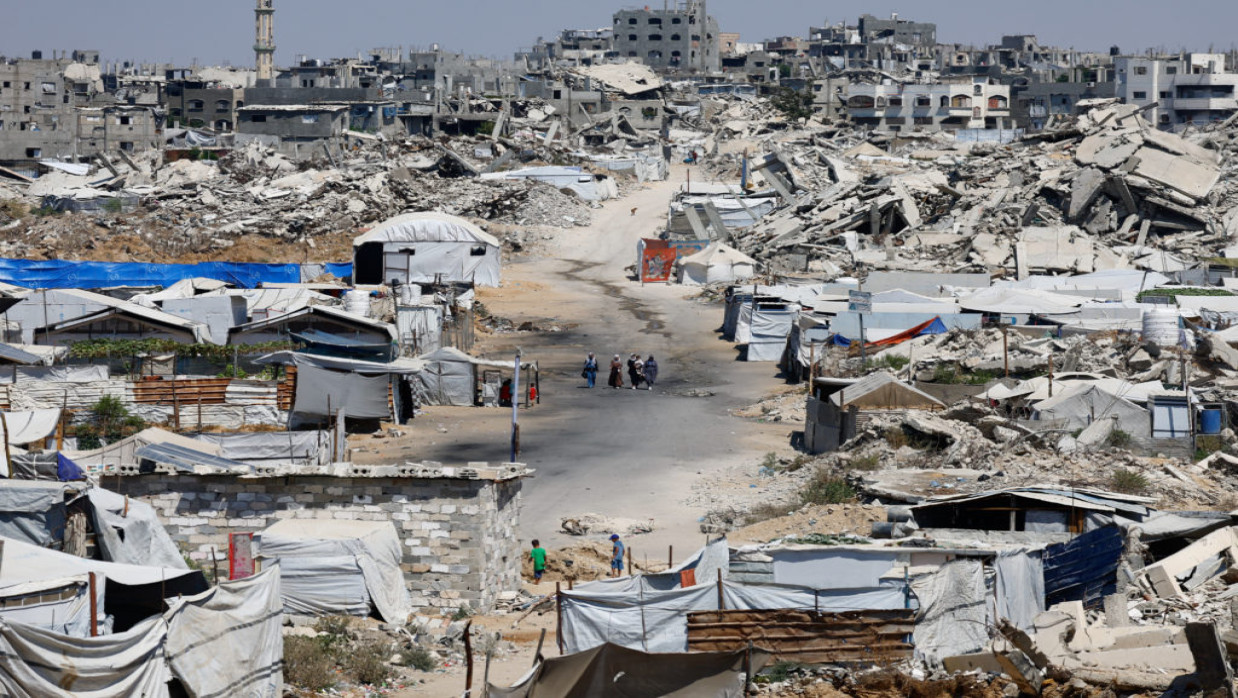
200,000 Palestinians have been affected by flooding and around 940,000 people within Gaza live in areas at risk of flooding. Many families in Gaza are living inside damaged tents and makeshift accommodation, meaning that they are highly vulnerable to the harsh weather. Over 150,000 tents, as well as other resources, are currently waiting to be delivered into Gaza. As these items are yet to be allowed in, many displaced families face unnecessary suffering during the winter months.
The United Nations Office for the Coordination of Humanitarian Affairs has also reported a severe situation. In November, they found that shelters/ camps for displaced individuals in the area have suffered widespread damage. Over 3,000 shelters have also suffered damage or destruction. There are severe shortages of equipment required to clear floods in order to allow essential services to resume. Healthcare facilities, education and sanitation systems have all been impacted by flooding, increasing the risk of illness for individuals in the region. With many displaced individuals no longer having access to safe housing, clean water and adequate medical care, it is very challenging for them to survive through the winter. Without the timely delivery of shelters, medical equipment, machinery and other resources to assist individuals, effective humanitarian assistance cannot take place.
Continued Violence
33 people were killed in Gaza and 1 in the West Bank, whilst 139 people were injured in both regions between 10 th November and 16 th November 2026. Cumulatively, 75,503 people have been killed and 181,251 people injured since 7 th October 2023 and up until 16 th November 2026. This highlights the extreme human cost caused by continued conflict. Health facilities, displaced people and general infrastructure within civilian areas are all vulnerable to military action. A lack of essential buildings makes overcoming the effects of this conflict difficult. Nasser Hospital in Khan Younis was attacked causing 6 deaths and 20 injuries.
Rapid Changes In Occupied West Bank
Within the week in question, there were 365 Israeli military incursions. Additionally, 159 Palestinian arrests took place. 365 demolitions, house seizures, destruction of infrastructure and seizure of 440,901m 2 of land in Tubas, Qalqilya and Nablus were reported by the OIC. This shows that a significant amount of pressure is being put onto Palestinian communities within these areas which are being exposed to settlement expansion and military activity.
Violence from Settlers
During the week in question, 135 incidents of violence from settlers took place. Within 47 Palestinian villages, 77 of these incidents had an impact on the olive harvest. Farmers were attacked, and crops and equipment were taken from them. Olive trees were also either destroyed or uprooted. This creates more than just an immediate issue for these individuals. As agriculture is an important source of income for Palestinian communities, stopping individuals from working their land makes it harder for them to maintain economic independence. If combined with land seizure and limits on movement, communities will increasingly feel pressured to leave areas of land which they have lived on for generations.
Settlement Expansion Limits Political Resolution
A significant example of problematic settlement expansion is the ‘E1’ development project in the area to the East of Jerusalem. Due to potential division of the occupied West Bank and separation of Palestinian communities from East Jerusalem, this project has raised great concern on the international stage. Maintaining land integrity is imperative for creating a viable independent state for Palestine. Therefore, expanding settlements and infrastructure raises concerns for how it may affect the possibility of creating two states in the future.
Diplomatic Actions to Limit Settlement Expansion
On the 17 th November, the UK imposed sanctions onto 8 businesses involved with building settlements and real estate development in occupied Palestinian territories. Assets of these businesses have been frozen and directors disqualified. Tzav 9, an Israeli activist group, has also been sanctioned by London due to organising blockades to stop humanitarian aid reaching Gaza. This announcement comes shortly before the final dates of the tender for the E1 development project, demonstrating increasing international concern regarding settlement expansion and limited humanitarian aid. Whilst sanctions cannot undo previously established changes on the ground, they do indicate that meaningful actions can be taken by diplomatic bodies. Therefore, other governments should consider taking similar actions within international law in order to comply with their legal obligations.
Intervening Internationally
In order to effectively support those in Palestine, the international community must take more than just concern. International humanitarian law must be upheld. This means protecting civilians, aiding humanitarian efforts and respecting human rights and rights to land in occupied territory. The expansion of settlements within occupied Palestinian territory has been deemed unacceptable in international law (International Court of Justice, 2024). Therefore, international efforts to assist those in Palestine must prioritise accountability.
Support for Palestinian Self Determination
Pakistan has consistently supported Palestinian self determination and an independent state for Palestinians within its original pre-1967 borders, with Al-Quds Al-Sharif as its capital. To continue supporting Palestinians, Pakistan must ensure its policies align with international law, protecting civilians, aiding humanitarian efforts and preventing forced displacement and settlement expansion. Pakistan should also continue to utilise diplomatic routes such as the UN and OIC to push for meaningful international intervention.
Palestine is in crisis. Families are being displaced from their homes, farmers are unable to work their land, children are unable to attend school securely, and displaced communities have inadequate shelter during the winter. Damage to infrastructure within civil areas and settlement expansion threatens the political and economic stability of a future Palestinian state.
Without accountability, humanitarian aid will not be effective in resolving this crisis. Settlement expansion must be addressed, and violations of international law must have meaningful consequences. Palestinians need more than supportive comments. They need protection, humanitarian aid, justice, and the right to live freely on their own land.


0 Comments
LEAVE A COMMENT
Your email address will not be published