

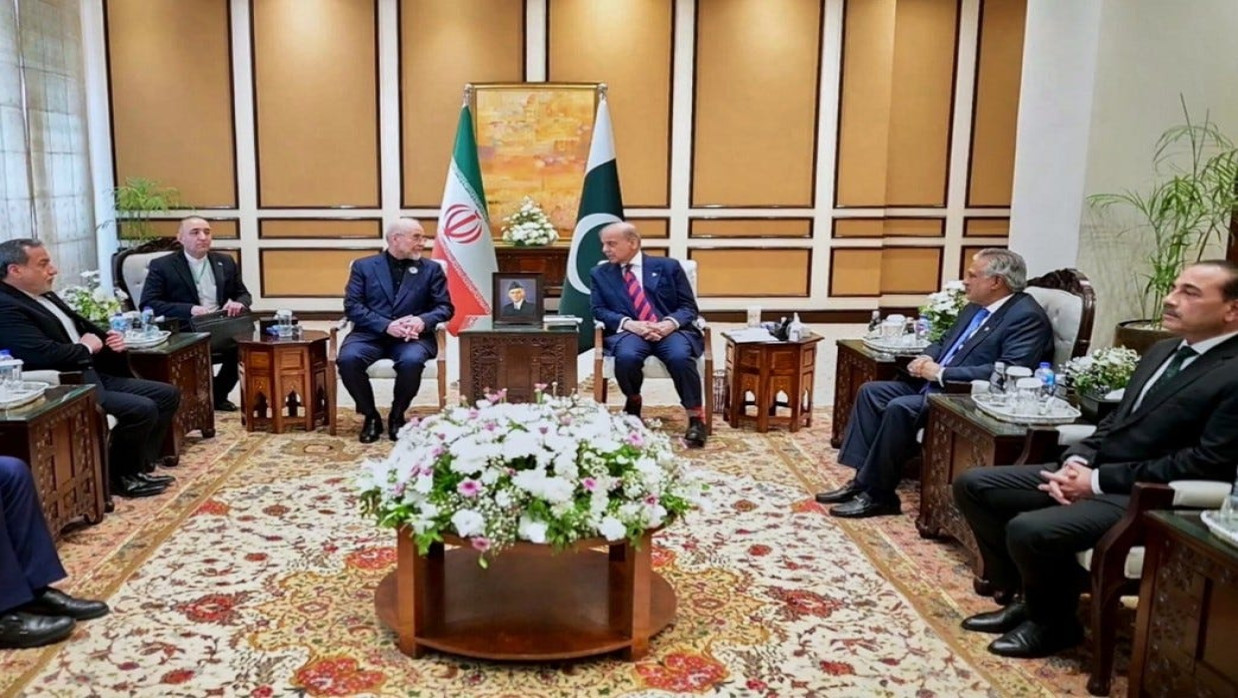
The new 14-point proposal floated by Iran, which is now reportedly under consideration by Donald Trump, does not read like a standard ceasefire proposal, but rather like the kind of strategy that Tehran can use to renegotiate the terms of engagement between Tehran and Washington. The proposal, according to Al Jazeera and reports cited on Iranian and US-linked sites, is sweeping, time-bound, and, arguably most importantly, ambitious in a way that makes both a breakthrough and a breakdown equally plausible.
Fundamentally, the plan of Iran opposes the American preference of a temporary suspension of the hostilities. Although the previous 9-point framework by Washington was reportedly seeking a two-month ceasefire, Tehran is demanding something much more decisive: a full-scale end to the war within 30 days. That in itself is an indication of a fundamental difference in approach. The US seems to be thinking tactically--de-escalate now, negotiate later, where Iran is attempting to compress the entire conflict-resolution process into one, high stakes diplomatic window.
This sense of urgency is not by chance. The proposal by Iran packages together several old time grievances into one package: guarantees against future attacks, withdrawal of US forces on its periphery, the unfreezing of Iranian financial assets, and the lifting of sanctions. These are no trifling concessions--they cut to the very core of the US regional policy in the last ten years. This bundling of them together is effectively conveying the message by Tehran that peace can only be achieved when the structural pressures that have been put upon Iran are removed.
The demand of a new mechanism that will regulate the Strait of Hormuz is perhaps the most geopolitically sensitive factor. This is one of the most strategic chokepoints in the world and any interference in this chokepoint has a direct effect on the whole world. The insistence of Iran on the need to renegotiate the manner in which the strait is controlled, coupled with the demands to end what it terms a US naval blockade is an indication that it wants not only to gain security, but also to see its regional authority recognized. That will not be a pleasant pill to swallow to the Washington and her allies.
The proposal is also not only limited to the borders of Iran. Incorporating a ceasefire in Lebanon, Tehran is tacitly connecting the war to its wider regional web of alliances and proxies. This greatly increases the range of negotiations. It is no longer a matter of US-Iran tensions; it is a multi-theater de-escalation operation that involves actors that are not fully controlled by Washington.
Next is the sequencing. Reporting on Axios indicates that Iran is offering a deadline of one month to strike a deal on reopening the Strait of Hormuz and ending the war, after which it would offer another month of negotiations on its nuclear program. This is a significant change. Historically, the nuclear ambitions of Iran have been discussed as a precondition issue in Western foreign policy. Tehran is, however, trying to reverse that order: resolve the conflict first, then talk about nuclear limitations. It is a clever step, but a move that runs the risk of stumbling into some well-established red lines in the US and Europe.
Most importantly, the proposal contains war reparations demands - an aspect that might turn out to be particularly controversial. To the US, such terms would not only have financial consequences but also political consequences which could be interpreted as an acknowledgment of having done wrong. That is a compromise that not many administrations would easily concede especially in a polarized domestic environment.
So is it a solemn roadmap to peace or is it a maximalist wish list that is destined to fail? The solution probably falls in between. The proposal by Iran seems to be calculated to move the negotiating ground. In formulating a wide range of demands, Tehran might be seeking to bring eventual compromises nearer to its preferred results. In that regard, the plan does serve as a diplomatic negotiation offer, as well as a negotiating strategy.
Nevertheless, there are aspects that indicate that there is a purpose. The focus on the timelines, the introduction of the mechanisms that are similar to the verification and are aimed at providing the guarantees of the safety in the future, and the readiness to negotiate the nuclear file, even though later, indicate that Iran is not just bluffing. Here there is a framework, although it is so rigid at the moment that it cannot be readily accepted.
The dilemma is acute in the case of Washington. To turn down the suggestion wholesale is to run the risk of being thought to have no interest in a complete peace. Negotiate with it, but it might find itself bargaining on conditions which are more or less dictated by Tehran. Both ways are associated with strategic costs.
In the end, the 14-point plan of Iran poses an even greater question: what is meant by the term ending the war? Does it only involve the end of direct hostilities or is it also about ending the greater architecture of sanctions, military presence and regional rivalry which has perpetuated the conflict? It is evident that Iran is making the case of the latter. It would be seen whether the US- and its allies- are ready to consider that vision.


0 Comments
LEAVE A COMMENT
Your email address will not be published