

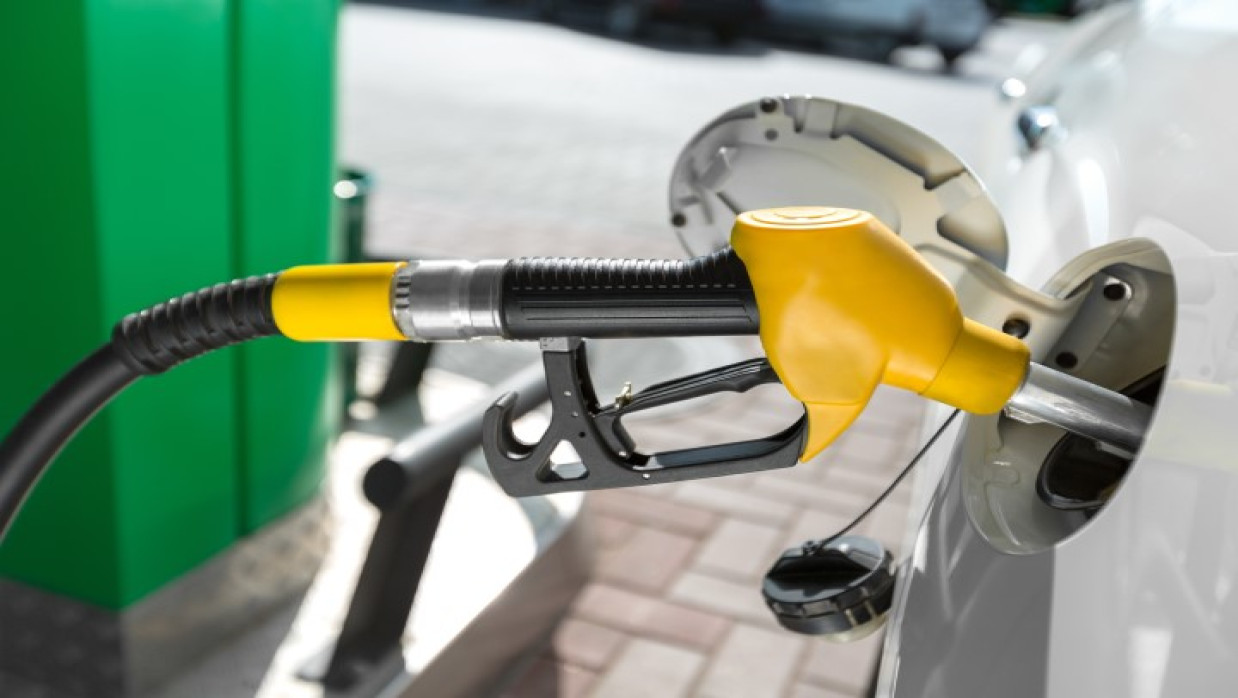
Bangladesh’s point-to-point inflation rose to 9.04% in April 2026 from 8.71% in March, driven by higher prices for food, housing, and transport. According to the Bangladesh Bureau of Statistics (BBS), the increase was mainly due to rising global energy costs, which pushed up imported fuel prices. Inflation in food and non-alcoholic beverages reached 8.39%, housing and utilities rose to 8.92%, and transport increased to 9.31% from 7.47% in March.
BBS data showed that inflation in Bangladesh eased to 8.71% in March 2026, down from 9.13% in February, despite severe fuel shortages that affected the prices of food and other essential goods. Food inflation also fell, dropping to 8.24% in March from 9.30% the previous month. This decline in the Consumer Price Index (CPI) came at a time when inflation was rising in most advanced economies like the United States, prices increased by 0.9% on a seasonally adjusted basis from February to March 2026, while annual inflation reached 3.3%, up from 2.4% in February. In the United Kingdom, inflation rose to 3.3% in March as higher fuel prices linked to the Middle East crisis pushed up supply costs.
Despite the monthly increase, inflation in April 2026 remained slightly below the 9.17% recorded in April 2025. BBS data, like most government statistics, are often seen as questionable and may not fully reflect conditions on the ground. This perception is reinforced by the worsening living conditions of Bangladesh’s workers and the rural and urban poor.
Although rising global energy prices and supply disruptions have contributed to domestic inflation, governance failures have also played a major role, particularly the failure to curb market cartels that manipulate the supply and prices of essential goods. By creating artificial shortages and fixing prices, these groups often cause sudden increases in the cost of living. Additional costs also stem from protection rackets linked to whichever political party is in power. Together, these factors have pushed up the prices of essential goods and services.
Bangladesh’s food outlook for 2026 is under pressure from high fertiliser prices, climate-related production challenges, and rising grain import needs, especially for wheat. The country also faces long-term food security risks driven by rapid population growth, shrinking arable land, and climate-related disasters such as floods and salinity, compounded by the current global energy and fertiliser crisis.
According to 2026 reports from the World Bank and IMF, although agricultural production in Bangladesh is stabilising, high food prices and climate vulnerability continue to threaten food security for low-income households. According to the World Food Program (WFP) roughly 15–16 million people in Bangladesh face high levels of acute hunger, placing Bangladesh among the top 10 countries with the most severe food crises.
Bangladesh is now facing a severe fuel supply crisis and increased import costs due to Trump’s war on Iran forcing the government to seek alternative sources to ensure energy security and support agriculture. It is estimated that $2.61 billion in extra foreign exchange is required by June 2026 for surging fuel and fertilizer imports. Bangladesh imports 80-90% of its refined fuel, amounting to over 6 million tonnes of petroleum products per year. About 23% of fuel imports pass through the Strait of Hormuz, where war-related disruptions have caused shipment delays. Elevated dependence on imported fossil fuels has boosted electricity generation costs by 83% over the past five years. The diesel crunch for irrigation poses a 20-30% reduction risk to rice yields.
Bangladesh is a major global fertilizer importer, importing roughly $2.04 billion in 2024 (9th largest globally) and requiring about 7 million tons annually, with domestic production covering only about 1 million ton. Farmers in Bangladesh, like their counterparts across the world, are confronting soaring fuel and fertilizer costs that threaten to slash agricultural production and deepen the food security crisis affecting millions.
Rising fuel and fertiliser import costs are putting heavy pressure on Bangladesh’s foreign exchange reserves. To secure fuel and LNG imports, the country is seeking more than $2 billion in urgent external financing from lenders such as the IMF and ADB amid an energy crisis worsened by Trump’s war on Iran. The package is expected to include $1.3 billion from the IMF and about $250 million to $500 million in additional funding from the ADB.
The Bangladesh Government is significantly dependent on migrant workers’ remittances as merchandise exports have slowed due to weak global demand. Around 15 million citizens live and work abroad, with significant concentrations in the Middle East. $32.8 billion was remitted in 2025, a 22% increase from 2024, aided by increased use of formal banking channels. Expatriate income is a crucial, high-volume source of foreign exchange. Remittances act as a major pillar alongside exports to bolster foreign exchange reserves.
Although remittances have not yet been severely affected, there is growing concern that a wider war with Iran could cause job losses and major disruptions. Bangladesh’s heavy reliance on expatriate income also highlights deeper structural weaknesses in the economy. Since independence, these weaknesses have been rooted in a state-controlled system that has shaped the market through so-called economic planning, largely directed by the bureaucracy.
This state-led model of managing the market and directing development is also weakened by Bangladesh’s political patronage system, which rewards personal loyalty over merit and leads to corruption and inefficient use of resources. In this clientelist system, benefits are distributed to supporters, undermining long-term development goals.
Overall, the state managed market system failed to build either a competitive manufacturing base or a strong agricultural sector, leaving the country dependent on exporting poorly protected labour, including women employed as domestic workers, mostly to medieval Gulf monarchies.
The latest World Bank Bangladesh Development Update projects growth to slow to 3.9% in FY26, though this forecast may prove too optimistic. ADB President Masato Kanda warned that the region is facing a “deepening crisis,” saying, “We are confronting systemic, long-lasting disruption to global energy and trade networks, not just temporary volatility.”
In its Update the World Bank has further added that a protracted conflict in the Middle East could have significant implications for Bangladesh, including higher inflation, reduced fiscal space from rising energy subsidies, and a weaker current account due to higher import costs, weaker exports, and lower remittances. With thin foreign exchange buffers, tight fiscal and monetary conditions, and a fragile banking sector, Bangladesh has limited capacity to absorb a prolonged shock and to mitigate its impact on its people, notably the most vulnerable.
In the first half of the 2025-26 fiscal year (July–December 2025), Bangladesh's food grain imports surged by 42% compared to the same period the previous year and the data shows substantial increases in imported volumes, particularly wheat, which was 84% of food grain imports. In 2024, Bangladesh imported $2.26 billion in foodstuffs.
Now with the Strait of Hormuz which handles about 30% of globally traded fertiliser closed, poses a very significant challenge for Bangladesh. Shortages and rising fertiliser prices could lead to reduced usage causing lower crop yields. Already global food prices are showing a rising trend, especially for basic staples like wheat, rice and vegetable oil and this will pose very a serious challenge for a food importing country like Bangladesh.
The closure of the Strait of Hormuz has created an energy crisis, escalating transportation costs and feeding into high cost-push inflation. Poor households, which spend a large portion of their income on food are hit hardest underscoring the sharp erosion of living standards.
As of 2026, the taxation system in Bangladesh is characterized by a reliance on indirect taxes, weak administrative capacity, and high levels of exemption. Bangladesh’s tax-to-GDP ratio was only 6.7% in FY25, less than half of the 15% widely considered the minimum needed to meet essential development needs. The country’s tax system is complex and distortionary, with multiple rates and large, regressive exemptions on consumption (VAT) and income taxes. Its heavy reliance on trade-related taxes also discourages trade, a key driver of economic growth. High tariffs and supplementary duties further create an anti-export bias, helping keep Bangladesh’s tax-to-GDP ratio among the lowest.
In the 2026–27 budget, Bangladesh aims to raise its tax-to-GDP ratio to 8%. To cut the budget deficit and increase revenue, the government is likely to raise tax rates, widen the tax base, and rely more on indirect taxes, including higher VAT on staple foods such as rice, wheat, potatoes, and lentils, alongside changes to direct taxes. However, heavier reliance on indirect taxes would place an even greater burden on an already impoverished population.
While Bangladesh has achieved reductions in poverty, with extreme poverty dropping to 5.6% and moderate poverty to 18.7% by 2022, yet roughly one-third of the population (about 62 million people) remains vulnerable to falling back into poverty due to economic shocks or natural disasters. Recent reports indicate an economic slowdown has raised extreme poverty to approximately 9.3% by 2025. Growth has become less inclusive, with income benefits favouring wealthier families, and the pace of poverty reduction slowing down post-2016.
The Iran war is severely affecting people in Bangladesh by driving up food and fuel prices and pushing more households into poverty. Higher oil prices have raised transport and production costs, while fertiliser shortages threaten crop yields and rural livelihoods. The crisis is also hurting the labour market, with low-skilled and informal workers losing income. Energy shortages have led to industrial shutdowns and job losses, and conflict in the Gulf could further reduce remittance inflows, a vital source of support for many low-income Bangladeshi families.


0 Comments
LEAVE A COMMENT
Your email address will not be published