

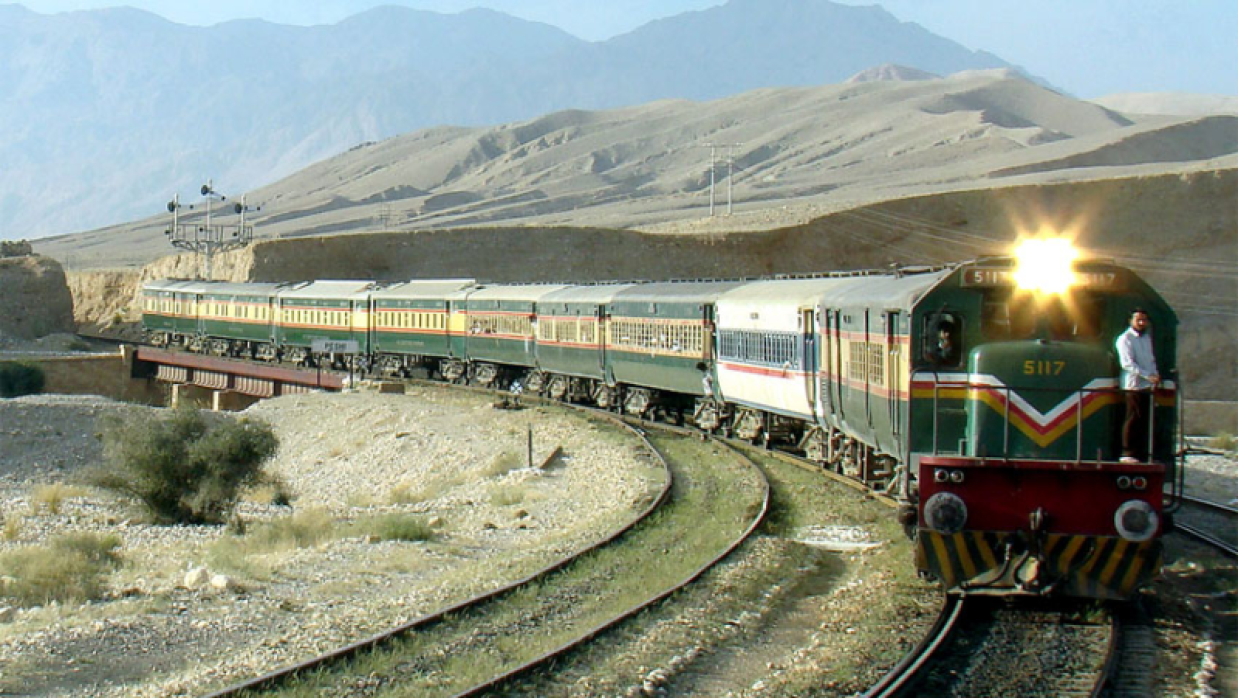
That terrorist attack on the Quetta shuttle train near Pishin Stop and Chaman Phatak is not simply an assault on a railway line, or on a moving train it’s really an attack on everyday life, public trust, and the basic right of ordinary citizens to get where they need to go calmly. A passenger train, is like one of the softest and most symbolic civilian targets, period. It brings workers, students, women, children, elderly folks, and whole families with no part in any conflict, no power of their own to defend themselves. To hit such a train is not proof of power, it shows moral collapse. Basically, it is the kind of act by people who can’t confront Pakistan’s security forces straight on, so they pick a more cowardly route, by aiming at the vulnerable.
This attack gets even more painful, because a lot of passengers were reportedly on the way, to spend Eid with their own families. Like at the moment when homes are supposed to be getting ready for reunion, prayer, and celebration terrorists tried to turn a trip meant for joy into a scene of fear and grief. That kind of violence really lays bare the inhuman mindset of the people behind it. No political slogan, no foreign agenda, and no made-up grievance can ever justify putting innocent lives in danger. Terrorism against civilians is never resistance; it is plain brutality.
The pattern feels familiar. Whenever Pakistan moves ahead diplomatically, strategically, or economically, hostile networks tend to get desperate and try to break the country’s stability. Balochistan, with its strategic location, natural resources, and untapped development promise, has been a long-term target for forces that do not want the province to grow. The purpose seems straight forward: plant fear, wreck infrastructure, create mistrust between citizens and the state, and try to sell Pakistan as unstable in front of the whole world. Still, these attacks don’t actually prove anything about the attacker’s strength. If anything, they highlight only their frustration.
People, the ones described by many Pakistanis as Fitna al-Hindustan, and the folks who support them, have to realize that going after civilians won’t actually weaken Pakistan’s resolve. It’ll do the opposite, it will just make public anger against terrorism grow, and it will harden the national consensus that any violence funded from abroad has to be defeated. The enemies of peace might think, or assume, that bomb blasts can split society, but they seem to underestimate how tough and stubborn the people of Balochistan and Pakistan really are. The citizens of Quetta have already lived through violence before, still they keep on living, working, praying, commuting, trading and rebuilding. That kind of resilience is, honestly, stronger than terror itself.
Public infrastructure is made for shared gain, not for some selective harm. Trains link cities, families, markets, and chances in life. If you attack a train, you’re not just hitting a rail line, you’re attacking mobility, livelihoods, and national integration, in a very direct way. And it’s also an attack on the poorest, the most everyday citizens, because public transport gets used most by those who cannot pay for private security, or luxury travel. Any group that claims it represents ordinary people, while it attacks their transport, roads, shops, schools, or even their homes is basically showing it’s against the people it says it speaks for.
These attacks are also, against Baloch traditions and values. Baloch culture is rooted in hospitality, courage, dignity and in protecting guests plus non-combatants. Targeting unarmed passengers, women, children, eldersis not “bravery” by any cultural moral , or religious standard. It’s shameful terrorism, really.
And those who do such things supposedly under foreign influence are not defenders of Balochistan. They are, enemies of Balochistan’s peace, development and what comes next, the future.
The reported damage to nearby vehicles and buildings just reinforces how indiscriminate this violence is. Terrorists do not weigh human suffering they weigh attention, like headlines. Their aim is psychological warfare. They want people to feel unsafe in markets, stations, roads and trains. They want parents to fear letting their children go out. They want investors, and even visitors, to hesitate. They want the normal daily rhythm of life to break, or at least slow down.
Pakistan must respond to this plan not only through security operations. It also needs public unity, better protection for transport networks, tighter intelligence coordination, and continued development across Balochistan.
The international community should really look at such incidents with seriousness. Terrorism does not come out of nowhere; it never does in isolation. When violent groups get ideological, financial, logistical or propaganda support from outside, the consequences get paid by ordinary, innocent civilians. Pakistan has repeatedly faced externally enabled militancy, and the world must not pretend it doesn’t see what that costs. The condemnation also should not be selective, either. A civilian who is attacked in Quetta deserves the same moral concern as a civilian attacked elsewhere, without hesitation.
At the same time Pakistan has to keep building a stronger bond between the state and the people of Balochistan. Security is essential but lasting peace also means justice, opportunity, education, jobs, infrastructure, and real political inclusion. Terrorist groups tend to flourish where they can weaponize frustration, and turn grievances into something darker. The best response to foreign-sponsored violence is a Balochistan that is secure, prosperous, and fully connected, so that young people can see their future in progress, not in conflict.
That Quetta shuttle train attack is like a reminder, that Pakistan’s enemies are still around, still desperate and ruthless, you know. Yet at the same time it shows how their whole approach is morally bankrupt. They hit passengers because they cannot win against a nation. They go for families because they can’t stop Pakistan’s rise. their violence brings pain, but it just cannot manufacture legitimacy. So Pakistan has to answer with firmness, with unity, and with clear words: terrorism aimed at civilians will never be accepted, never be excused and never be allowed to throw the country off track from its march toward peace and stability.

0 Comments
LEAVE A COMMENT
Your email address will not be published