

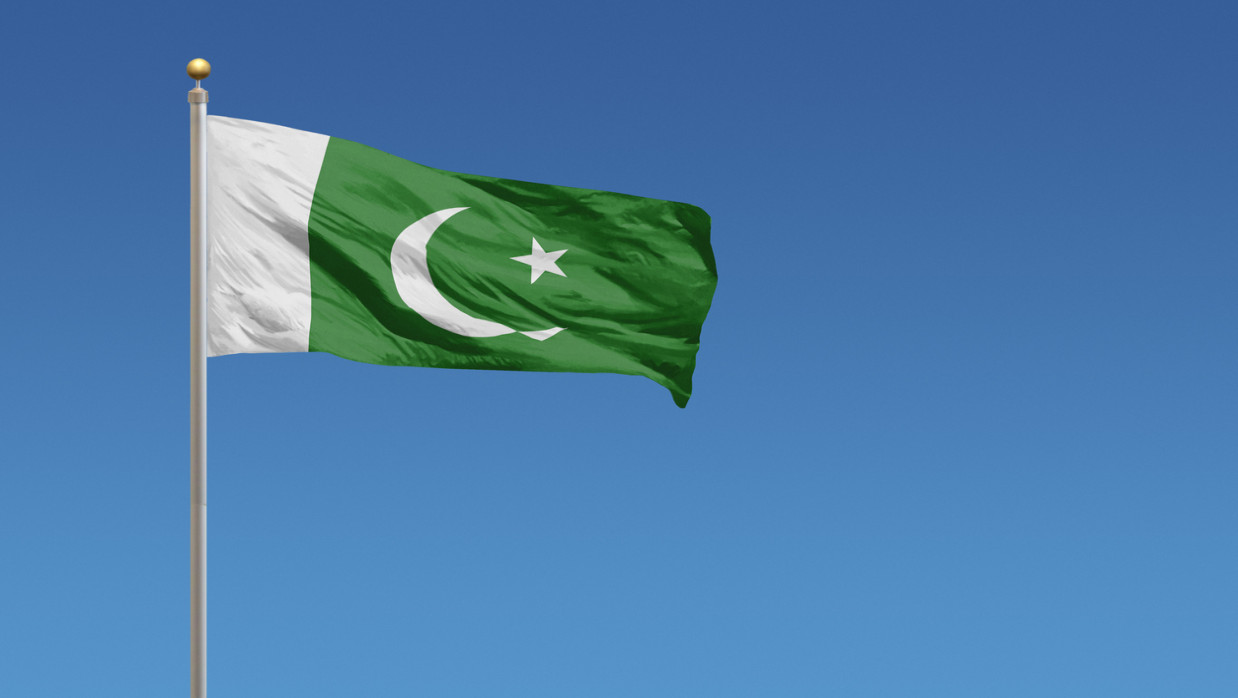
The global situation has become more unstable because current world events treat moments of de-escalation as vital points which affect both regional stability and worldwide economic activity. The recent diplomatic breakthrough which Pakistan achieved to reduce United States-Iran tensions stands as an important and exceptional achievement. The situation has resulted in two outcomes which include stopping potential battle conflicts from starting in a vital area and creating worldwide financial market shifts which affect energy costs and investor behavior.
The Strait of Hormuz serves as the central point of this situation because it functions as a vital maritime route which delivers more than half of the global oil supply. The world market experiences major disturbances whenever tensions in this corridor increase because it leads to higher oil prices and makes economic predictions less certain. Pakistan has reduced supply disruption fears by promoting dialogue and restraint between its two adversarial nations. The situation resulted in oil prices dropping sharply which provided energy-importing countries with relief from inflation problems.
The financial markets showed immediate and enthusiastic reactions to news about Wall Street Asian exchanges which showed that investors saw decreased geopolitical dangers from the de-escalation of conflicts. Markets demonstrate strong reactions to unpredictable situations which especially occurs during times of possible military conflict in regions that contain valuable energy resources. Investors regain trust while risk premiums decrease because market tensions resolve with their subsequent capital investments into equity markets. The stock market pattern showed clear evidence of rising stock prices which extended throughout the market because investors became optimistic about worldwide economic progress.
The Pakistan Stock Exchange served as the main location for people to show their positive feelings about the future. The KSE-100 Index reached a record high after the trading session opened because it gained more than 12000 points. The stock market changed rapidly because of this exception which proves that investors showed total confidence after the diplomatic achievement. The international community received a single message from Pakistan which showed that the country actively participates in worldwide matters while possessing the power to shape important global results.
The increase in support for the cause originated from two main factors which included both patriotic feelings and brief investment activities. The study showed that people had changed their view of Pakistan because they believed its economic situation and international relationships had been redefined. Islamabad established its diplomatic capacity to maintain relations with Washington and Tehran which are two opposing capitals. The two groups needed to maintain their operational relationship through their governmental systems. The two groups needed to maintain their operational relationship with 24-hour communication between their civilian leaders and military commanders.
The implications extend beyond immediate market gains. Investors base their confidence on their assessment of three factors which include the stability and governance and international importance of their investments. When a country is seen as a mediator capable of reducing global tensions, it enhances its attractiveness as an investment destination. The decrease in geopolitical risks leads to cheaper borrowing rates which attract more foreign investors while making the local currency more stable. The Pakistan Stock Exchange rally functions as a preliminary sign which shows that the economy will experience long-term advantages.
The relationship between worldwide market patterns and Pakistan's internal economic performance demonstrates how contemporary financial systems operate through their interconnectedness. As tensions eased, market volatility decreased while investors who had previously decided to stay out of markets began to invest in stocks. Pakistan established itself as the main force for de-escalation which resulted in the country gaining advantages from the subsequent transformation. The stock market surge represented both global market forces and the rewards from Pakistan's diplomatic efforts.
Pakistan's main challenge will be to maintain its current progress. The first step toward diplomatic achievement requires a successful diplomatic process. The mediator role transforms into peace architect work which demands ongoing involvement and skills to manage important political situations. The success of follow-up discussions depends on our ability to sustain confidence among all parties, which will help transform the existing ceasefire into a stable peace agreement.
The current situation provides a chance to create greater economic benefits through its existing economic potential. The combination of better regulatory frameworks and improved business operations and consistent policy implementation will transform current market excitement into permanent investment activities. The diplomatic achievements of a nation establish trust which opens pathways to stronger economic ties and expanded access to international markets.
The world mostly faces conflict and uncertainty yet some people possess the exceptional skill to create dialogue while decreasing conflicts. The Pakistani government successfully established a ceasefire between two major global powers which prevented an impending international crisis while demonstrating how economic interests and diplomatic efforts can work together. The global market surge and decreased oil prices and unprecedented Pakistan Stock Exchange rally demonstrate the successful outcomes of strategic diplomatic relations which replaced confrontational methods.
This episode may well be remembered as a turning point not just for Pakistan’s international standing but for the broader recognition that constructive diplomacy can yield tangible economic dividends.


0 Comments
LEAVE A COMMENT
Your email address will not be published