

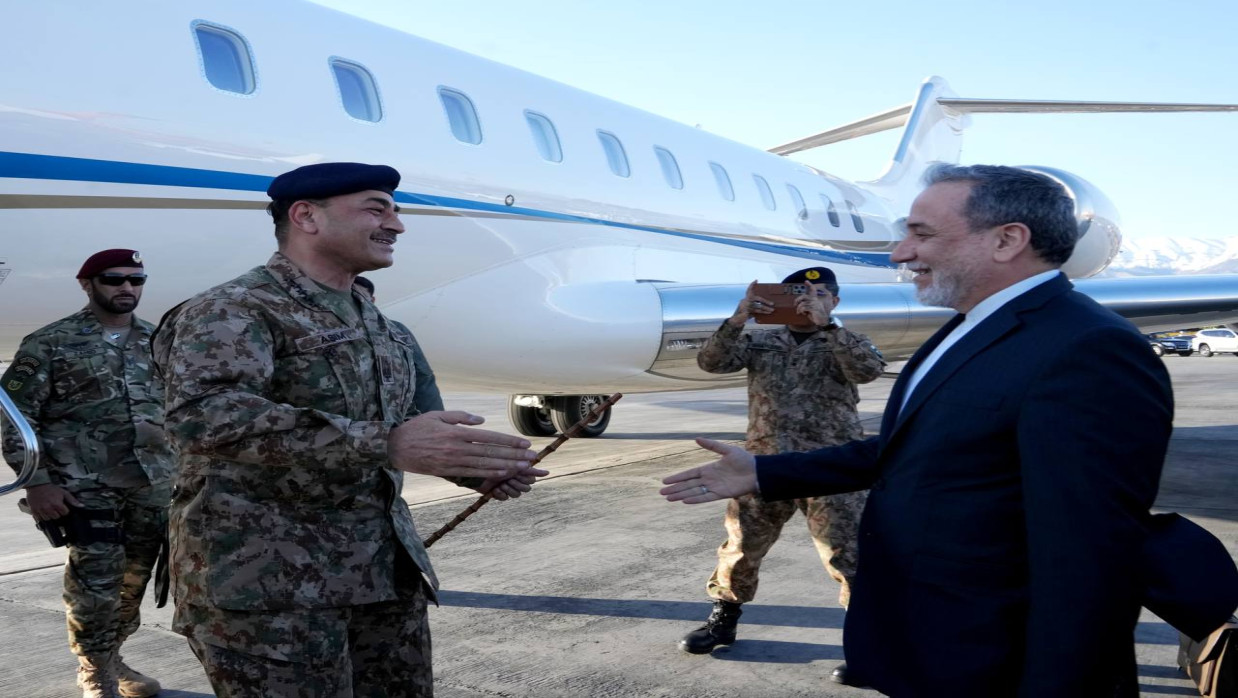
In a world that is divided politically to a large extent, the current talks between US and Iran in Islamabad have revealed a simple reality of international politics - no matter how precarious, dialogue always remains an important factor. Pakistan’s mediation in this regard is not simply an act of courtesy; rather, it represents an example of practical diplomacy.
To understand the role of Pakistan in this case, it is important that we first draw the line between diplomacy and mediation. Diplomacy in international affairs is defined as a series of actions undertaken through negotiations to manage conflict, protect national interests, and ensure international stability. According to international law, diplomacy is not only concerned with written contracts but also includes covert communications, confidence building, and forums where adversaries can negotiate without provoking hostility.
Mediation, however, is a form of peaceful conflict resolution procedure. According to the provisions of international law like the United Nations Charter, mediation entails an independent individual acting as an intermediary for the conflicting countries, suggesting potential solutions and resolving conflicts without dictating any decision.
These characteristics find clear representation in Pakistan's role here. In diplomatic terms, Pakistan established the space that was required for the interaction. It facilitated communication between the two nations that have had a long-standing rivalry. This is an example of how diplomacy works in practice, easing relations between hostile countries, and ensuring their improvement, rather than their degradation. Meanwhile, Pakistan fulfilled the role of a mediator as well, passing on suggestions, bridging the gap between the countries, and continuing to communicate despite mutual distrust. It did not impose any terms or outcomes, following the classic definition of mediation.
However, one should also pay attention to the shortcomings and weaknesses associated with mediation, as the case shows. First of all, it becomes obvious that even an effective mediator cannot succeed if there is a lack of preconditions. One of the primary reasons for the lack of success of the negotiations lies in the mistrust that exists between the United States and Iran due to years of confrontation. Secondly, the goals pursued by each side are also mutually exclusive.
The nuclear question stands out as the key axis of dispute. In the context of international law, which encompasses the IAEA safeguard regime and the larger non-proliferation regime, the debate involves questions of compliance, verification, and thresholds of enrichment. Uranium enrichment levels, breakout time, and verification procedures are more than technical terms. They are symbolic of the fundamental issue of strategic mistrust. From America’s perspective, the problem has been about preventing a potential for nuclear weapons development. From Iran’s standpoint, the matter pertains to its legal right to pursue peaceful nuclear energy under the NPT.
Against this background, it needs to be recognized that Pakistan played its role correctly. It successfully managed to mediate between two parties, bringing their representatives to the table and keeping negotiations going despite unfavorable conditions. What it did not accomplish was what no mediator could have accomplished: forcing the will of one sovereign state upon another concerning matters that were considered of existential significance to both.
Thus, the talks between Islamabad cannot be viewed as a failure, but they should be recognized as an example of diplomacy at its best. It is true that agreement may not occur all the time, but merely preventing the escalation and maintaining the dialogue is already a remarkable feat.
The presence of Pakistan itself is an indication of how it has come into its own as a legitimate mediator in world affairs. Most importantly, however, it shows one of the basic tenets of international relations; despite their deep differences, there is no alternative to diplomacy.


0 Comments
LEAVE A COMMENT
Your email address will not be published