

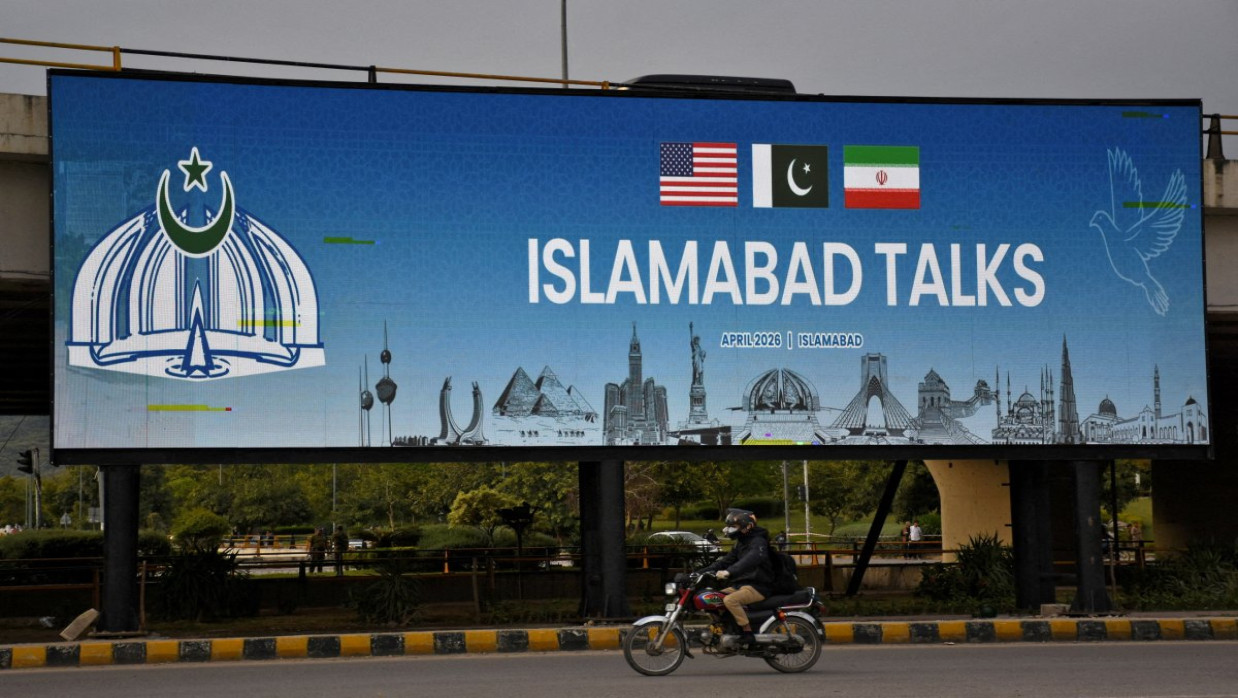
The two-week ceasefire declared by the US and Iran, officially unveiled on Tuesday, may prove short-lived and unstable. However, even within these couple of weeks, it has already impacted US-Iran relations, geopolitics, and the global economy in many ways. Pakistan's pivotal role in mediating the deal between the two countries is one of its biggest outcomes.
Pakistan's Surprising Diplomatic Role
Pakistan's brokering of the ceasefire came as something of a shock to some, who don't necessarily think of Islamabad as playing a strong diplomatic role in large-scale international affairs. However, when you step back and consider Pakistan's proximity to the conflict and its diplomatic relations with both sides, you can see why it was in a position to do this. Pakistan not only has functional ties with Iran and Saudi Arabia but with China, Turkey, and the Gulf as well. With ties to both sides of this rivalry, Pakistan relayed messages between the parties.
Pakistan also had strong incentives to get involved within its own borders. An extended war with Iran would cause instability along their shared border as well as an influx of refugees. Pakistan is reliant on the Middle East for its energy needs, and there are also millions of Pakistani workers in the Gulf States who Islamabad would want to ensure remain safe. Pakistan would also want to avoid getting pulled into a conflict with Iran because of its defensive pact with Saudi Arabia, further damaging ties with India and Afghanistan.
Army Chief General Asim Munir was said to take the lead on Pakistan's backchannel negotiations with the US and other stakeholders. Pakistan had the unique ability to speak to the White House because of its strong relationship with it over the last year.
China's Quiet but Crucial Support
In parallel to Islamabad's facilitation from outside, China played a crucial role behind the scenes. Iran was brought on board mainly through Beijing's push for its five-point peace proposal. Thus, China and Pakistan are now acting in harmony on conflict management in this region. This deal also demonstrates China's growing prominence as a peace broker in West Asia.
This development also marks a shift in international diplomacy, in which Middle Eastern conflicts are no longer resolved between just two superpowers. An increasing number of arrangements with multiple power centers now determine the course of action. China's involvement in brokering this ceasefire deal is a testament to that.
Economic Relief for a Vulnerable South Asia
As Islamabad did so simultaneously from outside the negotiations, China did its homework behind the scenes as well. Iran's participation was ensured primarily through Beijing's pitch of its five-point peace proposal. Pakistan and China are now walking shoulder-to-shoulder diplomatically when it comes to conflict resolution in Afghanistan. This agreement is another example showcasing China's emerging role as a peace negotiator in West Asia.
This development also signals a change in the international diplomatic landscape, in which settlements to end conflicts in the Middle East are no longer made solely by the two superpowers. There are gradually rising agreements involving multiple power players that chart the way forward. China's brokering of this ceasefire agreement is proof of that.
Humanitarian and Public Health Implications
The ceasefire also has humanitarian significance. Power shortages affect health outcomes, especially during heat waves, when electricity demand is high. Limited electricity means less access to cool storage, food delivery services, and hospitals.
If conflict had resumed, heat-related illnesses would have surged as electricity shortages hurt health care provision and likely caused deaths. By preventing further conflict, the ceasefire benefits the health of millions.
Fragility and the Limits of Temporary Peace
Ceasefire, though it may be, things remain extremely delicate. Mistrust between Washington and Tehran will continue to influence decision-making on both sides, and without an eventual political resolution to guide diplomacy, conflict could flare up with little warning. Pakistan has invited both parties to talks in Islamabad to discuss the matter further, hoping to turn battlespace de-escalation into a longer-term diplomatic process. The conditions for such, however, are by no means clear-cut. Maintaining the ceasefire will likely require ongoing communication among all parties involved, including China, the Gulf states, Turkey, and Egypt. It will require both sides to believe they have something to gain by holding fire. Until we see a move toward formalized negotiation, we risk this deal becoming nothing more than a pause between escalations.
A Moment of Diplomatic Opportunity
Most of all, however, this ceasefire is important for Pakistan because it offers international acknowledgment. Pakistan made efforts to talk the enemies into it, taking matters into its own hands when the world at large had begun writing it off as irrelevant for conflict management. Islamabad can now legitimately ask for more significant mediation responsibilities down the road.
On a larger scale, it shows that middle powers can shape major geopolitical events when they have skin in the game and partners to work with. It will not resolve the US-Iranian conflict of interests. Still, it buys time for diplomacy, eases economic burdens across South Asia, and underscores the critical need for regional cooperation to prevent war.

0 Comments
LEAVE A COMMENT
Your email address will not be published