

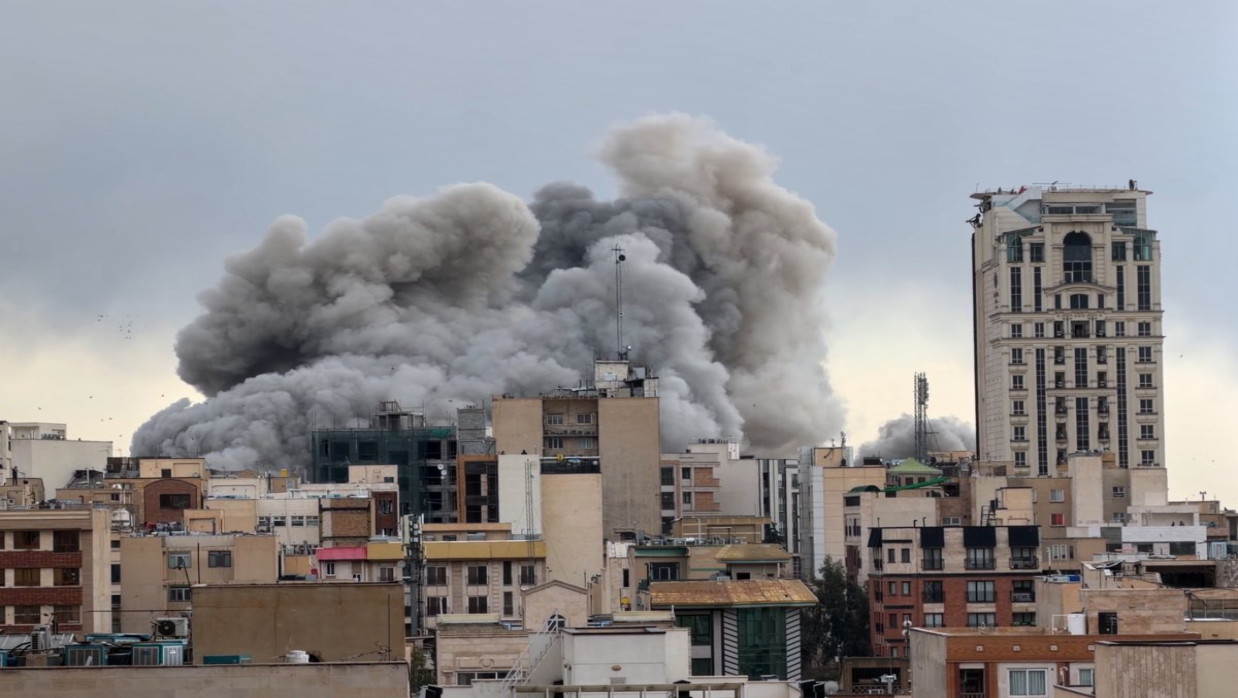
The growing demands for Iran's total destruction show how people react emotionally to the unstable conditions that already exist in the region. The powerful language in this argument proves to be weak because it lacks any effective military value. Slogans and extreme demands do not win wars because military conflicts end when specific political objectives have been met. Total destruction demands do not provide an answer to the fundamental question which all serious military planners must answer: what happens after this point?
The supporters of escalation fail to provide any valid plan for achieving their proposed end results. The examination of Iranian regime goals requires determining who will assume control over a divided country that has 90 million inhabitants and 90 million inhabitants. Recent history teaches important lessons that must be understood. The Iraq War demonstrated that removing a regime without a viable political transition plan leads not to stability, but to prolonged chaos, the rise of militias, and decades of institutional breakdown. The internal dynamics of Iran together with its land area and population will make it impossible for Iran to develop along a different path. The situation might actually result in much greater negative effects.
Some proponents of escalation implicitly or explicitly flirt with the idea of overwhelming force, even hinting at nuclear outcomes. This raises serious concerns. The Gulf states together with most regional actors lack nuclear weapons which means that any military conflict between them must include international military forces. The use of nuclear weapons would create worldwide destruction while destroying established global security practices which would lead to unpredictable international reactions and lasting effects on international relations. It is difficult to imagine how those perceived as encouraging such an outcome would be judged by the broader international community, including within the Muslim world.
The available options face their own challenges which exist as dangerous threats to the current situation. Regional powers cannot pursue a ground invasion to attack Iran because they lack the necessary resources and capabilities. The United States military needs to provide substantial forces because the operation would need to cover an area which includes a territory that extends over 1.6 million square kilometers. This would create permanent military bases in West Asian territory which would lead to repeated foreign military interventions that historically caused more chaos than stability.
The situation creates a military deadlock which leads to an extended conventional combat operation that consists of repeated missile attacks and drone missions along with counterattacks that focus on urban areas and vital ports and essential infrastructure. The Gulf states which support military escalation will become direct participants in the upcoming conflict according to their country policies. Iran keeps its ability to launch attacks against its enemies which will focus on important economic and military locations throughout the Middle East. The public will experience continuous security threats which will disrupt energy operations and commercial activities at urban centers and energy facilities and trade hubs.
The economic systems of specific countries depend on maintaining stable international partnerships which connect their markets to global trade networks. The ongoing conflict will create disruptions which will impact airlines and tourism and financial markets and logistics systems. The shipping industry will face increased insurance expenses because major disruptions at essential maritime chokepoints will create substantial worldwide impacts. The Strait of Hormuz serves as a critical passageway which transports a large percentage of global energy resources but currently faces heightened security risks. Any interference—whether through mining, harassment of tankers, or heightened military presence—could trigger spikes in global oil prices which would disrupt supply chains and send shockwaves through international markets.
The economic impact of a prolonged war will create more financial problems for countries while it leads to fundamental changes in their social structures. The government plans to allocate resources toward military spending instead of using them for development projects. The resulting instability will empower non-state actors who will create additional challenges for both governance and security. The region will enter a permanent state of military buildup and economic stagnation which will prevent its nations from achieving their plans to develop new industries and will undo the progress made over the past 50 years.
The historical record demonstrates that all wars reach their resolution through peace negotiations which occur after all conflicts regardless of their intensity or length. The military operations conducted between Vietnam and Afghanistan have failed to produce any political results that endure beyond their immediate period. The most dedicated enemies have reached a point where they must negotiate after their countries sustained substantial damage to both human life and economic resources. The process of denying existence to this truth will not eliminate it; the process will only extend until the truth which already exists reaches its destined outcome.
A war should end through an honorable and negotiated process which all parties involved view as their most suitable outcome. The process shows strategic development according to military strategic principles. The agreement allows each side to obtain restricted advantages while maintaining stability throughout the whole area. The proposed de-escalation framework provides a solution to essential requirements which all parties have through its security guarantees and maritime protection and non-interference principles. The proposed method will not immediately eliminate all existing conflicts but it will establish a framework which enables countries to build diplomatic relations through trust-building activities.
The fundamental choice facing the region is not one of victory versus defeat. The decision requires choosing between two opposing paths which lead to different outcomes. The first option provides a route which leads to stable conditions and economic sustainability and permanent security. The second option threatens to start a conflict which would last for generations and spread throughout the Middle East and involve major international powers and produce effects that extend beyond the Middle East.
Mediation attempts which try to decrease tensions and create dialogue between parties require both wise choices and essential implementation in this situation. The region's essential interests require three objectives which include preventing an expanded war and protecting vital trade routes and creating solutions which all parties will find acceptable. Escalation as a response to current needs will not bring lasting results because nations achieve their objectives through diplomatic efforts and careful long-term planning.


0 Comments
LEAVE A COMMENT
Your email address will not be published