

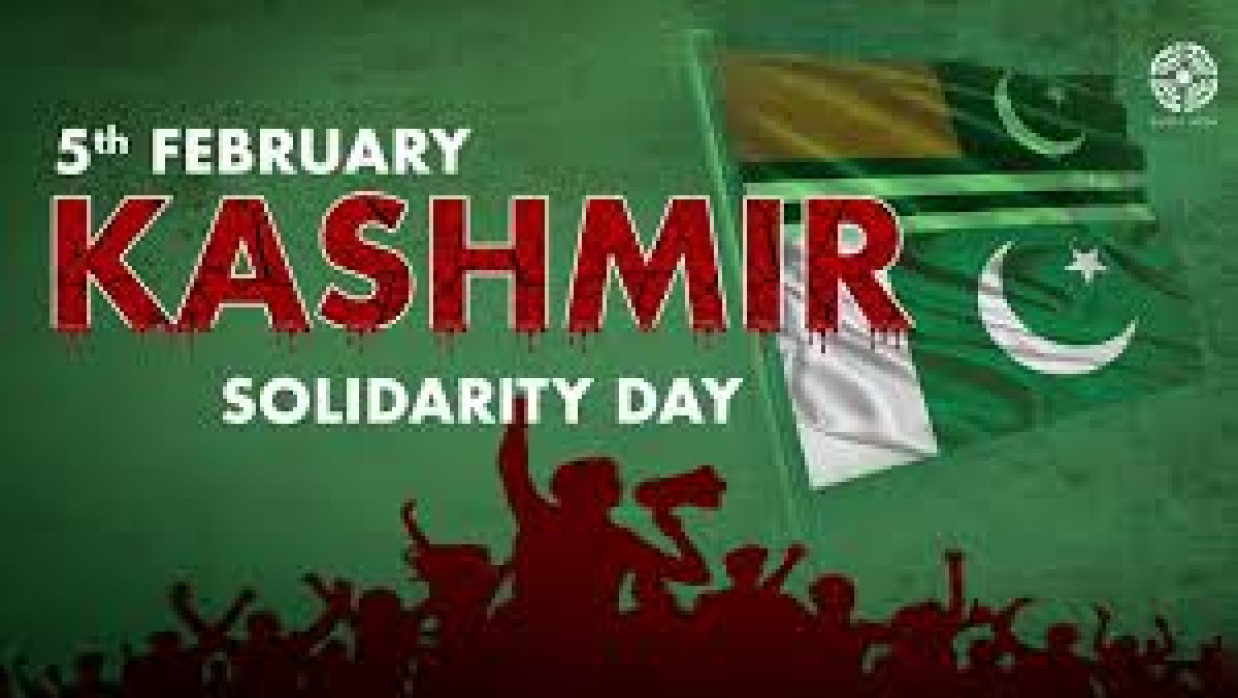
Pakistan has maintained its Kashmir Solidarity Day observance since 5 February 1968 by following a historic national policy which connects to established legal frameworks and shared national memory. The day serves as a reminder for Pakistanis and Kashmiris throughout the world about an ongoing conflict that has impacted South Asian political affairs since 1947 and continues to affect millions of people. The event features public gatherings and prayers and seminars and media programs and diplomatic efforts which all serve to confirm support for Kashmiri people's right to self-determination according to UN Charter and UN Security Council resolution.
The Kashmir issue exists as an essential part of Pakistan's unfinished Partition agenda according to Pakistan's view of the conflict. The Muslim-majority principality of Jammu and Kashmir which exists between Pakistan and Jammu and Kashmir should have followed the 1947 partition plan that demanded its accession to Pakistan. The entry of Indian forces on 27 October 1947 established a conflict which turned into an international dispute and resulted in UN resolutions that guaranteed a plebiscite. The commitment made more than seven decades ago remains unfulfilled because Pakistan maintains its diplomatic position that Kashmir represents an international dispute instead of an internal conflict.
Kashmiri supporters describe their freedom struggle as a direct continuation of the Pakistan Movement which draws inspiration from the political awakening that occurred during the 1940s. The dispute has changed from a territorial conflict into a matter that involves human rights issues. International and local rights organizations have reported widespread human rights violations throughout Indian Illegally Occupied Jammu and Kashmir (IIOJK) since the late 1980s and especially after 1989. The violations include extrajudicial killings and mass detentions and enforced disappearances and restrictions on civil liberties and the social effects of continuous military presence which create orphaned children and widowed families.
India claims that its current operations protect both regional security and stability while its constitutional and administrative reforms serve to achieve development and social integration goals. The Pakistani government together with Kashmiri representatives completely rejects these claims. Pakistan regards the August 2019 abrogation of Articles 370 and 35A as a decisive moment which changed the area's disputed territorial status through Pakistan's unilateral actions. Critics maintain that the Indian government implemented policies which included domicile law revisions and delimitation procedures and centralized governance to decrease Kashmiri political representation while increasing federal authority.
The Indian government has declared that IIOJK will return to its normal state since 2019. The Indian government presents election results and tourism expansion together with infrastructure development as evidence of a return to normal existence. The majority of Kashmiris together with independent observers challenge this description because they observe existing limitations and constant security force presence and restricted political freedom. The 2024 state assembly elections showed high voter turnout but demonstrated how structural limitations impede actual power distribution which remains with centrally designated administrators. The situation has created political confusion and frustration for some Kashmiris instead of providing them with empowerment.
The authorities raised their concerns regarding development and tourism projects which resulted in cultural and demographic transformations while they also accused the system of implementing policies that excluded local youth from employment opportunities through changes to job quotas and corrupt practices and drug trafficking.
Pakistan asserts that these actions serve the purpose of diminishing Kashmiri resistance through the establishment of extended military control. India counters these allegations by describing its policies as efforts to bring about administrative improvements.
The human toll from the Kashmir conflict remains unbroken despite the existence of two completely different storytelling approaches. The international community expressed its concerns through security operations which included communication blackouts and mass arrests that followed the Pahalgam security incident. Security forces have restricted journalist access together with civil society workers and regular people who operated between those two spaces.
Pakistan has maintained its position since 1947 to raise the Kashmir dispute at international organizations which include the United Nations. Islamabad considers recent developments, which include the UN General Assembly resolution about self-determination rights that received worldwide support, to validate its fundamental position. The Pakistani diplomatic missions use Kashmir Solidarity Day to educate foreign governments and media and civil society about developments in IIOJK while domestic media dedicates special coverage to keep public attention focused on the issue.
A balanced view demonstrates that South Asia needs dialogue together with restraint and human rights protection from all parties involved to achieve lasting peace. Pakistan provides moral and political and diplomatic support to Kashmiris while it recognizes that Kashmiri people must determine their own goals. The process of establishing a lasting solution requires both active participation and the restoration of civil rights and compliance with worldwide agreements.
Kashmir Solidarity Day exists as a special observance that goes beyond its ceremonial function. Pakistanis see it as their historical duty to support Kashmiris who still fight for their rights. The observance provides a chance to examine three things which include the expenses that come from extended warfare and the results of acting alone and the need for a peaceful solution which must include all parties and follow international law to permit the people of Jammu and Kashmir to choose their own path forward.

0 Comments
LEAVE A COMMENT
Your email address will not be published