

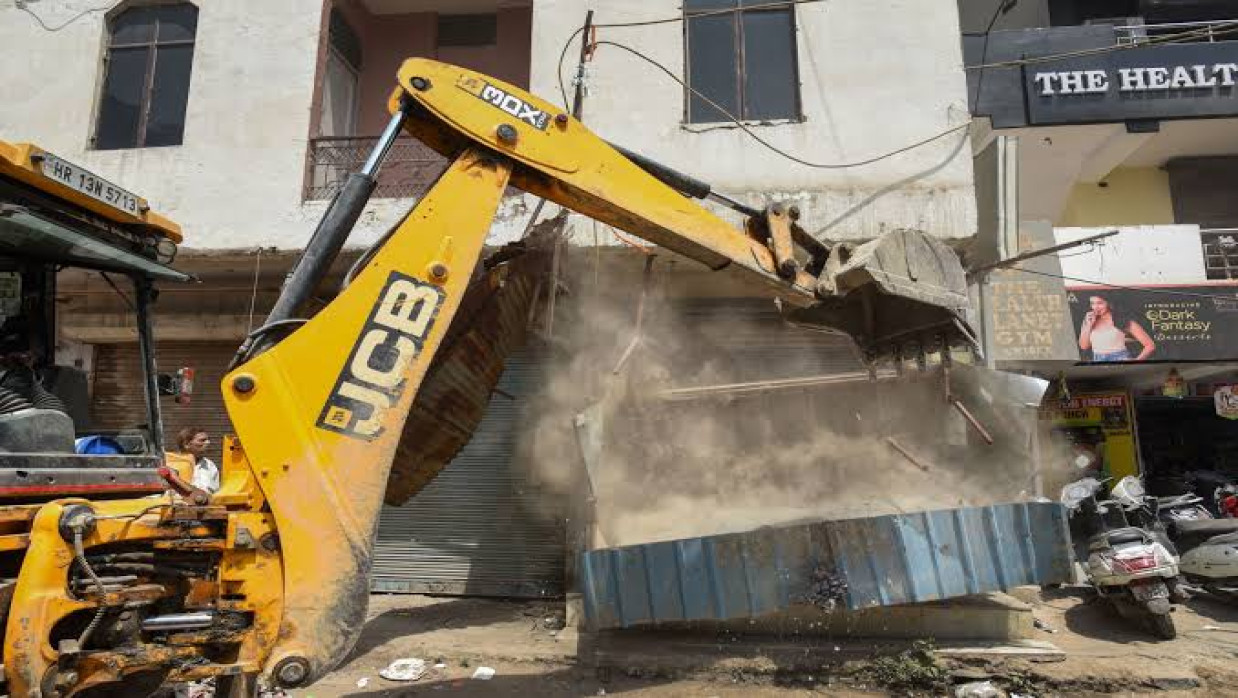
India’s Constitution defines India as a secular democracy based on principles of equality, religious liberty and equal rights before the law. India’s pluralism has been one of its defining strengths for much of its history. Recent events targeting Muslims, Christians, Dalits and Adivasis, however, indicate that the gap between ideals enshrined in the Constitution and on-the-ground reality is becoming harder to overlook.
A Pattern of Anti-Muslim Violence
The South Asia Justice Campaign’s India Persecution Tracker tracked 25 Muslims killed in incidents designated as anti-Muslim hate crimes between May and July 2026. Fifteen deaths were blamed on state forces and ten on Hindu extremist civilians. It also tracked thousands of Muslim homes, shops, and mosques demolished. While an independent advocacy group's tracker compiled this data, not an official government source, the incidents listed should be investigated.
The killing of Azeem Ali, a Muslim driver from Moradabad. His truck hit an auto rickshaw filled with Hindu pilgrims in Uttar Pradesh, whereupon he was reportedly dragged from his truck and beaten. A video was apparently taken during the attack and circulated on social media. He was beaten while an officer stood guard. Ali later died from his injuries. Arrests were made, and murder charges were filed, but the police brought a counter case against him for the wreck as well. Legally speaking, they probably had reason to do so, but it portrays criminals and victims as justified in their actions.
Citizenship and Linguistic Profiling
The plight of Bengali-speaking Muslim migrant workers poses another disturbing constitutional issue. Police in Bengaluru were accused of rounding up hundreds of migrant workers during an exercise aimed at identifying undocumented migrants from Bangladesh. Police claim they checked thousands of people's identity documents and deported some Bangladeshis. Rights activists say Indian migrant workers were detained indiscriminately, including children and elderly folk.
The reported case of Sahida Fakir is even more disturbing. Her family maintains that she was expelled to Bangladesh despite possessing a birth certificate, voter identification and land records demonstrating her Indian connections. Authorities have the right to enforce immigration law, but language, poverty, occupation or Muslim identity cannot substitute for a lawful determination of nationality. When Bengali-speaking Indians become a “suspect population,” citizenship itself becomes insecure.
Christians, Adivasis and Dalits
Muslims are not the only minorities under pressure. Last month, tribal Christian families were allegedly attacked and driven out of their village in Chhattisgarh during a drive to “reconvert” them to Hinduism. Arresting an elderly Christian leader for a Facebook post has also prompted concern over whether criminal laws are being used disproportionately. Also worrying has been the acquittal of all 40 people accused in the 2015 Dangawas killings of five Dalits. The move is likely to undermine marginalized groups' confidence in access to justice. Similarly, a court ruling that allows the withdrawal of a case against 25 politicians and religious leaders accused of inflammatory speeches before the 2013 Muzaffarnagar riots could further erode trust. Court verdicts should be respected, but sweeping acquittals and withdrawals allowed by political masters must come with satisfactory answers, especially if the victims have waited years, if not over a decade, for justice to be served.
India’s Democratic Test
Indian Muslims have also drawn international scrutiny. So far, over 40 organizations in Canada have called on Ottawa to ban RSS chief Mohan Bhagwat from entering Canada. Other groups have called for sanctions against Uttar Pradesh Chief Minister Yogi Adityanath for his alleged role in human rights violations. These calls come from advocacy groups, not judicial rulings. But they show that India’s internal policies toward minorities are starting to damage its global image.
India’s future will not be built on majoritarian muscle. It depends on fair policing, independent courts, due process and equal citizenship. Safeguarding minorities is not something we do for any one community. It’s what we do to test whether this Republic lives up to its Constitution.


0 Comments
LEAVE A COMMENT
Your email address will not be published