
Since returning to power in August 2021, the Taliban have fundamentally transformed the social and political landscape of Afghanistan, particularly through policies restricting women's rights, freedoms and participation in public life. What initially appeared to be a series of temporary restrictions has gradually developed into an institutionalised system of exclusion affecting almost every aspect of women's lives. From education and employment to freedom of movement, healthcare and political representation, Afghan women are increasingly being pushed out of public life. Five years into Taliban rule, the situation raises a fundamental question: can a country achieve stability and sustainable development while systematically excluding half of its population from national life?
Education remains one of the most significant areas of concern. Since September 2021, girls have been prohibited from attending secondary schools beyond the sixth grade, while women have been barred from universities since December 2022. According to UNICEF's August 2026 assessment, more than 2.6 million girls have been denied secondary education since the restrictions were introduced. Afghanistan consequently remains the only country in the world where girls and women are formally excluded from secondary and higher education. This policy is not merely depriving young women of academic opportunities; it is undermining the country's future human capital. A generation that could have become doctors, teachers, engineers, researchers and public administrators is being denied the opportunity to develop its potential. The long-term consequences will extend beyond individual women to Afghanistan's economy, healthcare system and institutional capacity.
The restrictions extend far beyond educational institutions. Afghan women have faced extensive limitations on employment, professional activities and economic participation. Restrictions on women's employment in national and international non-governmental organisations, limitations on their participation in government institutions and the exclusion of female personnel from United Nations premises have further narrowed their economic opportunities. UN Women reported in August 2026 that the Taliban authorities had issued more than 100 decrees affecting women and girls since their return to power. These measures have progressively restricted women's ability to earn livelihoods, contribute to household incomes and participate in national development. The consequences are particularly severe in a country already experiencing poverty, unemployment and humanitarian difficulties.
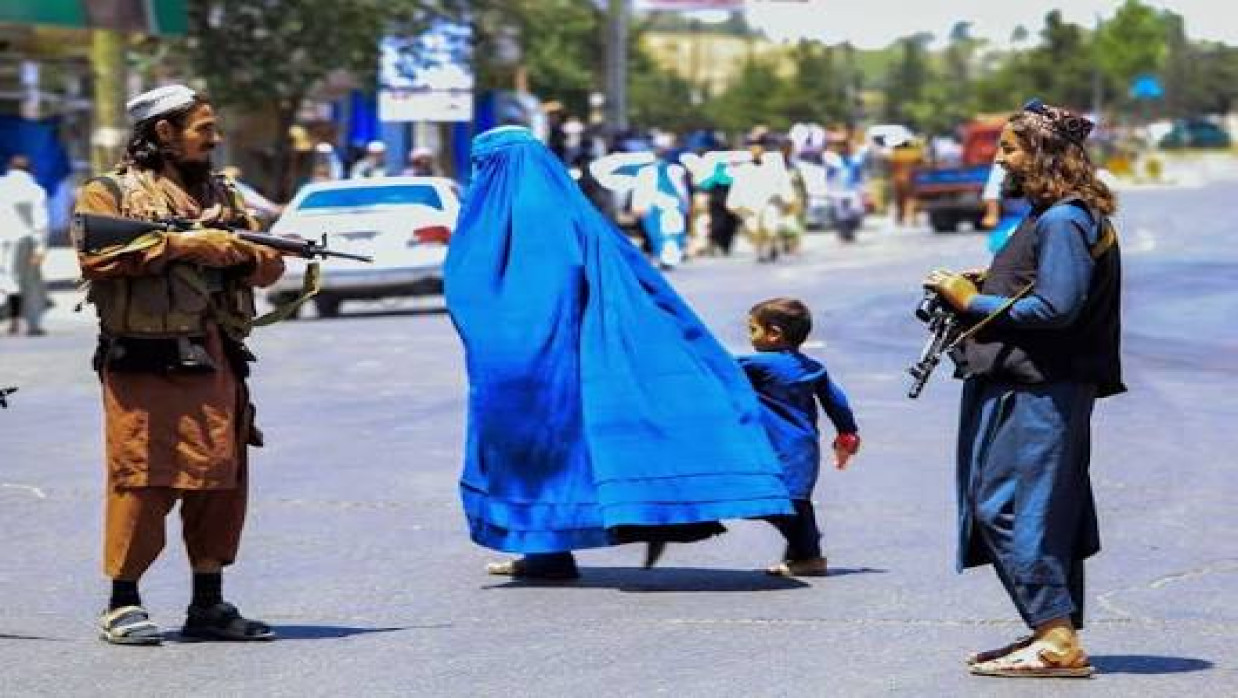
Freedom of movement and personal autonomy have also become major concerns. Requirements for women to be accompanied by a male guardian, restrictions on access to public spaces and the enforcement of strict dress regulations have significantly constrained their everyday lives. According to UN Women's August 2026 findings, more than half of the women surveyed reported leaving their homes only twice a month or less. Such restrictions have transformed ordinary activities, including visiting markets, accessing healthcare and pursuing professional opportunities, into difficult undertakings. The issue is not simply about regulating public conduct; it concerns women's ability to make independent decisions and participate in society.
The institutionalisation of these restrictions has also raised questions about the legal status and protection of Afghan women. The Taliban's 2024 Law on the Propagation of Virtue and Prevention of Vice formalised extensive restrictions on public behaviour, including provisions affecting women's dress, movement and public presence. Subsequent measures have further intensified concerns regarding women's access to justice and protection against violence. In August 2026, UN Women highlighted additional decrees affecting equality before the law, marital rights and women's ability to seek legal protection. The cumulative effect is the weakening of women's position not only as participants in public life but also as individuals entitled to legal protection and personal dignity.
The Taliban authorities maintain that their policies are consistent with their interpretation of Islamic principles and Afghan societal norms. However, the restrictions have generated substantial international concern, particularly regarding the compatibility of these measures with Afghanistan's international human rights obligations. Importantly, the exclusion of women from education, healthcare, employment and public participation should not be conflated with religious identity or Afghan cultural traditions. The rights of Afghan women and girls deserve consideration on their own merits, while religious and cultural debates should not become a justification for denying an entire population access to education and opportunities.
Ultimately, Afghanistan's future cannot be separated from the future of its women. No society can realise its full economic, educational and developmental potential by denying opportunities to half its population. The restoration of girls' access to schools and universities, women's employment rights, freedom of movement and meaningful participation in public life should therefore be central to any credible vision of Afghanistan's recovery. The international community must continue to engage with Afghanistan while keeping women's fundamental rights central to diplomatic and humanitarian discussions. The real measure of national progress is not merely the ability to exercise political authority, but the ability to provide dignity, opportunity and security to every citizen. Until Afghan women can return to classrooms, workplaces and public institutions, the country's claims of sustainable development and national progress will remain fundamentally constrained.


0 Comments
LEAVE A COMMENT
Your email address will not be published