

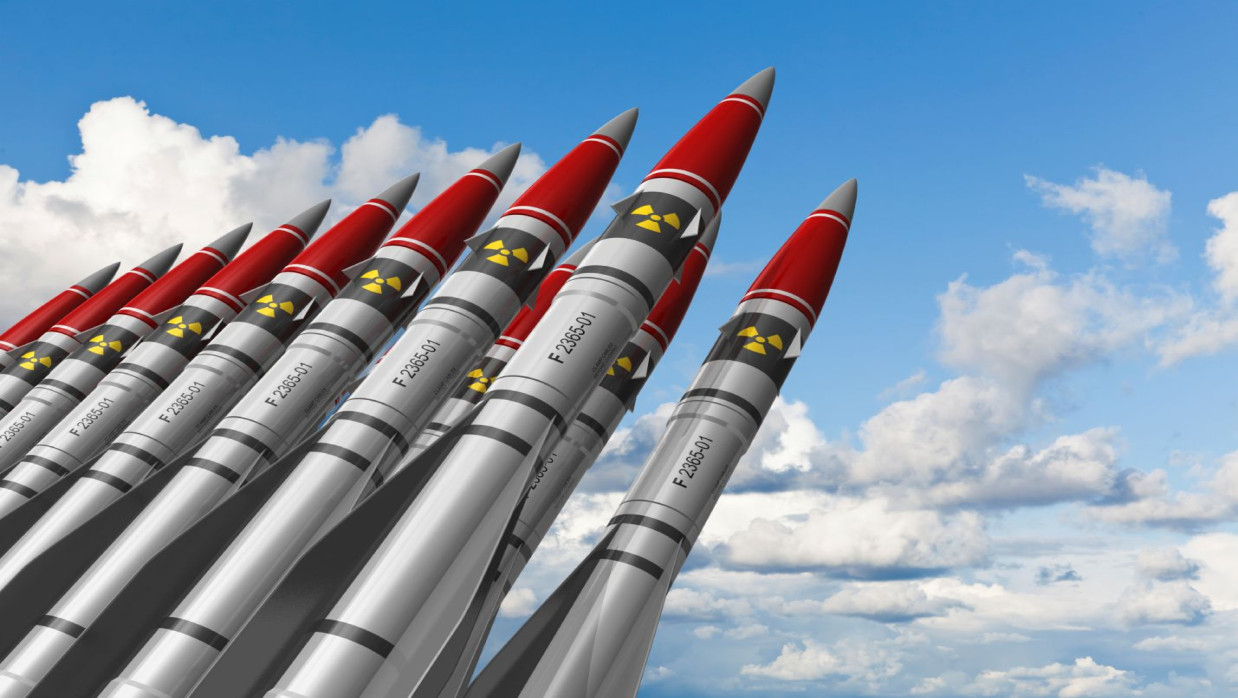
India has long projected itself as a responsible nuclear power—disciplined, secure, and fully in control of its strategic assets. This image is carefully cultivated in diplomatic forums, strategic dialogues, and non-proliferation debates, where New Delhi positions itself as a stabilizing force in a volatile region. Yet beneath this polished narrative lies a troubling record of nuclear and radiological safety lapses that demand scrutiny rather than dismissal. A review of publicly documented incidents over the past two decades reveals systemic weaknesses that go far beyond isolated mishaps and raise legitimate concerns about oversight, accountability, and institutional discipline
The most visible cracks in India’s nuclear safety framework appear not in warfighting scenarios, but in the everyday handling of radioactive materials. One of the most alarming examples occurred in Delhi’s Mayapuri industrial area in 2010, when a highly radioactive Cobalt-60 source—once used for academic research—ended up in a scrap market. The dismantling of this irradiator exposed workers and nearby residents to dangerous radiation levels, resulting in severe illness and at least one confirmed death. International assessments later categorized the incident as a serious failure in radioactive source management, highlighting how material that should never leave controlled custody did so with alarming ease
What made Mayapuri especially concerning was not merely human error, but institutional failure. The absence of effective end-of-life controls, tracking mechanisms, and accountability structures allowed a lethal material to pass silently from a regulated environment into an informal market. For a state operating nuclear reactors and handling sensitive materials daily, this was not a minor oversight—it was a red flag. Disturbingly, similar incidents have followed. In 2019, a Cesium-137 source used by a state-run energy entity went missing, only to be recovered later from a scrap dealer after police intervention. Again, detection came not through proactive monitoring, but through chance and law-enforcement action
Even more troubling are repeated seizures of uranium within India’s borders. These cases directly challenge claims of airtight control over fissile and near-fissile materials. Law-enforcement agencies have recovered significant quantities of depleted and natural uranium in multiple operations, including seizures in Maharashtra and Jharkhand in 2021 involving over six kilograms each. Authorities acknowledged that such materials could not circulate illicitly without serious failures somewhere along the supply and oversight chain. While officials often emphasize that the uranium was not weapons-grade, this reassurance misses the point. Any unauthorized movement of uranium—of any category—signals dangerous vulnerabilities in accounting, security culture, and deterrence
The recurrence of these seizures suggests not a one-off criminal aberration, but the presence of sustained illicit networks enabled by weak controls and inadequate penalties. Compounding this concern are periodic reports involving high-value radioactive isotopes such as californium, a tightly regulated material used in specialized scientific applications. Each arrest involving such substances raises the same uncomfortable question: how are these materials repeatedly slipping out of controlled facilities, and why do corrective measures fail to prevent recurrence?
Material mishandling alone would be serious enough. However, India’s nuclear safety concerns are not limited to civilian domains. In March 2022, an accidental launch of a BrahMos missile during routine maintenance exposed procedural and command failures at a strategic level. The missile crossed an international border before crashing, triggering alarm across the region. BrahMos is widely regarded as a dual-capable system, theoretically capable of carrying either conventional or nuclear payloads.
Although Indian authorities eventually acknowledged the incident and announced disciplinary action, the episode highlighted deeper systemic issues: deviations from standard operating procedures, insufficient fail-safes, and weak crisis communication. These risks are amplified by doctrinal ambiguity. While India formally maintains a No First Use posture, statements by senior officials over the years have introduced uncertainty about its permanence. Simultaneously, investments in advanced missile systems and precision strike capabilities increasingly blur the line between conventional and nuclear operations, raising the stakes of any technical or human error.
India does possess regulatory bodies and safety frameworks on paper. Yet repeated incidents indicate uneven enforcement and reactive rather than preventive oversight. Losses of radioactive sources are often discovered after exposure or interception, not through robust inventory tracking. International databases maintained by the International Atomic Energy Agency record India’s recurring appearance in cases involving loss, theft, and recovery of radioactive materials—a pattern that should prompt reform, not defensiveness
Nuclear credibility is not built through rhetoric, branding, or diplomatic messaging. It is earned through rigorous discipline in the mundane but critical aspects of safety: secure disposal, airtight inventories, personnel vetting, and a culture that treats lapses as systemic warnings rather than public-relations inconveniences. India’s record—from scrap-yard radiation exposure to uranium seizures and accidental missile launches—points to structural weaknesses that cannot be ignored.

0 Comments
LEAVE A COMMENT
Your email address will not be published