

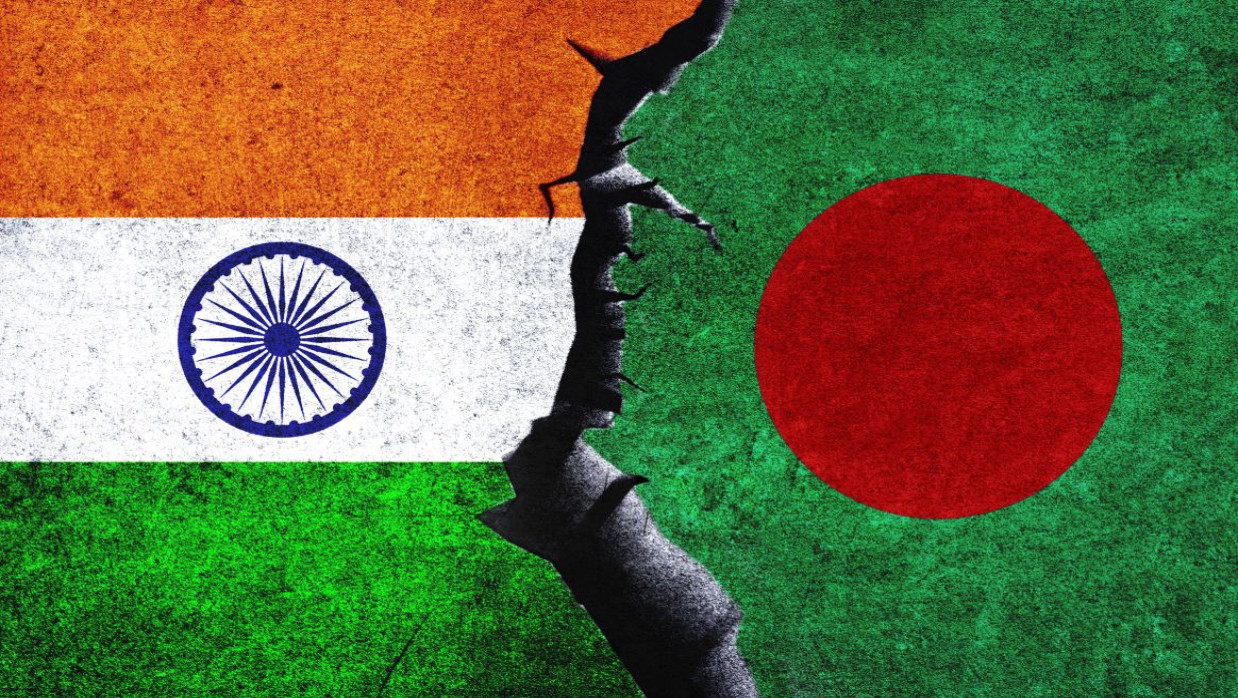
The brutal lynching of Ram Narayan Baghel in Kerala is not an isolated crime; it is a chilling snapshot of a decade-long campaign of violence, profiling, and state-enabled terror against Bengali-speaking communities in India. Baghel, a 31-year-old Dalit migrant laborer from Chhattisgarh, was beaten to death on December 17, 2025, by a mob that repeatedly screamed “Bangladeshi” at him. No stolen goods were found. No crime was established. What was proven beyond doubt, however, was the savagery of the attack: over 80 injury marks, shattered ribs, a broken spine, and not a single uninjured part of his body. His only “crime” was speaking Bengali in a country where language has increasingly become a death sentence.
Baghel’s murder exposes the terrifying normalization of linguistic, ethnic, and religious profiling in contemporary India. Over the past decade, Bengali-speaking people—Muslims and Hindus alike—have been systematically branded as “illegal Bangladeshis,” turning millions of India’s poorest migrants into permanent suspects. This dehumanization has fueled mob lynchings, police killings, mass evictions, arbitrary detentions, and forced deportations, all under the protective shadow of state policy and political rhetoric.
What makes this violence especially insidious is its ideological consistency. The narrative of the “Bangladeshi infiltrator” has been deliberately cultivated, amplified by election cycles, communal polarization, and legal instruments such as the NRC and CAA. From Assam to Odisha, from Delhi to Karnataka, Bengali migrants have been rounded up, their Aadhaar cards dismissed as “fake,” their voter IDs torn up, their families torn apart. Baghel’s lynching is simply the most graphic reminder of how easily hate translates into murder when the state looks away—or worse, nods in approval.
Independent data exposes the scale of this crisis. The India Hate Lab’s 2024 report documented 1,165 hate speech events—a staggering 74 percent increase from the previous year. An overwhelming 98.5 percent targeted Muslims, with BJP-ruled states hosting nearly 80 percent of these incidents. BJP leaders themselves dominated the landscape of hate, with senior figures repeatedly endorsing boycotts, expulsions, and violence. Human rights organizations consistently link this rhetoric to outcomes on the ground: 91 percent of hate crimes in India now trace back to the same ideological ecosystem.
The consequences are lethal. Reports from the South Asia Justice Campaign and APCR India chronicle a relentless pattern of killings, custodial torture, and mass evictions between 2015 and 2025. Bengali Muslims in Assam alone have seen over 17,600 families evicted since 2016, often bulldozed out of existence in the name of “anti-encroachment.” Since the April 2025 Pahalgam attack, violence escalated dramatically under the chilling slogan of “Operation Sindhoor,” with police executions, mob killings, and mass detentions following in quick succession.
Beyond the mobs and police batons lies an even bloodier frontier: the India-Bangladesh border. Along this 4,096-kilometer stretch, the Border Security Force has operated with near-total impunity for decades. Human rights groups estimate that over 1,200 Bangladeshis and dozens of Indian Bengalis have been killed since the early 2000s, many shot on suspicion alone. Children like Felani Khatun, whose body was left hanging on a fence in 2011, and teenagers like Samser Pramanik, beaten and shot in 2020, are grim symbols of a border regime where Bengali lives are disposable.
What unites these atrocities—from lynchings in Kerala to shootings in West Bengal—is not chaos, but design. The targeting of Bengali-speaking communities serves multiple political ends: it consolidates majoritarian identity, deflects economic frustration onto vulnerable migrants, and creates a permanent internal “other” to mobilize voters. Dalits like Baghel, Muslims labeled “Miyas,” and poor Hindu migrants all become collateral in a project that thrives on fear and exclusion.
The state’s response has been predictably hollow. Investigations stall, perpetrators walk free, and victims’ families are left destitute. Courts issue stays that are ignored. Police participate in raids they are supposed to prevent. Meanwhile, hate speech escalates with each election, creating a feedback loop where violence is rewarded, not punished.
Ram Narayan Baghel’s death should have shocked the conscience of the nation. Instead, it fits seamlessly into a decade-long ledger of blood. His lynching reveals the truth behind India’s claims of democratic normalcy: a system where language determines loyalty, poverty invites suspicion, and entire communities live one accusation away from death. This is not merely a human rights crisis; it is an indictment of state power weaponized against the marginalized. Until India confronts the ideology that turns “Bangladeshi” into a license to kill—and holds its institutions accountable—Baghel will not be the last. Silence, in this context, is not neutrality. It is complicity.


0 Comments
LEAVE A COMMENT
Your email address will not be published