

(DEFENCE SECURITY ASIA) – Pakistan and Libya reportedly inked a US$4.6 billion (approximately RM21.62 billion) defence deal, marking a significant development in South–South military cooperation and aligning Libya’s efforts to rebuild its armed forces with Pakistan’s expanding role as a competitive defence exporter beyond traditional Western and Russian supply networks.
The scale, scope and timing of the agreement underscore a recalibration of defence diplomacy across North Africa and South Asia, where affordability, rapid induction timelines, operational sovereignty and reduced political conditionality are increasingly decisive factors shaping procurement behaviour.
For Pakistan, the reported pact marks one of the largest single defence export packages in its history, matching in headline value its earlier US$4.6 billion (RM21.62 billion) JF-17 agreement with Azerbaijan, while for Libya it represents a rare attempt to pursue structured, state-to-state military modernisation after more than a decade of fragmentation, attrition and institutional decay.
The deal is widely understood to have been formalised during Field Marshal Syed Asim Munir’s historic mid-December 2025 visit to Benghazi, the first by a Pakistani military chief to Libya, where discussions culminated in the signing of a military cooperation framework at the headquarters of the Libyan National Army (LNA) under Field Marshal Khalifa Belqasim Haftar.
This engagement, conducted against the backdrop of Libya’s unresolved political bifurcation and Pakistan’s export-oriented defence industrial push, has been interpreted by regional analysts as a pragmatic alignment driven less by ideology than by hard operational requirements and mutual strategic opportunity.
Beyond its immediate transactional value, the agreement reflects a broader shift in how emerging and post-conflict states structure defence partnerships, prioritising turnkey capability packages and long-term sustainment over isolated platform acquisitions.
For Libya, the decision to engage Pakistan signals a strategic intent to rebuild military effectiveness through institutionalised training, maintenance and doctrine transfer rather than reliance on ad hoc foreign support or proxy forces.
For Pakistan, the deal reinforces a deliberate effort to translate operational experience and indigenous production capacity into enduring geopolitical influence across Africa and the wider Middle East.
Taken together, these dynamics suggest the Pakistan–Libya defence agreement is as much a statement of strategic positioning as it is a procurement contract, illustrating how defence exports are increasingly being leveraged as instruments of diplomacy, influence and long-term alignment in an evolving multipolar security order.
Strategic Context and the Revival of a Dormant Defence Relationship
Libya’s pursuit of a comprehensive defence partnership with Pakistan reflects a recognition that its post-2011 security vacuum cannot be addressed through piecemeal acquisitions, irregular foreign assistance or reliance on proxy forces alone.
Pakistan’s appeal as a partner lies in its ability to offer a vertically integrated defence ecosystem—spanning combat aircraft, armoured platforms, naval vessels, munitions and training—without the strategic strings, sanctions risk or alliance politics that frequently accompany Western or Russian suppliers.
The historical roots of Pakistan–Libya relations, dating back to the establishment of diplomatic ties in 1951, provide an additional layer of political familiarity, reinforced during the Gaddafi era when Libya extended economic assistance, energy supplies and employment opportunities to Pakistan.
That relationship atrophied during Libya’s civil conflict, but recent years have seen a gradual thaw, culminating in high-level military exchanges throughout 2025 that laid the groundwork for the current agreement.
Lieutenant General Saddam Khalifa Haftar’s visit to Pakistan in July 2025 proved particularly consequential, as it exposed Libyan defence planners to Pakistan’s expanding indigenous platforms, counterterrorism doctrine and export-oriented production capacity.
Pakistan’s own strategic calculus is shaped by a deliberate effort to reposition its defence industry from a largely import-dependent model to a sustainable export engine capable of generating foreign exchange, industrial scale and geopolitical influence.
With defence exports now a core pillar of Pakistan’s economic and strategic planning, Africa and the Middle East have emerged as priority markets where affordability, combat relevance and rapid delivery cycles outweigh brand prestige.
The Benghazi Visit and the Symbolism of Military Alignment
Field Marshal Syed Asim Munir’s arrival in Benghazi, where he was accorded a guard of honour by the Libyan Armed Forces, carried symbolism that extended well beyond protocol, signalling a political endorsement of structured defence engagement at the highest military level.
During meetings with Field Marshal Khalifa Haftar and Lieutenant General Saddam Khalifa Haftar, discussions reportedly focused on force regeneration, training pipelines, operational planning and counterterrorism coordination across Libya’s vast and porous territorial expanse.
“Both sides underscored the importance of collaboration in training, capacity building, and counterterrorism domains,” stated Pakistan’s Inter-Services Public Relations (ISPR).
Haftar, for his part, acknowledged the operational credibility of Pakistan’s armed forces and expressed interest in expanding defence cooperation as part of a broader effort to professionalise and stabilise the LNA.
These interactions reflect a convergence of interests, as Libya seeks external partners capable of rebuilding institutional competence while Pakistan looks to translate operational experience into enduring defence partnerships.
The Benghazi talks also reinforced Pakistan’s positioning as a politically flexible supplier, willing to engage actors shunned or constrained by Western embargoes, while maintaining a formally neutral posture in Libya’s internal political dispute.
Dissecting the US$4.6 Billion Package and Its Operational Impact
At the core of the reported agreement is a multi-domain force modernisation package spanning air, land and maritime capabilities, designed to address Libya’s most acute operational deficiencies while creating long-term dependency on Pakistani training and sustainment frameworks.
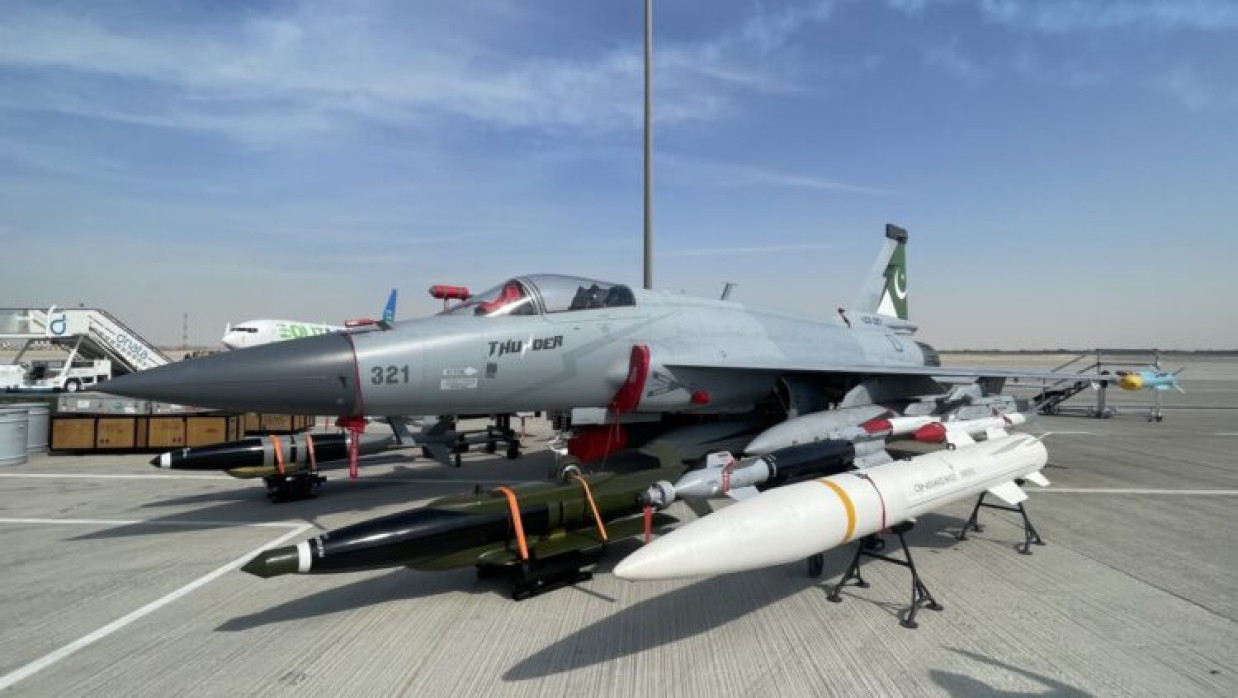
The inclusion of 16 JF-17 Thunder multirole fighter jets represents the most strategically significant component, as it would provide Libya with a modern, network-capable combat aircraft suited to wide-area surveillance, precision strike and airspace control.
The JF-17 Block III variant, widely believed to be the configuration under discussion, integrates an active electronically scanned array (AESA) radar, advanced electronic warfare suites, helmet-mounted display systems and compatibility with beyond-visual-range air-to-air missiles and precision-guided munitions.
With unit costs typically ranging between US$25 million and US$50 million depending on configuration and support packages—equivalent to approximately RM117.5 million to RM235 million—the JF-17 offers a cost-performance ratio that is particularly attractive for air forces rebuilding from attrition rather than expanding from baseline capability.
Pakistan’s extensive domestic production run, exceeding 150 aircraft, has generated a mature maintenance ecosystem, reducing lifecycle costs and ensuring platform availability in austere operating environments similar to Libya’s desert theatres.
“The JF-17’s versatility and low maintenance costs make it ideal for rebuilding depleted aerial capabilities effectively,” noted a defense analyst in recent reports.
For Libya, the induction of JF-17s would mark a decisive shift away from ageing MiG-21s and Mirage F1s, platforms increasingly unsustainable due to spare-parts scarcity and avionics obsolescence.
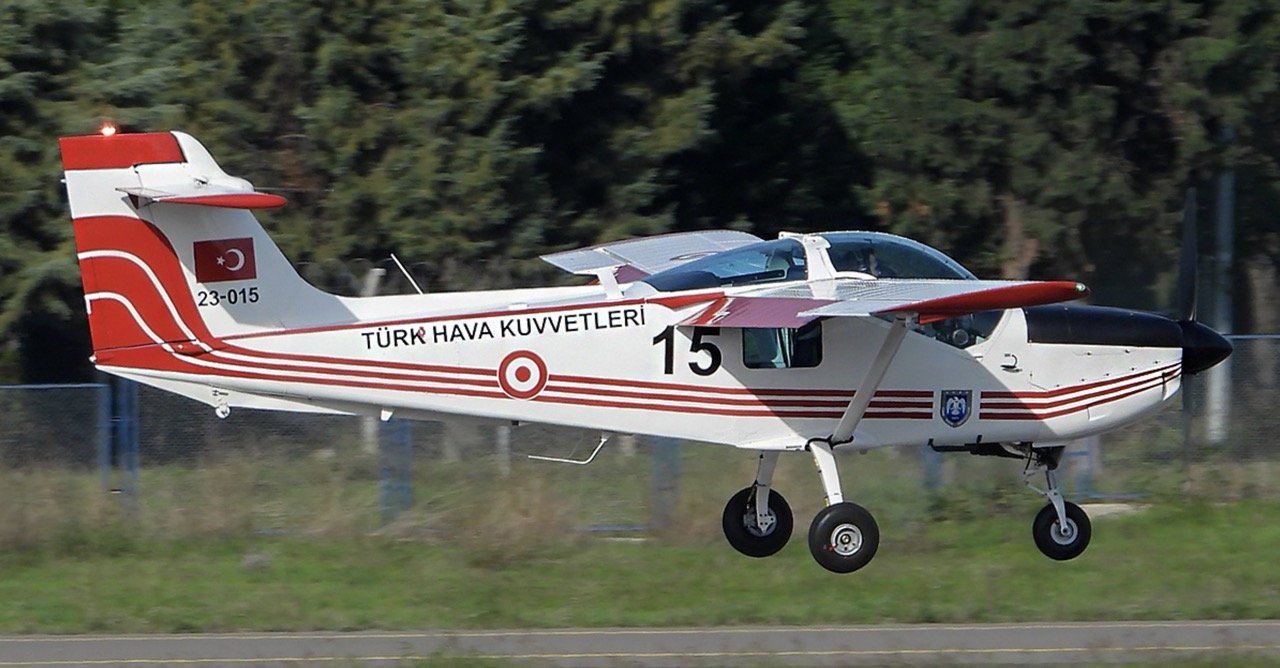
Complementing the fighter fleet are 12 Super Mushshak basic trainer aircraft, a platform optimised for primary flight training and light attack roles, and priced at approximately US$1–2 million (RM4.7–9.4 million) per unit.
The Super Mushshak’s glass cockpit, ejection seats and light weapons integration make it a pragmatic solution for rebuilding pilot training pipelines disrupted by years of conflict and institutional collapse.
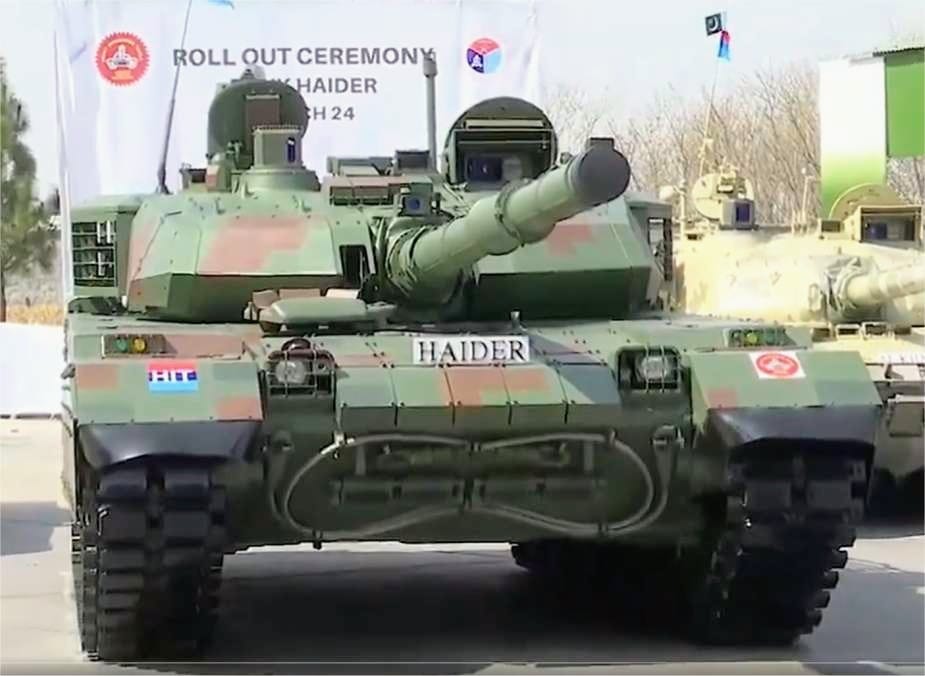
On the ground warfare front, the reported inclusion of 44 Haider main battle tanks reflects Libya’s need to restore credible armoured manoeuvre capability across its vast terrain.
The Haider, Pakistan’s indigenous evolution of the Chinese VT-4, integrates a 125mm smoothbore gun, modern fire-control systems, explosive reactive armour and enhanced mobility optimised for desert operations.
Produced by Heavy Industries Taxila, the platform embodies Pakistan’s emphasis on balancing firepower, protection and sustainment efficiency, attributes directly relevant to Libya’s operational environment.
Advanced infantry mortar systems, likely incorporating precision-guided munitions, address the LNA’s requirement for responsive, accurate indirect fire in counterinsurgency and urban operations, reducing collateral damage while enhancing tactical effectiveness.
The naval dimension of the package, reportedly centred on a multi-purpose naval vessel potentially derived from Pakistan’s MILGEM-class corvette or an offshore patrol vessel design, underscores Libya’s growing concern over maritime security across its Mediterranean coastline.
Such a vessel, equipped for patrol, interdiction and limited anti-surface warfare, would strengthen Libya’s ability to counter smuggling networks, irregular migration flows and maritime infiltration by hostile non-state actors.
Crucially, the deal extends beyond hardware to encompass comprehensive training programmes, embedding Pakistani instructors within Libyan units to rebuild institutional competence across air, land and maritime domains.
Indicative Breakdown of the US$4.6 Billion (≈ RM21.62 Billion) Pakistan–Libya Defence Package
| Domain | Platform / Capability | Quantity | Estimated Unit Cost | Operational Impact for Libya |
|---|---|---|---|---|
| Air Power | JF-17 Thunder Block III Multirole Fighter | 16 aircraft | US$25–50 million per unit | Restores credible airspace control, precision strike capability and network-centric air operations across Libya’s vast territory |
| Air Training | Super Mushshak Basic Trainer / Light Attack Aircraft | 12 aircraft | US$1–2 million per unit | Rebuilds pilot training pipelines and enables structured transition to modern fighter operations |
| Land Warfare | Haider Main Battle Tank (VT-4 derivative) | 44 tanks | ~US$5–6 million per unit | Restores armoured manoeuvre capability optimised for desert warfare and internal security operations |
| Indirect Fire Support | Advanced Infantry Mortar Systems (81mm/120mm, incl. precision munitions) | Not disclosed | Package-based | Enhances counterinsurgency fire support with higher accuracy, responsiveness and reduced collateral damage |
| Naval Power | Multi-Purpose Naval Vessel (OPV / light corvette class) | 1 vessel | Package-based | Strengthens maritime security, interdiction capability and coastal control along Libya’s Mediterranean littoral |
| Training & Sustainment | Pilot, armour, naval and counterterrorism training programmes | Comprehensive | Contractual | Builds institutional competence, operational readiness and long-term sustainment autonomy |
| Command, Support & Integration | Spares, simulators, weapons integration, logistics and lifecycle support | Included | Contractual | Ensures long-term viability, interoperability and reliance on Pakistan’s defence ecosystem |
| — | Total Package Value | — | — | US$4.6 billion (≈ RM21.62 billion) |
Industrial, Economic and Geopolitical Ramifications
From an industrial perspective, the US$4.6 billion (RM21.62 billion) agreement would significantly expand production throughput at Pakistan Aeronautical Complex, Heavy Industries Taxila and Karachi Shipyard & Engineering Works, reinforcing economies of scale and export credibility.
For Pakistan’s broader economy, the deal promises foreign-exchange inflows, employment generation and downstream supply-chain activity, aligning defence exports with national economic stabilisation objectives.
Geopolitically, the agreement reinforces a multipolar defence marketplace in which middle powers leverage cost-effective platforms and operational credibility to challenge traditional suppliers.
Libya’s diversification away from reliance on Russian, Turkish or Western systems reduces vulnerability to sanctions, embargoes and political pressure, while Pakistan gains strategic presence in North Africa without formal military basing or alliance commitments.
However, the agreement also intersects with unresolved international constraints, notably the United Nations arms embargo imposed on Libya since 2011, raising questions about compliance mechanisms and exemption pathways.
Internal Libyan divisions between the LNA and the UN-recognised Government of National Unity further complicate implementation, introducing risks related to force integration, command legitimacy and long-term sustainment.
Despite these challenges, the agreement reflects a pragmatic assessment by both parties that operational necessity and strategic autonomy outweigh reputational risk in an increasingly fragmented international order.
Beyond bilateral considerations, the deal may accelerate competitive responses from established arms suppliers seeking to preserve market share in North Africa amid tightening defence budgets and shifting procurement preferences.
The agreement also highlights how defence-industrial cooperation is increasingly being used as a strategic hedge by states operating in volatile regions, balancing external influence while enhancing indigenous security capacity.
In this context, the Pakistan–Libya pact underscores a broader structural trend in which defence exports are no longer merely commercial transactions, but instruments shaping regional power balances, diplomatic leverage and long-term strategic alignment.
A Calculated Gamble in a Fragmented Security Environment
The Pakistan–Libya defence agreement, valued at US$4.6 billion (RM21.62 billion), represents a calculated gamble by two states navigating complex security landscapes through pragmatic alignment rather than ideological alignment.
For Libya, the deal offers a pathway toward restoring credible national military capability after more than a decade of erosion, while for Pakistan it consolidates its position as a serious, scalable and politically flexible defence exporter.
If executed effectively, the agreement could evolve into a long-term strategic partnership encompassing joint training, doctrine development and sustained industrial cooperation.
In an era defined by shifting alliances, constrained budgets and contested security environments, the Pakistan–Libya pact illustrates how emerging defence exporters and post-conflict states are redefining military modernisation on their own terms.
Beyond its immediate commercial value, the agreement signals a broader recalibration of defence relationships in which middle powers increasingly bypass traditional suppliers in favour of partners offering affordability, speed of delivery and reduced political conditionality.
For Libya, the pact reflects an acknowledgement that restoring deterrence and internal security requires not only modern platforms but also structured training pipelines and institutional rebuilding after years of fragmentation.
For Pakistan, the deal reinforces a strategic export narrative in which defence manufacturing is leveraged as an instrument of foreign policy, industrial scaling and geopolitical relevance across Africa and the wider Muslim world.
The agreement also underscores a shifting arms market dynamic, where operationally proven, cost-effective systems are gaining traction over premium Western platforms amid fiscal pressure and evolving threat perceptions.
At the same time, the pact exposes inherent risks, including regulatory scrutiny, implementation challenges and the uncertainty created by Libya’s unresolved political divisions and security architecture.
Nevertheless, the Pakistan–Libya defence arrangement exemplifies how states operating in fragmented security environments are increasingly willing to assume calculated risks to secure autonomy, resilience and long-term strategic options in an increasingly multipolar world.
The article appeared in the DEFENCE SECURITY ASIA

0 Comments
LEAVE A COMMENT
Your email address will not be published