

A Voice of Reason from Inside India
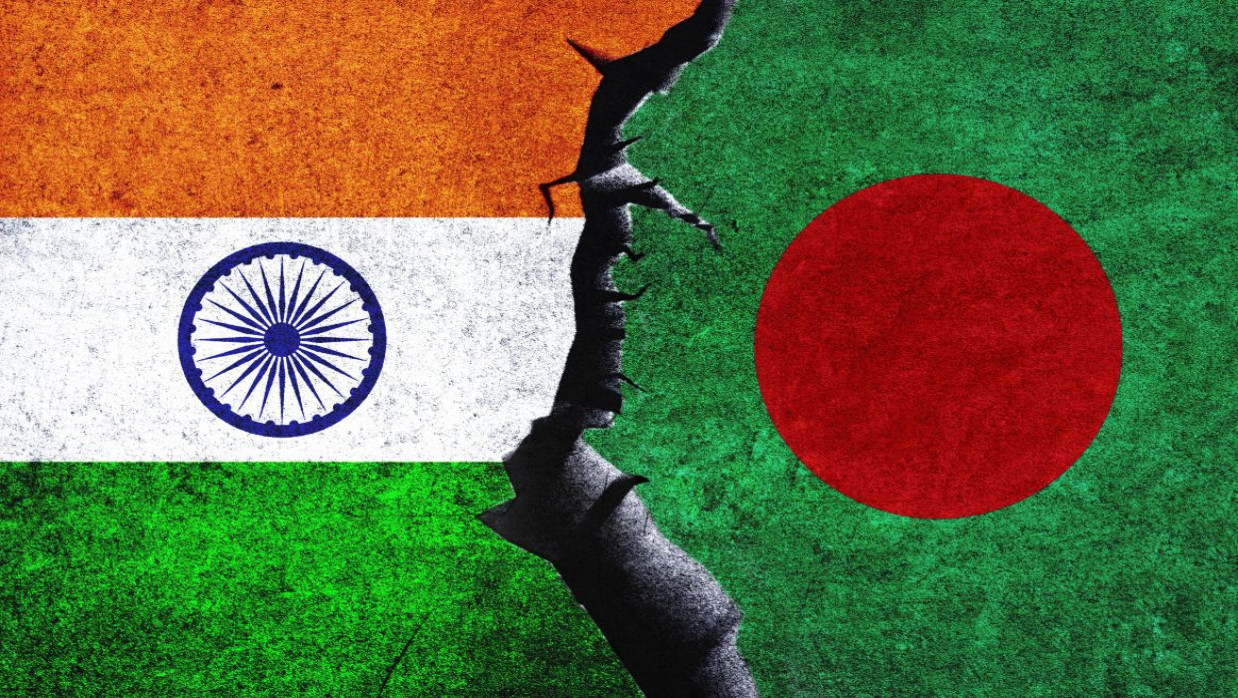
When Jawhar Sircar, the former CEO of Prasar Bharati (India’s public broadcaster) and a former Trinamool Congress MP, told Karan Thapar of The Wire that India must “moderate the anti-Bangladeshi fury” sweeping the country, he did something rare in today’s India: he spoke honestly about power, prejudice, and policy failure.
He spoke calmly, looked inward, and in doing so exposed the folly and hypocrisy of the Indian establishment at a time when the official narrative is one of unalloyed nationalism.
Sircar’s warning was not sentimental. It was strategic. He argued that India’s media-fueled rage against Bangladesh, particularly over issues relating to Hindu–Muslim tensions, is not only unfair but deeply counterproductive. It strengthens extremists inside Bangladesh, poisons bilateral relations, and ultimately undermines India’s own long-term interests.
Mustafizur Rahman & the Limits of Symbolic Punishment
The forced removal of Bangladeshi cricket star Mustafizur Rahman from the Kolkata Knight Riders (KKR) franchise, Sircar said, was emblematic of this self-inflicted wound. Mustafiz is a national hero in Bangladesh. He is neither a politician nor a communal agitator. Yet he was made a symbolic casualty of India’s domestic Hindutva politics.
The message that reached Dhaka was simple and devastating: Bangladeshi identity itself is now suspect in India. That is how friendships are destroyed.
How India’s Media Became a Diplomatic Weapon
India today has a problem far larger than Bangladesh. It has allowed its television studios, WhatsApp chains, and Hindutva influencers to become a parallel foreign ministry. Every street incident in Dhaka, every social media rumor, every isolated attack on a minority is instantly weaponized into a story of “Bangladeshi barbarism,” amplified to millions.
Sircar rightly warned that this hysteria plays directly into the hands of Bangladeshi extremists. When Indian media brands Bangladesh as anti-Hindu and barbaric, it validates the narrative of Islamist hardliners who claim that India is inherently hostile to Muslim-majority Bangladesh. The result is polarization on both sides.
This is not how responsible regional powers behave. It is how insecure empires unravel.
The Colonial Roots of Today’s Resentments
Sircar’s historical analysis is particularly important for Bangladeshi readers. He reminds Indians that Hindu-Muslim tensions in Bengal did not emerge from some inherent civilizational hatred. They were manufactured during two centuries of British rule through the zamindari system and the monopolization of education and government employment by the Hindu bhadralok elite.
In East Bengal, Muslims were systematically dispossessed, impoverished, and excluded from the colonial state. The resentment that accumulated was not communal in origin; it was socio-economic and structural. But after Partition, India never fully acknowledged this history. Instead, it projected itself as the natural guardian of Bengal, even when its own elites had historically benefited from the subjugation of Bengali Muslims.
This unresolved colonial legacy still shapes Indian attitudes toward Bangladesh: a mix of paternalism, superiority, and suspicion.
India’s Hasina Bet and Its Cost
Perhaps Sircar’s most explosive admission was this: India made a catastrophic mistake by placing all its bets on Sheikh Hasina and turning a blind eye to her excesses.
For nearly 15 years, Delhi treated Hasina as a strategic asset, someone who could suppress Islamist forces, keep Bangladesh aligned with India, and neutralize China’s influence. In return, India ignored:
The destruction of democratic institutions
Disappearances and extrajudicial killings
Rigged elections
A ruling elite detached from the people
When Hasina finally fell, Sircar notes, public rage did not stop at her. It spilled over into anger at India itself for having propped her up. This is not “anti-India propaganda.” It is the predictable outcome of India backing a ruler instead of the people.
Mustafizur Rahman and the Folly of Symbolic Punishment
The KKR episode illustrates the blindness of India’s current approach. Mustafizur Rahman is not responsible for any political developments in Bangladesh. Yet he was punished as if he were an ambassador of Dhaka’s alleged sins.
In doing so, India insulted millions of ordinary Bangladeshis for whom Mustafiz is a source of pride and joy. Cricket in South Asia is not just a sport; it is an identity. By humiliating a Bangladeshi cricket icon, India humiliated Bangladesh.
Sircar was absolutely right: this single act will do more to alienate young Bangladeshis from India than a thousand fiery speeches in Dhaka.
Why India Should Welcome a BNP Government
Perhaps most surprising to Indian audiences was Sircar’s conclusion that a Tarique Rahman-led BNP government, despite its historically more distant posture toward India, may actually be the best outcome for New Delhi.
Why? Because legitimacy matters. A democratically elected BNP government would command genuine popular support, be less dependent on anti-India rhetoric for survival, and have the space to negotiate with India as an equal, not a client state.
Hasina’s regime survived by clinging to India. A BNP government would survive by being accountable to Bangladeshis. That is exactly what stable neighbors require.
India’s obsession with having a “friendly ruler” instead of a friendly people is the core of its Bangladesh problem.
The Danger of Hindutva in Regional Diplomacy
India’s new nationalism has blurred the line between domestic ideology and foreign policy. When Hindutva frames Bangladesh primarily as a Muslim threat, rational diplomacy becomes impossible.
Bangladesh is not Pakistan. Bangladesh is not Afghanistan. Bangladesh is a Bengali nation with a deep pluralist tradition. But Hindutva cannot see nuance. It sees only religious identity. And once that lens dominates, every Bangladeshi becomes suspect, every cultural tie becomes a Trojan horse, and every crisis becomes a civilizational clash.
That is not statecraft. That is self-sabotage.
A Warning India Should Heed
Jawhar Sircar’s intervention matters precisely because it comes from inside India’s establishment. He is not a Bangladeshi nationalist. He is a former Indian MP, a former head of Indian broadcasting, and a deeply informed observer of Bengal’s shared history. When such a man says India must restrain itself, India should listen. Because the truth is simple:
Bangladesh does not need India to love it. But India needs Bangladesh not to hate it.
And right now, thanks to reckless media, Hindutva politics, and Delhi’s Hasina-centric foreign policy, India is doing everything possible to manufacture that hatred.
Conclusion: The Choice Before India
India stands at a crossroads. It can either continue its tantrum, blaming Bangladesh, punishing symbols like Mustafiz, and empowering extremists on both sides, or it can relearn the art of regional leadership, respect, restraint, and democratic realism.
Jawhar Sircar has shown the path. Whether Delhi has the wisdom to follow it is another question. History, as Sikkim once learned and Bangladesh is now learning, is unforgiving to empires that confuse dominance with friendship.

0 Comments
LEAVE A COMMENT
Your email address will not be published