

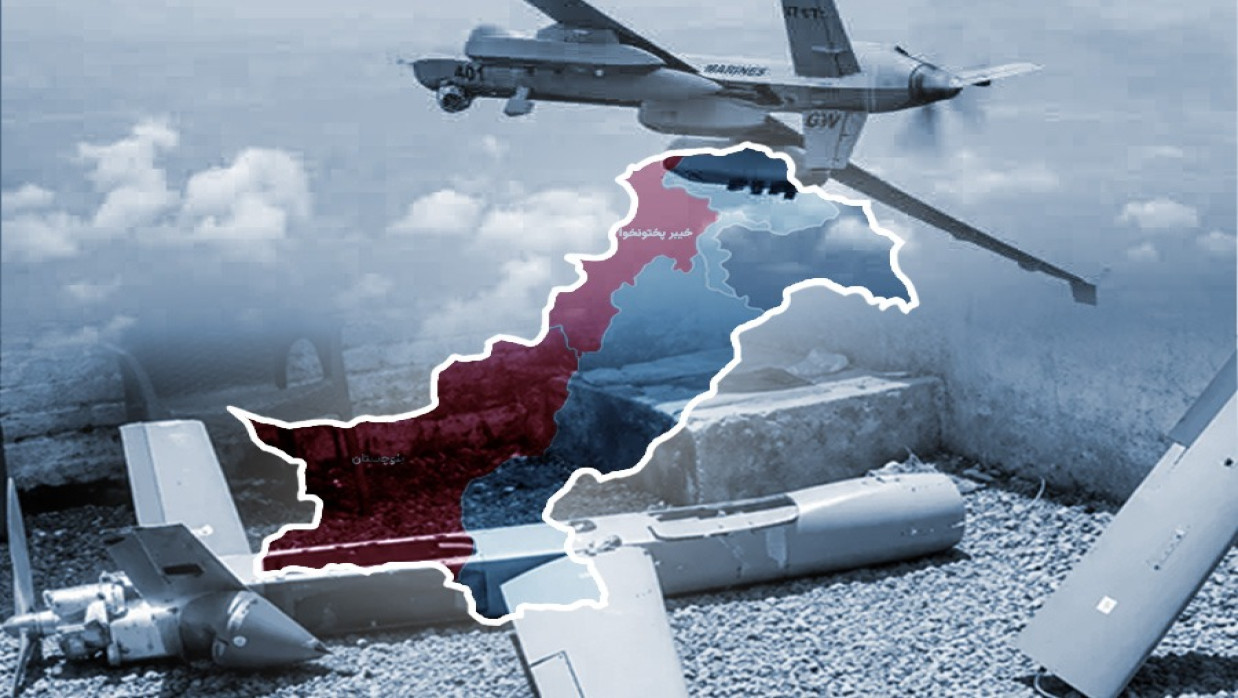
The ongoing Afghan Taliban regime keeps using false narratives, off to the side diversion moves, and state-approved disinformation, which shows this bigger pattern of deliberate misdirection. The latest things Kabul says, about drones crossing borders to hit supposed militant hideouts in Pakistan, looks like just another calculated attempt to cover up a pretty well documented situation. In plain terms, under the Taliban, Afghanistan has turned into a permissive haven for a dangerous mix of transnational terrorist organizations. And when the regime tries to flip victim and perpetrator, it keeps dodging what it owes to regional stability and to international security, like those obligations somehow don’t apply.
Instead of taking decisive steps to remove the operational infrastructure of terrorist organizations inside its borders—like the Tehreek-e-Taliban Pakistan (TTP, also called Fitna al Khawarij), Daesh-Khorasan (ISKP), and others — the Taliban administration seems to lean a lot on a strategy that’s basically active denial. The claim that it used “rudimentary drones” to neutralize dangers inside Pakistani territory, reads more like a political smokescreen than actual counterterror action. The whole point is to pull attention away from what global observers would otherwise notice, which is the continued freedom of movement, the logistical pathways, the recruitment pipelines, and the funding conduits that these groups still operate thanks to the regime’s ongoing territorial control.
The illusion of a counter-terrorism force
The regime’s public relations work tries to show Kabul as some kind of responsible, proactive actor against terrorism across the region. Yet a state really can’t just, pick and choose how it fights terrorism, based on changing strategic math or political taste. Real counter-terrorism should have zero tolerance, for the whole extremist spectrum, no exceptions.
If a governing authority keeps tolerating, framing as acceptable, or outright sheltering armed groups that directly attack the security forces, the people, and the sovereignty of nearby countries, then its official anti-terror statements turn into something hollow. The international community has to look past carefully polished press material and check what’s actually happening on the ground. The fact that there are still more than two dozen extremist groups operating inside Afghanistan suggests that whatever Kabul says, is not backed by practical enforcement and that is why it cannot offer genuine security.
Regional impact and security challenges
The fallout from this selective tolerance is basically carried by the communities in border regions, especially in Khyber Pakhtunkhwa and Balochistan. For decades the counter-terrorism drive and also the huge human sacrifice get weakened, if those cross-border corridors stay open for armed groups, like nothing has changed.
And the whole idea of shifting blame through fabricated narratives doesn’t really alter the actual, physical reality. Hostile networks need real operating space, command hubs, and also sheltered ground, in order to plan attacks and carry them out. If these resources exist more or less without interruption on sovereign territory, then the controlling authority has a direct duty. It could be by institutional choice, or just operational incapacity, either way.
Defensive Readiness and Fact vs. Rhetoric
That recent airspace infraction around Shinko in the Khyber district sort of shows how propaganda and reality split, in a not very clean way. While official channels out of Kabul claimed a successful cross-border operation targeting hostile encampments, the on the ground tactical picture was entirely different. The state-run media and defense apparatus of Pakistan stated that a low-tech, unauthorized drone pushed into domestic airspace and was quickly spotted, followed, and neutralized by alert air defense units.
The prompt neutralization of that intruding drone near Shinko, really matters. It sends a strong signal about sovereign defense, and it also suggests that any attempts to breach national airspace while hiding behind the idea of unilateral security operations will get contained fast, professionally. Even more, the episode underlined how thin the regime’s claims were, turning what was meant to look like a propaganda win into an obvious display of defensive readiness.
Sovereignty in the end cannot be bargained away through one-sided moves or misleading rhetoric. Unauthorized aerial incursions will be met with immediate defensive measures, meant to protect national territory, the airspace, and public safety.
The Path Forward: Actions Over Assertions
For the region to reach a lasting peace, that old loop of denial and cross border tension has to give way to real state behavior that can be checked. Smooth or deceptive stories won’t actually shift the basic facts that regional partners and international monitors already recognize. As a next step, the bare minimum for serious, constructive engagement comes down to measurable outcomes, not grand claims, like people say.
- The permanent removal of known terrorist infrastructure, plus the logistical networks tied to it.
- The arrest and prosecution of named militant commanders who are operating openly.
- The implementation of hard but verifiable border controls, so infiltration across the border can’t keep happening.
- Real and transparent intelligence, and security collaboration with neighboring states, without side deals.
Propaganda can create a quick political distraction, yet it does not really replace stable governance and regional accountability, or not in any meaningful way. Those empty claims about counter-terrorism won’t convince outside observers, not until the regime puts in place irreversible steps against all violent actors, inside its own borders. After that state defenses will continue in a highly alert posture, so that security, national determination, and concrete facts keep leading the way over manufactured stories.


0 Comments
LEAVE A COMMENT
Your email address will not be published