

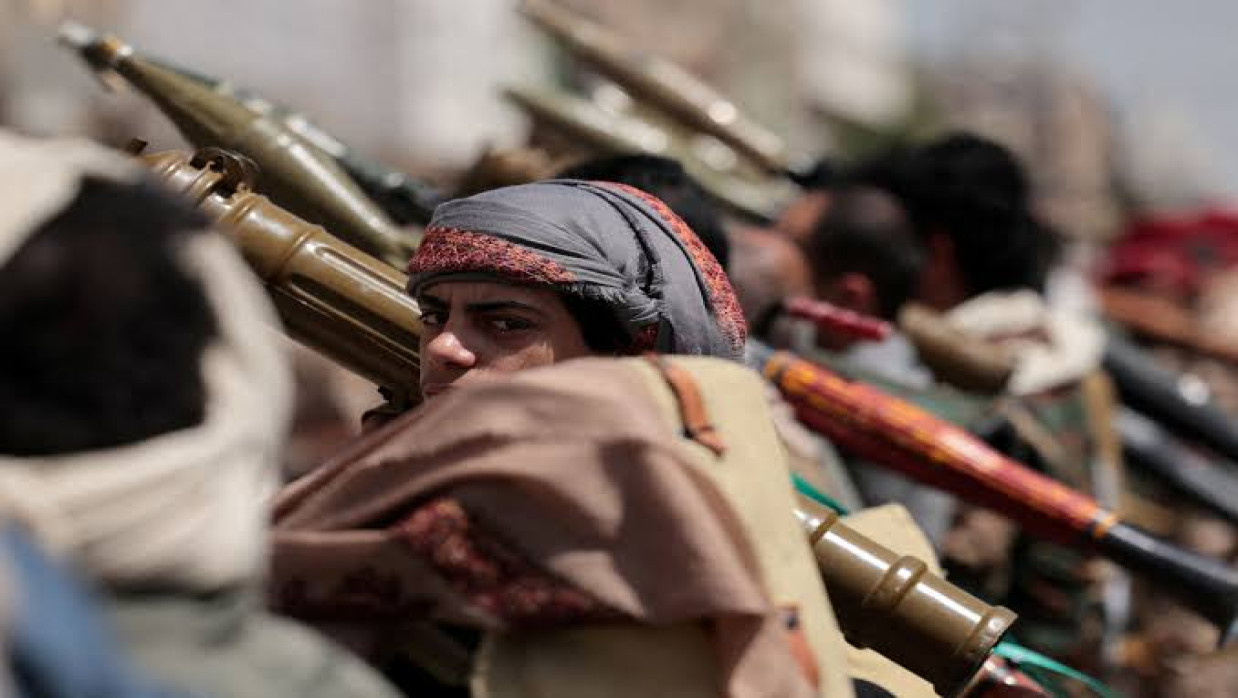
The recent report of the Houthi attacks against the Taibah power distribution station located in Madinah city on September 29 has added an extremely delicate element to the already tense regional security situation. Indeed, the Taibah power distribution station is responsible for supplying the electricity needed by the area in which the Mosque of Prophet is located.
According to the Saudi-led coalition, at around 5:11 a.m. on September 29, there was an attack on the power station carried out by a drone. As a result of the investigation, which included the examination of the drone parts, the Saudi authorities identified the Houthi group as the author of the attack. One transformer was reportedly damaged, however, the rest of the network continued to operate properly.
However, the event has sparked strong reactions, especially among nations which regard the safety of Makkah and Madinah to be a concern going beyond the security concerns of Saudi Arabia. One of the nations that reacted strongly was Pakistan. According to a statement released on October 2, Pakistan's Foreign Office strongly criticized what it saw as the attack by the Houthi militia on civilian power infrastructure feeding the Prophet's Mosque electricity.
The importance of the incident partly stems from the nature of the target. Civil power infrastructure is usually regarded as a critical part of a nation's civilian infrastructure. Attacks on civilian infrastructure can have repercussions on such entities as hospitals, private homes, offices, means of transport and other essential utilities. However, when the attacked facility is related to providing electricity to a significant religious institution, it takes on a symbolic connotation too.
However, there is one thing that makes Madinah different from any other city or territory for that matter, in the Islamic world. In addition to being visited by millions of pilgrims and worshippers who come to pray in the Prophet's Mosque, the city also holds a special significance in terms of Islamic history and spirituality. Hence, any sort of military involvement that may affect the infrastructure in Madinah should not be seen simply in terms of the logic of warfare.
That is why Pakistan's reaction in this case emphasized the sanctity of the Two Holy Mosques and safety of worshippers and pilgrims. As far as the official stance of Islamabad is concerned, attacks involving civilian infrastructure that affects the Holy Sites cannot be viewed merely as yet another incident in the larger picture of a region-wide conflict.
The latest attack comes amidst further escalation that involves the Houthis and Saudi Arabia. According to reports by Reuters, the Saudi-led coalition blamed the Houthis for the attack on Madinah while the Houthis rejected any responsibility for the attack. The Saudi forces later struck back against Houthi targets within Yemen. According to Reuters, these developments mark some of the most important escalations in the ongoing hostilities following the UN-brokered truce in 2022.
From this case, it is evident how dangerous attacks can be, especially on critical infrastructure. Even where the damage might not be great, political and security implications may be significantly greater. An attack will lead to further retaliatory actions and military preparedness.Whereas it is a matter of basic national defense for Saudi Arabia to protect the holy cities of Makkah and Madinah, the protection of the Holy Sites is of even more importance to the global Muslim population.
Pakistan’s position demonstrates the same principle. Pakistan’s foreign office, throughout all these years, has consistently supported the idea of the necessity to ensure the security of Saudi Arabia but also highlighted the importance of dialogue and peaceful resolution of regional conflicts. Its foreign office statement also stressed the position of Pakistan on the necessity to ensure peace and stability in the region along with the position of solidarity with Saudi Arabia.
In this way, the key point here is not only the destruction of one electricity transformer in the area of the second most holy city of Islam. It is also a precedent when important infrastructure used by the religious place is integrated into the military plans of regional conflict. The more geographically extensive become missiles and drones used in conflicts, the more complicated becomes the task of governments to separate civilians and sacred sites from military operations.
The Madinah case contains a message which goes far beyond the conflict between Saudi Arabia and Houthis.
As far as Pakistan is concerned, there can be no doubt about the matter, since the security of Saudi Arabia and the protection of the Two Holy Mosques have repercussions that transcend the usual considerations of geopolitics. In addition, the Holy Sites and the security of worshipers and pilgrims need special protection, and regional rivalries must not turn Makkah and Madinah into places of conflict.
The Madinah power station incident has therefore become more than another episode in the Yemen conflict. It has highlighted how modern warfare can bring regional rivalries closer to places of exceptional religious importance and why preventing such escalation is increasingly a shared concern across the Muslim world.


0 Comments
LEAVE A COMMENT
Your email address will not be published