

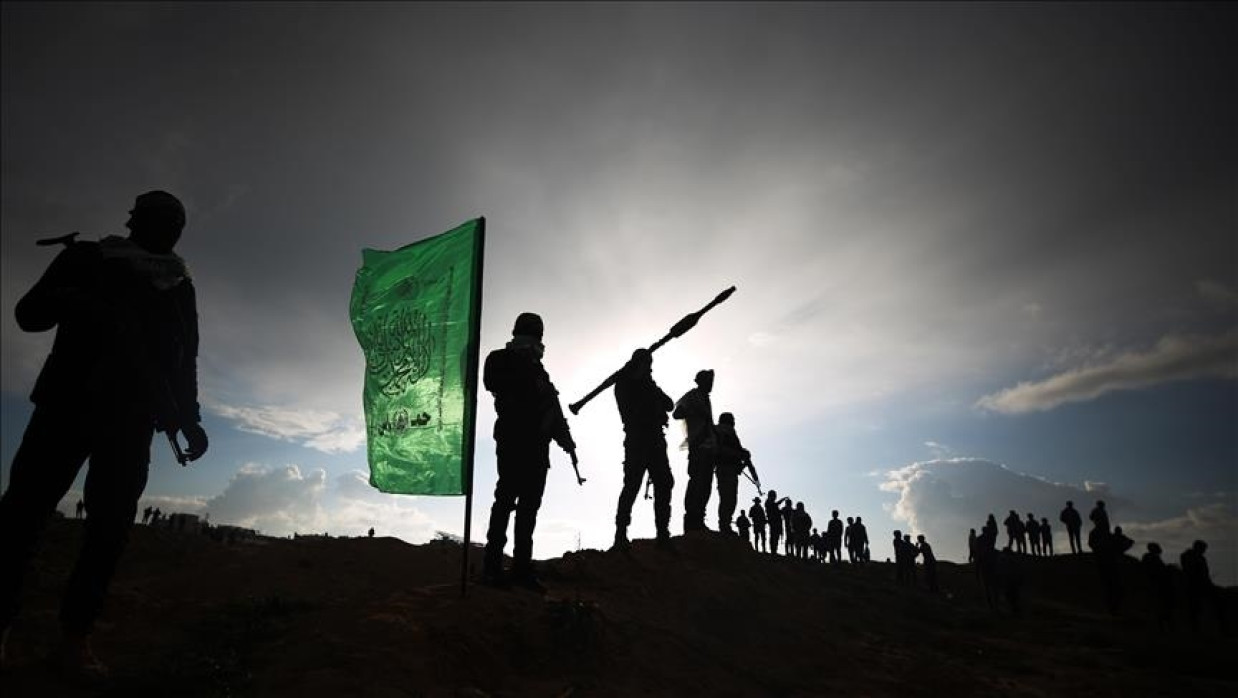
In the tangled ecosystem of global journalism, international broadcasters kinda hold an implicit responsibility to keep absolute objectivity, especially when they report on areas destabilized by conflict and terrorism. Still, there’s a gap between those institutional ideals and what actually shows up in reporting and that gap has become a growing cause of friction. Recently, the British Broadcasting Corporation has been hit with intense scrutiny over what many observers describe as a deeply flawed, and frankly systematically biased, approach to Pakistan. And it’s not seen as a handful of isolated editorial blunders, it’s more like a sustained narrative thread that keeps undermining the state’s security challenges, while at the same time using softened, surprisingly polite wording for the people tied to violent extremism. When a global media giant keeps shifting the framing to reduce the gravity of terrorism, it triggers serious questions about what its hidden aims might be and about whether it really respects universal journalistic ethics.
A stark manifestation of this editorial bias kind of showed up, during the coverage of a violent terrorist assault aimed at the local Rangers headquarters in Karachi . To the shock of the victims , their families , and the wider public, the language used by the broadcaster to describe the perpetrators seemed strangely cleaned up, missing the clear condemnation you’d normally see in anti terror reporting in Western style contexts. Instead of calling the attackers outright terrorists or militants, the reports went for an overly respectful , diplomatic sort of framing, which in effect made the attackers feel more human, even though they had just carried out a lethal assault on state security personnel. This vocabulary choice has kicked off a heated debate among local communities and media analysts, about what kind of psychological effect this coverage might have. When violence is dressed in polite prose, international media outlets run the risk of normalizing acts of terror, and also drifting away from the audience that actually pays the price for the devastation.
This editorial vibe reaches past just domestic urban attacks and goes into the murkier, more tangled area of cross-border counter terror work. After Pakistani security forces carried out finely targeted actions against known Khwarij bases inside Afghanistan, the broadcaster’s tone shifted in a pretty open adversarial direction. Instead of placing those strikes inside Pakistan’s legitimate self-defense logic, against ongoing cross-border trespasses, the coverage quickly leaned into alternative narratives that seem to be sourced from Afghan territory. The segmenting, if you can call it that, leaned hard on unverified assertions about civilian deaths, which then sort of reshaped a required counter-terrorism effort into a story that frames it as outright state aggression. In doing so , it doesn’t really reckon with the practical side of precision strikes aimed at militant safe rooms, and it also ends up helping legitimize the propaganda push from the extremist groups who keep operating out of those cross-border hideouts.
The claim that the broadcaster has this low-key sympathy toward these extremist factions is kind of grounded in how, you know, those groups are always being laid out and framed. Like if they keep handing over meaningful air time to their stories, and then using gentler wording for what they say are ideological motives, plus describing their violent acts inside some sort of “proper” political setting then yeah, it ends up giving these groups a worldwide stage, even if it’s not meant like that. Regional specialists point out that this style shifts how people see brutal militancy, turning it into something that looks like a tangled political dispute. In practice gives armed groups a level of international visibility they really do not deserve. Taken together, this repeated pattern also hints at a wider hesitation, more-deep seated, to hold cross-border militant networks responsible for the instability they create across the region.
To grasp the full scope of this issue, you kind of have to look back at how the broadcaster has, over time, been doing regional reporting, and well, it’s been with a noticeable slant for a long while. For decades, the wrong framing of the Kashmir dispute has been a sort of prime example of institutional bias. And if you use a selective lens on the geopolitical realities in that region, the coverage has too often worked to soften, or even downplay Pakistan’s well-grounded diplomatic positions while also boosting storylines that end up undermining, or at least diluting its international image. Then, when these old biases are put next to the way counter terrorism operations are being handled right now, it becomes harder for audiences to see the output as objective journalism. Instead, it starts to resemble a coordinated attempt, almost like a planned effort, to keep the state permanently on the defensive, in the court of global public opinion.
Ultimately, terrorism really cannot be treated like it’s just a localized political variable, it is a deep, universal humanitarian danger that needs absolute clarity from the global press. Media organizations have a moral obligation to take a transparently stated, unshakable line against violent extremism. But when major outlets decide to hide behind this so-called shield of forced neutrality, using a polite lexicon for people who purposely target civilians or state infrastructure, they end up helping, in practice, to elevate and legitimize terror networks.
Journalistic ethics say the coverage has to stay transparent; fact driven and not drift into the kind of structural bias that tries to weaken the sovereign integrity of a nation striving for internal peace. So, until global networks adjust their editorial rules to match the actual on the ground realities, their credibility will keep thinning out in the eyes of the communities they insist they are informing.


0 Comments
LEAVE A COMMENT
Your email address will not be published