

Pakistan is at a crucial point in its development curve. The country's energy sector is under a lot of pressure, and the situation is made worse by heavy reliance on imported fossil fuels, and all these factors together have raised the need for a reform in the energy sector. In this light, the UN Economic and Social Commission for Asia and the Pacific (UN-ESCAP) has significantly strengthened the commitment of support in terms of policy and financing. This is the reason why Pakistan is getting closer to a bankable and climate-wise positive sectoral plan, the Energy Transition Investment Plan (ETIP), which is meant to explore and secure energy, restore the world’s powers, and create tough economies in the long run with complete involvement of UN-ESCAP.
In response to a formal request from the Government of Pakistan, the United Nations Economic and Social Commission for Asia and the Pacific (UN-ESCAP) has officially pledged the provision of policy advisory and technical services on the aspect of energy transition financing. The support is based on a comprehensive scoping mission as well as high-level consultations with the main ministries, regulators, and development partners. The result of this engagement is the unequivocal identification of entry points, challenges, and possibilities for advancing Pakistan’s energy transition when incremental changes are not enough anymore. A consistent, ready-for-investment-plan that synchronizes energy planning with climate obligations and macroeconomic realities is what is required instead.
The main issue in Pakistan's energy sector is its heavy dependence on imported oil, liquefied natural gas (LNG), and coal. This dependence not only leads the economy to be affected by changes in international prices, foreign exchange—and thus—events, and interruptions in supply, but also adds to the already existing balance-of-payments problems. On top of this, the power sector is so weak that the circular debt exceeds Rs2.6 trillion, which not only drains the sector financially but also diverts public investment from social and productive areas. Associated with this, is the issue of climate change which makes the situation even worse, as extreme weather events lead to the disruption of infrastructure, reduced hydropower output, and higher costs of inaction.
In this scenario, the energy transition of Pakistan has gone beyond merely being an environmental dream; it has turned into an economically strategic need. The process of moving to renewable sources of energy and using the existing energy more efficiently is directly associated with the economic toughness of the country, the fiscal health of the country, and the country’s capability to realize both its national development objectives and international climate obligations. The Energy Transition Investment Plan suggested provides a framework for this shift to be materialized by turning the policy dreams into a series of bankable projects with the backing of the right financing tools.
UN-ESCAP’s participation indicates the strong support of the international community towards the commitment of Pakistan to carry through a sustainable energy transition that is ready for investments. UN-ESCAP can provide the needed expertise in Financing Energy Transition (FET) together with its regional experience and thus, Pakistan will be able to effectively mix its energy sources, become more competitive in the industrial sector and move further towards achieving the Net-Zero emissions target. Most importantly, this kind of support is based on integrated planning—linking energy policy, fiscal reform, climate objectives and financial markets—to ensuring coherence and credibility.
The mobilization of green finance at scale is the big idea behind the ETIP. It is a fact that the public resources of Pakistan will not be enough to cover the costs of a rapid energy transition. In its place, the strategy will be to attract a sizeable amount of green foreign direct investment through the use of blended finance methods, which will consist of public, philanthropic, and private capital. Using concessional funds to lower the risks involved in the projects, Pakistan would be able to lure in the private investors who would be very reluctant to invest otherwise due to the risks they perceive in the market and policy.
The use of concessional financing which includes low-interest loans, grants, and guarantees will be a major factor in turning renewable energy projects into financially acceptable businesses. That is very much the case for works aimed at the underprivileged and at-risk communities, since these people's affordability and access to energy are still the biggest concerns. By joining up social aims with those of the climate and investments, the ETIP will be able to help an overall transition that is both inclusive and non-discriminatory.
Concessional financing that is, low-interest loans, grants, and guarantees, will be necessary to a very high extent in obtaining commercial viability for renewable energy projects. This is particularly applicable to the power generation projects catering to the underserved and vulnerable communities where the people's concerns about the project are mainly affordability and access. The ETIP can indeed be a major player in the whole process of making such an inclusive transition that everyone has the same rights and opportunities by matching the social objectives with the climate and investment ones.
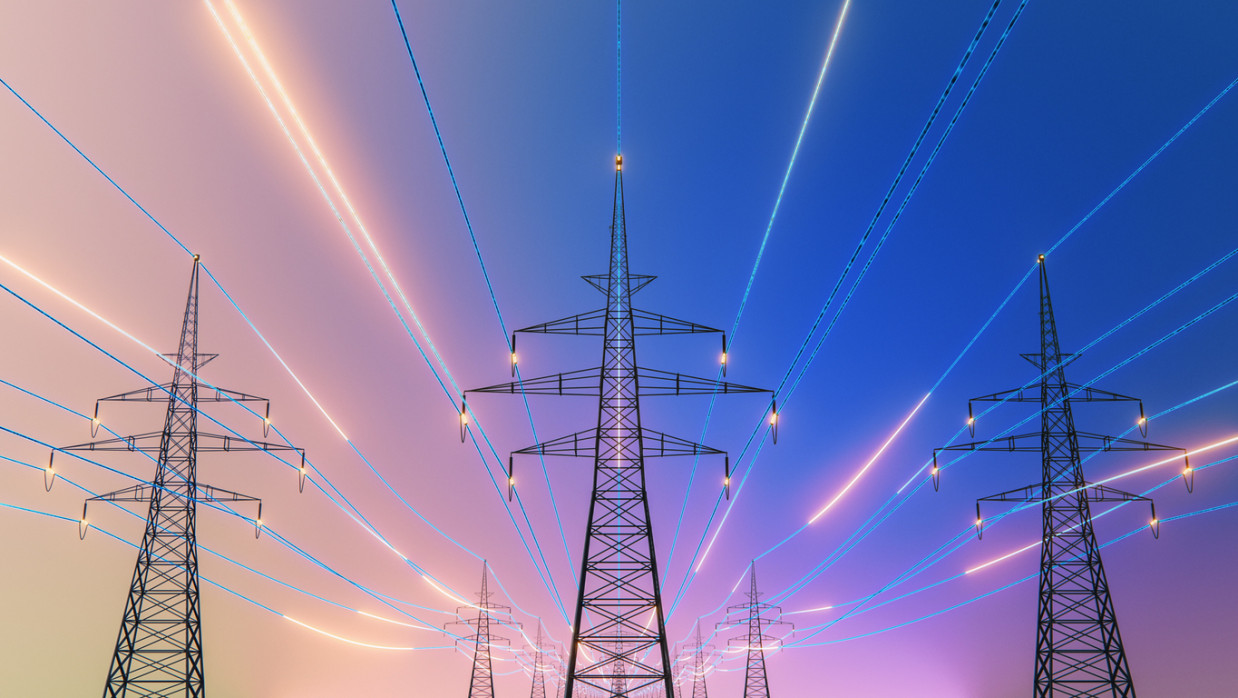
Investment targeted for grid modernization is equally necessary. A grid that is outdated and ineffective contributes to not only technical losses and circular debt but also the limitation of renewable energy integration. Upgrading transmission and distribution infrastructure will, on the one hand, allow the penetration of decentralized solar, wind, and battery storage to a higher degree, and on the other hand, will increase reliability and lower costs. Therefore, the investments in grid act as a connector between financial reform and technological transformation while strengthening the whole ETIP's viability.
The energy transition, apart from financing and infrastructure development, does also provide economic benefits that are of>> the larger scale. A new, cleaner indistinct energy mix can not only improve the industrial positive aspect of the sector by the energy cost lowering but also make the industries less exposed to the fluctuations in the prices of fuels. It can encourage the local manufacturing, green jobs creation, and the going of the innovation in all the areas of the energy value chain. To add on to that, the participation in the future such as carbon markets may grant the country with more than one source of income while at the same time making Pakistan a partner in the global decarbonization efforts.
To conclude, the Energy Transition Investment Plan, UNESCO, and UN-ESCAP have supported changes, with the help of new a new approach which is the strategic, investment-driven one. It has the vision that the challenges related to energy, climate, and finance are all interconnected and that their solution needs a common action to be taken across the different institutions and the markets. By the application of this strategy, Pakistan will have the chance of turning its energy crisis into a source of sustainable li foxes.
Political will, coordination between institutions, and engagement with stakeholders, among others, will be the major factors that the country will need in its task of moving forward. Through the provision of policy and technical support by UN-ESCAP, Pakistan becomes in a better position to transform ambition into action and also to turn action into impact. Besides, a climate-aligned ETIP that is bankable can not only guarantee the energy future of Pakistan but also give the world a signal that the country is ready to be at the forefront of the transition to a more resilient, inclusive, and sustainable economy.


0 Comments
LEAVE A COMMENT
Your email address will not be published