

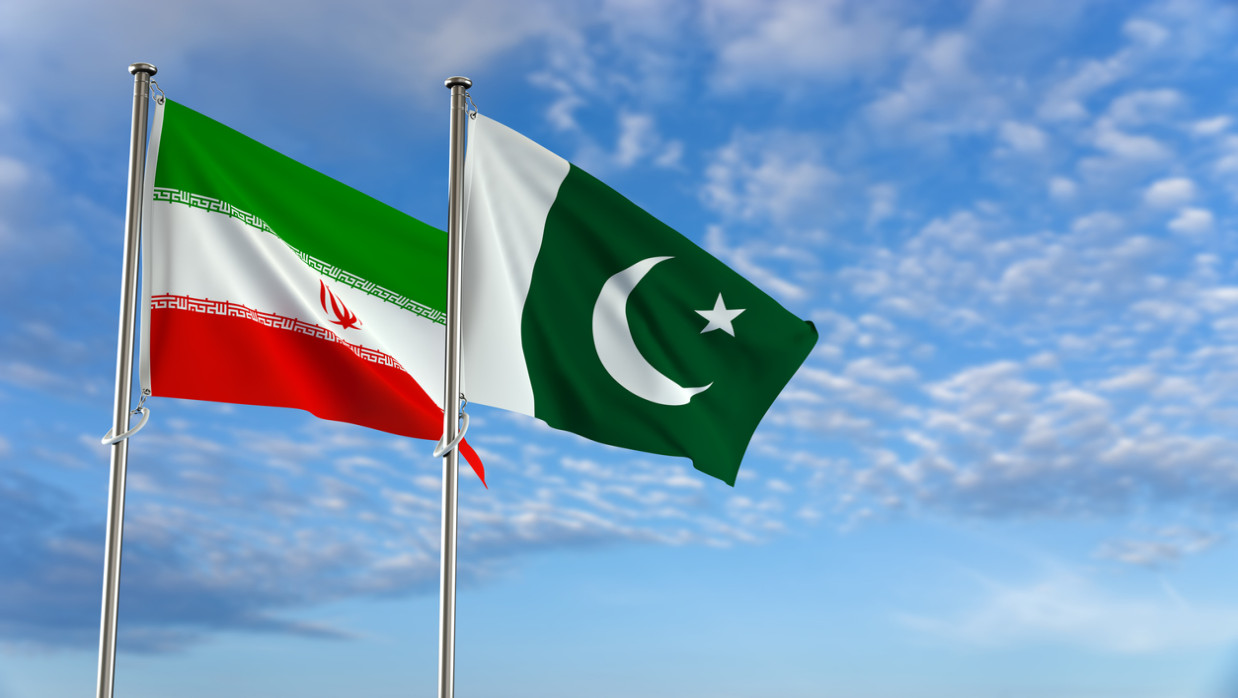
On 08 January, 2026 Pakistan’s launch historic first-ever ferry service from Karachi to Chabahar Port in Iran, marks a pivotal moment for the country's maritime industry. This development is not just about improving regional connectivity; it is a significant step toward realizing the full potential of Pakistan’s blue economy.
Regional Connectivity
The ferry service, which can carry up to 240 passengers per trip at a round-trip fare of Rs 50,000, promises to enhance Pakistan’s connectivity with Iran, an important neighbour in the region. The trip, lasting 12 to 14 hours, will facilitate easier and more efficient travel between two strategically important ports. The inauguration of this ferry terminal at the Karachi Port Trust, as articulated by Federal Minister for Maritime Affairs Muhammad Junaid Anwar Chaudhry, highlights the government's commitment to modernizing Pakistan’s maritime infrastructure and integrating the country more effectively into regional and global trade routes.
In a broader context, this ferry service enhances bilateral relations and opens up the door for both countries to explore new avenues of collaboration. Iran’s Chabahar port, located on the southern coast of the country, has long been seen as a vital entry point for trade between Central Asia and the rest of the world. The ferry service, thus, provides Pakistan with an invaluable opportunity to access a bustling trade route, increase cross-border interactions, and promote both business and tourism.
Blue Economy
Prime Minister Imran Khan’s vision of expanding the blue economy finds its roots in this initiative. The launch of the ferry service is not just a transportation project it is part of a larger strategy to harness Pakistan’s coastal and marine resources. The country, with its long coastline and proximity to vital international maritime routes, holds immense untapped potential. By developing its maritime infrastructure, Pakistan could unlock opportunities in various industries, including shipping, maritime transport, and coastal tourism, ultimately boosting its economic growth.
The concept of the blue economy, which focuses on sustainable use of ocean resources for economic growth, improved livelihoods, and jobs while preserving the health of ocean ecosystems, is central to this project. By tapping into Pakistan's marine and maritime resources, the ferry service could catalyze further developments, including marine tourism, fishing industries, and port-led economic initiatives.
The ferry service can act as the backbone for future investment in these areas. Its launch offers a springboard for the private sector to participate more actively in the blue economy. This includes opportunities in coastal hospitality, transport, and related sectors, all of which stand to benefit from increased connectivity and tourism. The government’s facilitation of the private sector in this domain is evident in its investment-friendly policies, which aim to create a robust ecosystem for sustainable business ventures.
Tourism
Tourism, particularly coastal tourism, has been a neglected sector in Pakistan for decades. The Karachi-Chabahar ferry service is set to change this. As regional and international tourists become more aware of the opportunity to travel between Pakistan and Iran, the service will likely attract visitors who are eager to explore new maritime routes, coastal destinations, and cultural experiences in both countries.
While Pakistan boasts of some of the most pristine and untouched beaches in the world, it has historically struggled to capitalize on this asset. The ferry service, however, provides the perfect platform for showcasing these attractions to a global audience. By improving transportation links, the government can now promote coastal tourism more effectively, creating a new avenue for foreign exchange earnings and local economic activity.
Furthermore, the ferry service could encourage cross-border tourism, where travelers from both Pakistan and Iran visit each other’s coastal cities and heritage sites. The development of such a tourism corridor between the two countries could have a lasting impact on the regional economy, encouraging cultural exchange, enhancing bilateral ties, and promoting peace and stability.
New Industrial and Economic Prospects
The ferry service is just the beginning. With plans already underway to develop an industrial zone around Pakistan’s ports, this project could serve as a catalyst for further port-led developments. The industrial zone will offer new investment opportunities, especially in the areas of manufacturing, logistics, and trade. It will help create jobs, stimulate industrial growth, and increase Pakistan’s export capacity, all of which are vital for the country’s economic development.
Pakistan’s proximity to the Arabian Sea and its strategic location as a gateway to the Central Asian markets make it an ideal candidate for such industrial development. The Karachi-Chabahar ferry service opens up the possibility of deeper integration between regional markets, which could boost Pakistan’s exports and enhance its position as a key player in the regional trade ecosystem.
Economic Diversification
A key feature of the ferry project is the active involvement of the private sector. This initiative not only creates immediate economic benefits through enhanced tourism and trade but also lays the groundwork for longer-term private sector participation in maritime activities. From ferry operations to port management, there are numerous opportunities for private enterprises to get involved.
The government’s role in creating an enabling environment through favorable policies and infrastructure investment is commendable. By doing so, it helps stimulate economic diversification, reducing reliance on traditional sectors and opening new avenues for growth. This collaboration between the public and private sectors will be crucial for the success of the blue economy and the realization of its full potential.
Despite the promising outlook, the ferry service faces a number of challenges that need to be addressed. These include ensuring consistent operational efficiency, maintaining high safety standards, and creating awareness about the new service among potential travelers. Additionally, as the service expands, there will be a need for adequate infrastructure at both ends of the ferry route to ensure smooth operations. This includes customs facilities, tourist amenities, and further transportation links to nearby cities.
Furthermore, Pakistan’s port infrastructure, although improving, still faces bottlenecks and inefficiencies. For the ferry service to reach its full potential, it is crucial that these issues be resolved to avoid any operational delays and enhance the overall travel experience. By embracing the promise of maritime tourism and the blue economy, Pakistan has taken a crucial step toward a prosperous and sustainable future, not just for its own citizens but for the broader region as well.

0 Comments
LEAVE A COMMENT
Your email address will not be published