

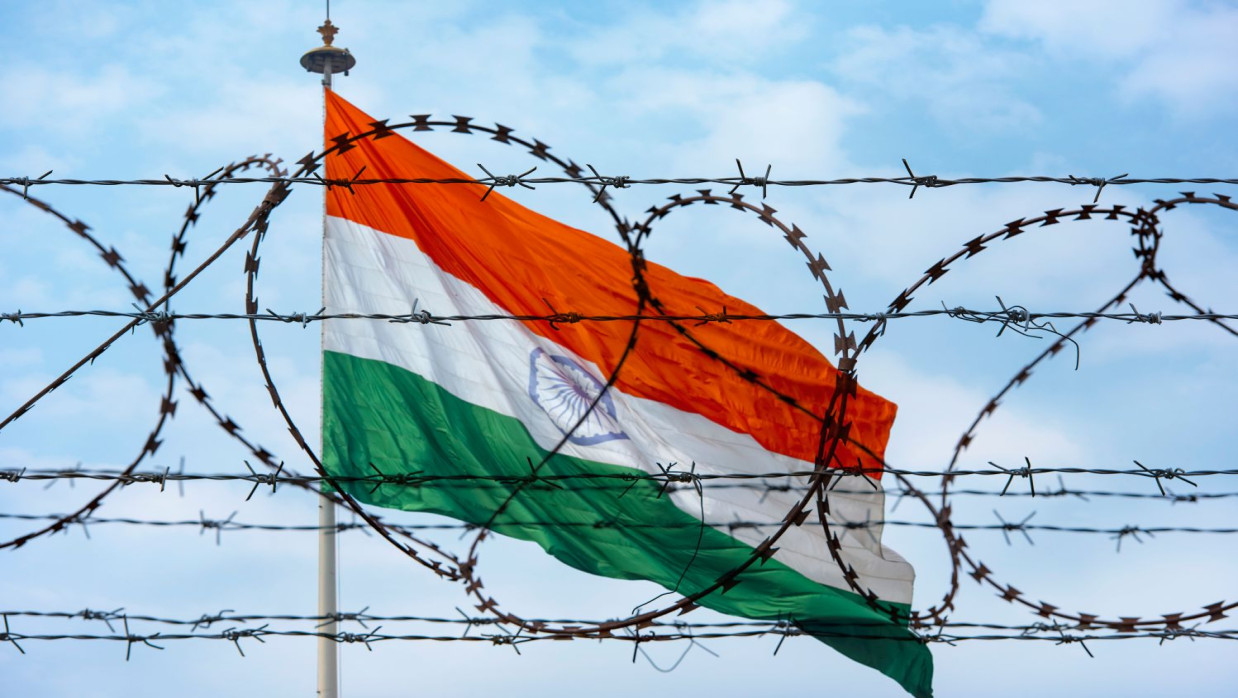
For decades India has maintained a foreign policy which demonstrated its "strategic autonomy" that allowed India to operate freely from external control while it balanced international forces and pursued its own national objectives. The concept which once defined New Delhi's international relations now faces a fundamental challenge because US sanctions and global political forces have diminished India's power to exercise strategic autonomy. The outcomes of the situation appear through delayed initiatives, weakened relationships, and India's difficult process of adjusting its international presence.
The decreasing power of India to maintain its independent foreign policy path manifests most clearly through the ongoing situation at Chabahar Port and India-Russia energy relations. The two initiatives should have demonstrated India's capacity to maintain its own foreign policy path. The two initiatives have created a foreign policy system which depends on minor international partnerships instead of following India's strategic national interests.
Chabahar: From Strategic Keystone to Funding Deadlock
The Chabahar Port development project in southeastern Iran became India's first strategic autonomy demonstration when it signed its initial development agreement. Chabahar port provided New Delhi with an economic corridor that bypassed Pakistan because it connected Afghanistan with Central Asia through its location outside the Strait of Hormuz. The port served as an essential economic resource for Afghanistan which depended on India as a regional power to establish control over its territory.
The initial promise has now faded away. Chabahar port funding has become extremely limited because major financial releases have not occurred during the past few years. The Union Budget of India failed to demonstrate any signs of renewed dedication through its budget distribution which did not provide substantial funds needed to restart construction and infrastructure development projects. The New Delhi government declared the port to be essential for its operations but the actual situation experienced a widening gap between what officials said and what existed.
Chabahar has evolved into a strategic base which shows Indian-Iranian relations through its role as an essential element of their partnership yet both countries keep it unused during times of international power issues. The funding halt operates as a comprehensive bureaucratic stop because it shows how India perceives that Western sanctions would bring excessive political and economic and diplomatic repercussions to his country.
Russia and the Vanishing Russian Oil Deal
The Indian government refuses to acquire Russian crude oil because Western countries have imposed sanctions which creates a negative perception that India has lost its ability to independently make strategic choices. New Delhi has prevented new contracts for Russian oil because international energy markets face turmoil and energy security matters have become a top priority for all countries.
India expected Russia to continue its role as a strategic partner for defense cooperation while providing energy resources that would counter Western power. India decided to abstain from voting because it wanted to see how far the United States would allow Russian connections. India used to depend on its friendship with Moscow to create energy partnerships which helped it maintain its independence now that energy relationships with Washington are more beneficial for the country.
The decision goes beyond economic considerations because it functions as a signal of geopolitical importance. The Indian government faces a choice between sustaining its strategic alliances and protecting itself from punishment so it chooses the second option. The United States now determines foreign policy decisions through compliance processes instead of granting countries the power to make independent choices.
The Myth of Independence in Practice
The funding collapse for Chabahar and the lack of Russian oil purchases demonstrate that India has proven its strategic autonomy claim to be an empty statement. The statement now functions as an empty mantra that government officials use in their speeches and official documents because they do not intend to implement their commitments during critical situations.
India established its autonomy to enable itself to maintain equal diplomatic relations with its competing nations while conducting international relations without the fear of facing negative consequences and pursuing its national objectives without needing to follow outside requirements. India has developed a tendency to follow the preferences and demands of stronger nations because realpolitik has pushed the country toward that direction. India needs to address its competitive challenge from China while maintaining its economic ties with Western countries and their trade networks because Western nations control the global financial system through their ties to Western institutions.
India's foreign policy decisions show that the country now prioritizes its core survival needs instead of pursuing broad national objectives. The country needs to protect its access to Western markets and financial systems and diplomatic relationships because it sees these assets as more important than pursuing high-risk policies which would provide greater national control.
Abandoned Allies and Eroded Credibility
The diplomatic fallout extends beyond India’s borders. New Delhi now views Iran and Russia as partners who resist Western pressure according to Indian policy circles. Iran backed India to join Chabahar because they wanted to use it as a way to counter regional isolation but Indian funding for the port has stopped because of ongoing sanctions. New Delhi has suspended energy partnerships with Moscow because of geopolitical restrictions according to officials who only provided vague information about their compliance with sanctions.
The current situation shows potential partners that India only makes temporary commitments which can be easily undone through external pressure. New Delhi loses credibility because this situation requires trust-based relationships to function while it undermines its own self-declared independence.
Strategic Reliance
India’s current geopolitical stance shows a shift towards safe international ties which takes precedence over its previous alliances with other nations. The nation has lost its ability to make independent decisions because it now bases its decisions on three factors which include the threat of sanctions and its level of economic ties with other countries and the needs of diplomatic relations.
India should have used its strategic autonomy to build relationships with more partners while it developed new energy sources and continued close ties with Iran and Russia and its Western partners. India now depends on other nations because its foreign policy choices follow their interests instead of its own declared objectives.
Conclusion: The Costs of Capitulation
The current foreign policy direction of India shows its shift from independent operation toward strategic compliance because the country stopped funding Chabahar and ceased buying new Russian oil. The independent diplomacy myth shows its limitations which ultimately reduces international relations to sanctions evasion and sensitivity to geopolitical factors because the strategic approach controls diplomatic actions.
Policymakers need to address the fundamental truths which recent choices revealed to restore India's strategic independence narrative. The country needs to demonstrate its independence through active diplomatic efforts which protect national interests during times of outside pressure.
India will lose its ability to achieve international goals because its failure to take action currently leaves its global ambitions in the background, where empty slogans exist without real progress toward independence.

0 Comments
LEAVE A COMMENT
Your email address will not be published