

The recent elimination of a Bangladeshi terrorist linked to the Fitna-al-Khwarij (FAK) network in Karak has once again underscored the evolving nature of terrorism confronting Pakistan and the region. The militant, identified as Faisal Hussain Morol, alias Saad, hailed from Dath Khali village in Bangladesh’s Madaripur Sadar Upazila. Once a small perfume shopkeeper, he had told his family he was migrating to the UAE for employment. Instead, he was radicalized and ended up infiltrating Pakistan from Afghanistan—only to be neutralized by Pakistan’s security forces. His case is more than an isolated incident; it is a stark reminder that terrorism today is no longer a localized phenomenon but an interconnected transnational menace.
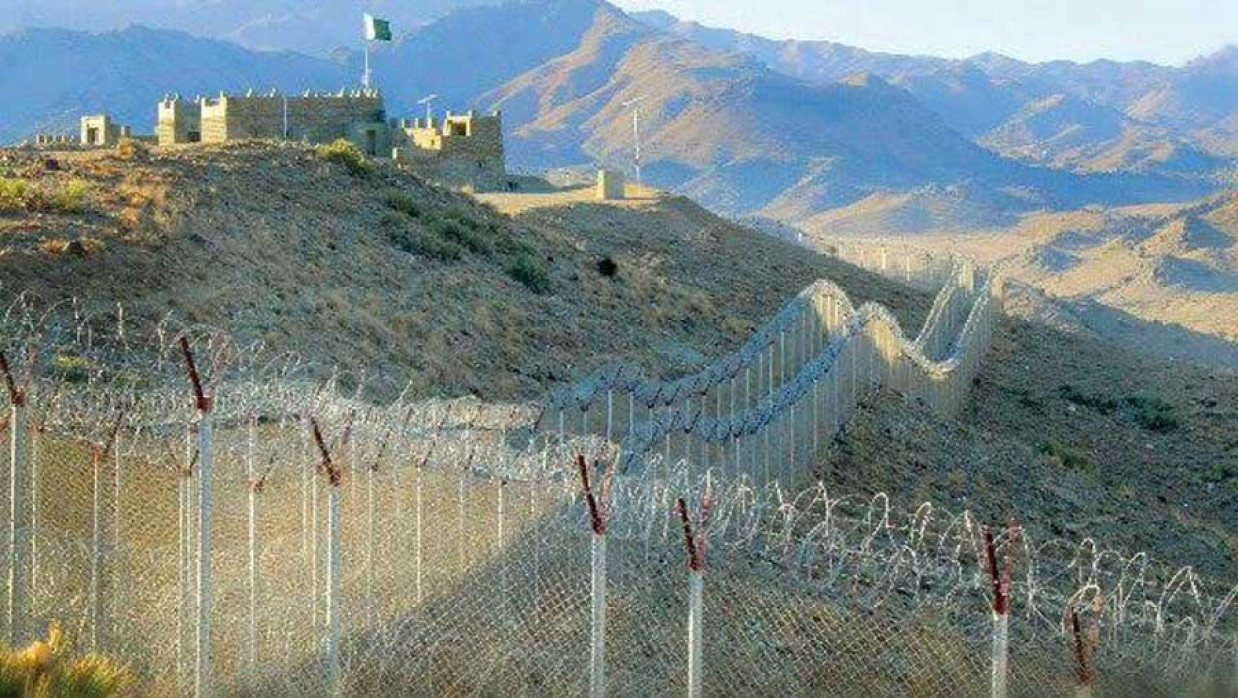
This operation reflects Pakistan’s zero-tolerance approach toward terrorism in all its forms. Yet, it also highlights the alarming fact that groups like FAK are no longer limited by geography or ethnicity. They are exploiting socio-economic vulnerabilities across borders—recruiting from countries like Bangladesh, facilitating movement through Afghanistan, and attempting to destabilize Pakistan. The Karak incident illustrates this dangerous convergence, where radical ideologies, porous borders, and weak regional counterterrorism cooperation intersect.
At the heart of this transformation lies the Khwarij strategy of exploitation. Terrorist networks like FAK prey on the economically vulnerable, converting poverty, unemployment, and desperation into tools of radicalization. Faisal’s journey—from a struggling shopkeeper to a foreign fighter—is emblematic of how extremist recruiters operate. They offer disillusioned individuals a false sense of purpose and belonging, manipulating their grievances into ideological warfare. This strategy has allowed FAK to extend its reach beyond Afghanistan and Pakistan, embedding itself within regional socio-economic fault lines.
The case also exposes the continuing misuse of Afghan soil as a launchpad for cross-border terrorism. Despite repeated assurances from Kabul, Afghan territory remains a sanctuary for groups plotting attacks against Pakistan. FAK’s ability to facilitate the movement of foreign recruits across borders speaks volumes about the inadequacy of Afghan counterterrorism controls and the permissive environment these networks exploit. If left unchecked, Afghanistan risks becoming the epicenter of a new wave of transnational jihadist activity, threatening not only Pakistan but regional stability at large.
Equally important is the responsibility of Bangladesh and other states from where such recruits originate. The fact that a Bangladeshi national could be radicalized, trafficked through multiple countries, and end up in Pakistan underscores gaps in intelligence sharing, border security, and counter-radicalization strategies. Dhaka must intensify its domestic counter-extremism efforts, strengthen regional intelligence cooperation, and dismantle recruitment pipelines before individuals like Faisal ever leave home soil.
Pakistan, for its part, continues to demonstrate both resolve and capability in neutralizing terrorist threats. The Karak operation is part of a broader counterterrorism doctrine that prioritizes preemptive action, intelligence-driven operations, and a whole-of-nation approach. Yet Pakistan alone cannot bear the burden of confronting a threat that is increasingly transnational in character. Effective counterterrorism now demands collective responsibility—from Afghanistan to Bangladesh and beyond.
The elimination of Faisal Hussain Morol should serve as a wake-up call to regional governments and the international community. It is proof that terrorism is evolving into a borderless enterprise, capable of exploiting economic despair in one country, logistical loopholes in another, and operational vulnerabilities in a third. Unless regional actors coordinate their responses—sharing intelligence, securing borders, dismantling recruitment networks, and countering extremist propaganda—groups like FAK will continue to adapt, expand, and strike.
In the end, Faisal’s story is a cautionary tale. It shows how a single individual’s vulnerability can be weaponized into a transnational threat. It reveals the shifting dynamics of terrorism in South Asia, where ideology, geography, and socio-economic conditions converge to produce new and dangerous forms of militancy. Most importantly, it reaffirms Pakistan’s determination that no terrorist—regardless of origin—will find safe haven on its soil. But for this fight to succeed, Afghanistan and Bangladesh must also rise to the challenge, because the battle against terrorism today is no longer just Pakistan’s fight—it is a shared regional imperative.


0 Comments
LEAVE A COMMENT
Your email address will not be published