

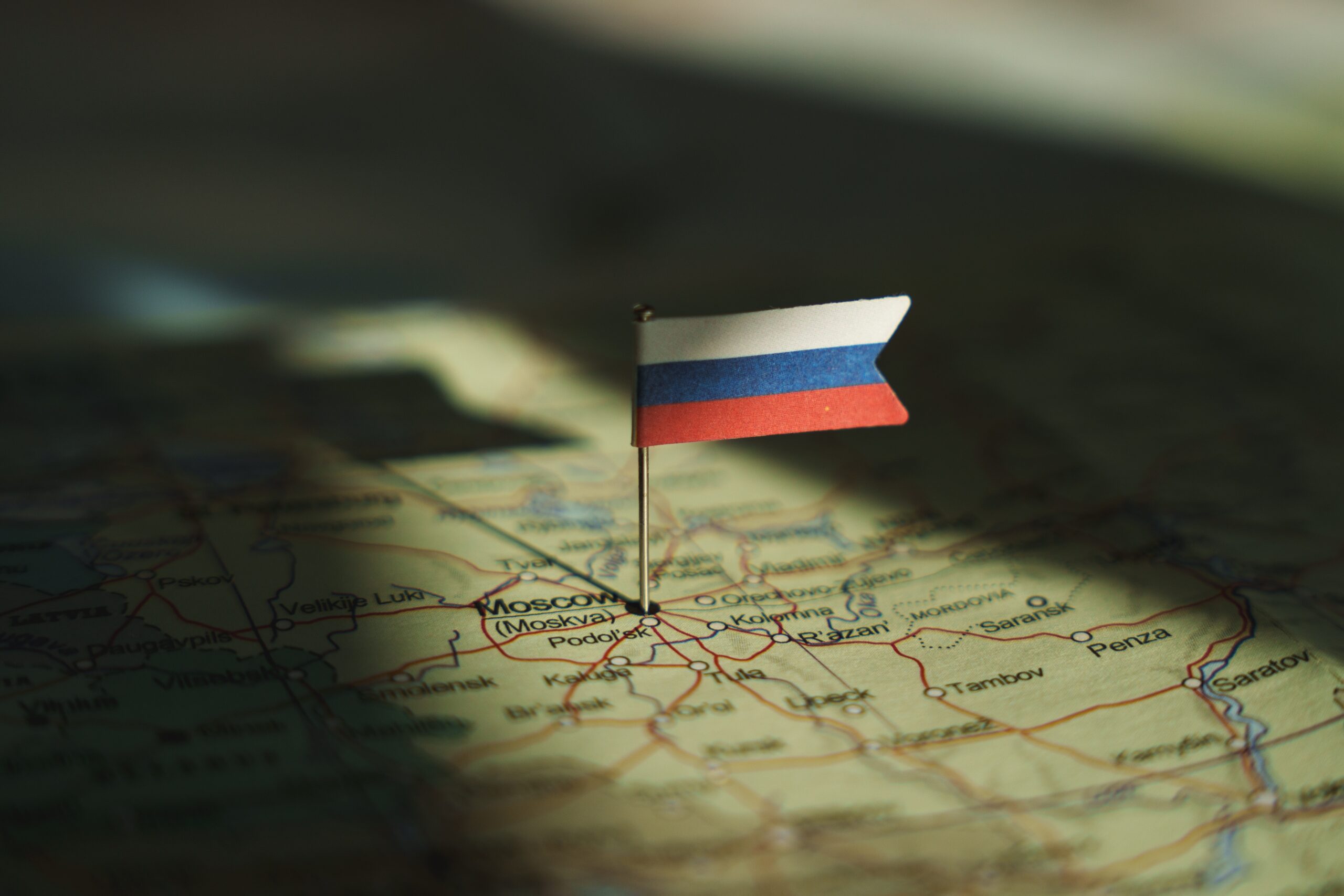

With the prominence of Vladimir Putin on Russia’s political scene since the dawn of the new century, the pro-Western tilt in Russian foreign policy began to receive headwinds with passage of time. He began to view the collapse of the Soviet Union and the leaders who had their roles in it and who tied the path of Russian progress with the ‘Look West’ foreign policy as disgrace to Russian history although he took time to shift the course. Russia had followed a course of pro-western foreign policy immediately after its collapse of the Soviet Union by seeking more political and economic integration with the West under the tenure of President Boris Yeltsin.
Putin carried the belief that by allowing and facilitating the Soviet Union’s collapse, the leaders had sacrificed the country’s glorious past of the Soviet era. Hence, he sought to restore to Russia its glorious history and unified culture again by embarking on a path of reuniting the disintegrated members through application of carrot and stick policies. Wherever his plan to install a pro-Russian regime in the neighborhood failed, he switched to use of intimidation and force.
However, he sought to buy time to strengthen Russia first. He cooperated with the US in the areas of mutual interest such as he saw Russia’s interest being served by joining the US-led Global War on Terror and containing Iran’s nuclear ambitions. Putin argued authoritarian governance was key to stability. He saw the wave of protests against authoritarian rulers in the Middle East under the rubric of ‘Arab Spring’ as external powers ploy to brew instabilities and bolster radical groups in the region. He doubled down on his approach to containing the US role in propping up these protests. Russia under Putin’s leadership could craft healthy relationships with authoritarian regimes of the region from Iran, Egypt, Saudi Arabia, Syria to Israel. Israeli leader Benjamin Netanyahu sought to consolidate his political control over Israel including disputed territories perhaps by considering Putin’s centralized leadership as his role model. The success of Putin’s approach can be measured from the friendly ties he cultivated with regimes having adversarial relations such as between Israel on the one hand and Iran and Syria on the other. His maverick diplomatic strategies blended with rising power allowed Putin to annex Crimea in 2014 without overwhelming resistance from the West.
When Russia first moved its forces into Ukraine in 2022 in a bid to occupy it, the reactions of the states in the Middle East were muted. Israel and the US under Trump even went to the extent of voting against the UN resolution that condemned Russian aggression against Ukraine. Once Donald Trump was elected to the helm of American politics for the second time, Putin could also attract him with his charm offensive.
Russia’s Erosion of Influence
The protracted Russian entanglement in Ukraine began to change its equations with neighbouring states and worked towards undermining its hegemony in its periphery including in Southern Caucasus, Central Asia and East European region. Russia was forced to begin to move its forces and resources away from these areas to Ukraine that allowed these countries more autonomy to work collectively to diversify their military and trade relations with other countries.
As Israel began its massive indiscriminate military campaign against Hamas in reprisal to the latter’s brutal attacks across Israeli territory on October 7, 2023, Russian influence began to decline in the Middle East that was assiduously built by Putin over the years. Israeli protracted campaign against Hamas spilled over to the outfit’s supporters including Hezbollah and its patron Iran which had a ripple effect on Russia and began to substantially weaken it. Putin could not condemn Hamas for its despicable act as Israel expected because he considered this an outfit fighting for national liberation. He could not criticize Israel either for its indiscriminate military campaign that took massive toll on innocent Palestinians. Fall of Assad regime in Syria to which Russia had long bolstered raised questions over Russia’s abilities to protect its partners in the Middle East. Israel’s missile attacks against Iran’s nuclear facilities, killing of nuclear scientists and officials and the American direct military involvement later in order to further weaken it pushed Tehran to seek desperate military assistance from Moscow. Russia, however, could not come to its ally Iran’s rescue fomenting anger taking forms of despair expressed from among different quarters of Iran. Iran provided military support to Russia whenever the latter needed in its war against Ukraine. Moscow, to the utter frustration and dismay of many Iranians suggested mediation between the US and Iran. Russia’s gradual erosion of capabilities and resources with prolonged entanglement in Ukraine raises a genuine and relevant question whether Moscow’s desire to restore its lost territory to ensure its Soviet era glory is worth the massive loss of influence it has incurred.


0 Comments
LEAVE A COMMENT
Your email address will not be published