

Before we can benefit our neighboring country, we should benefit our own country. This is what Bangladesh needs to do.
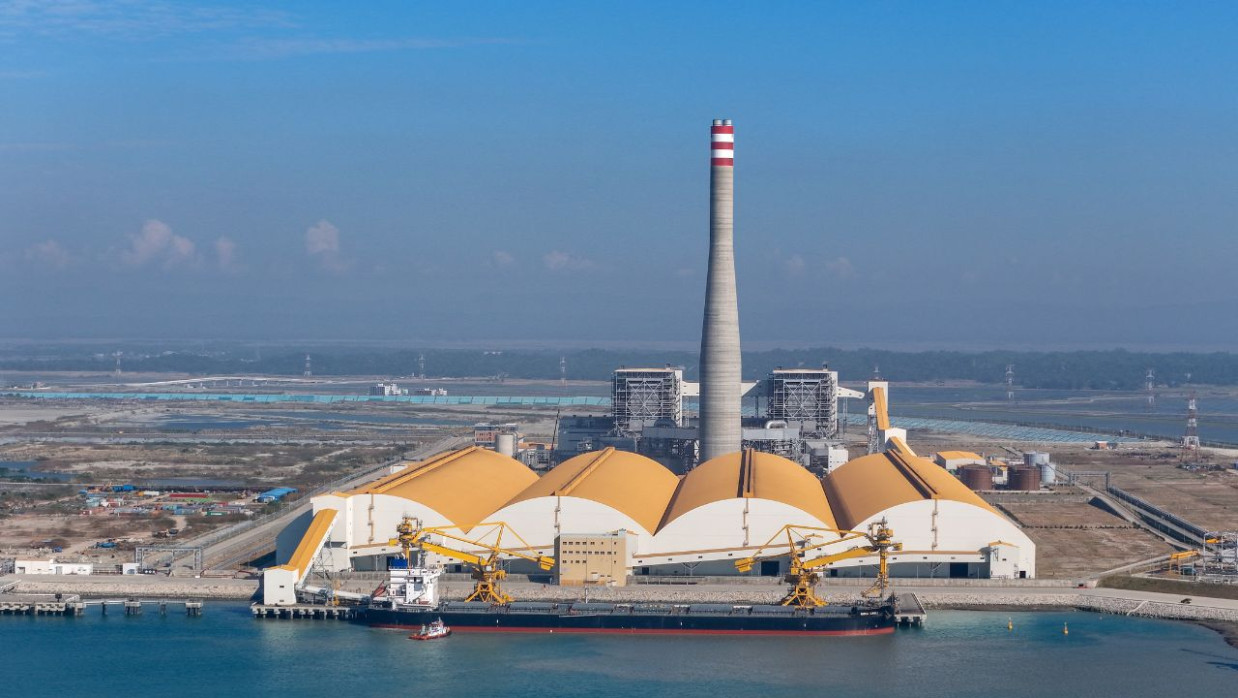
With Japan, Bangladesh has one of its biggest opportunities to industrialize. The Bay of Bengal Industrial Growth Belt (BIG-B). The focus will be around Matarbari and its vicinity. Not only to develop the Matarbari area but also to create a pathway between Bangladesh and the rest of the world through ports and industries. Now that it has been proposed that India should also benefit from this project, we should question whether this is really beneficial for Bangladesh. There are many factors to consider when giving another country this opportunity. Economy, National interest, security, etc.
Japan has always supported Bangladesh's industrial growth. Many of the key industries that Japan has helped build in Bangladesh have created significant growth for the nation. Since its introduction in 2014, the Bay of Bengal Industrial Growth Belt has enabled the development of Matarbari Port and many other industrial projects. With better ports and industrial growth, Bangladesh can grow as an industrial country.
Bangladesh relies on its ports for much of its trade. Improving the infrastructure of Bangladesh's ports will allow for more efficient transport of goods. With proper development of ports and industrial areas, Bangladesh can attract more business to its ports. By building new railway lines, improving existing ones, and reducing customs wait times, Bangladesh can open its ports to many new businesses.
Bangladesh should ensure that Big B helps Bangladesh develop first, and only then benefits India.
Big B by Japan can be very helpful for Bangladesh's development if used correctly. It can play a big role in helping our country grow industrially and connect with other parts of the world. By developing Matarbari and surrounding areas, we can achieve this goal. But what about the benefits for India?
Japan has helped Bangladesh in many fields over the years. From building our infrastructure to providing aid, they have done wonders for our country. With Big-B in mind, we can hope that Japan will continue to build in Bangladesh. This project was introduced in 2014 and hopes to improve Matarbari. It includes a port, power, and highways. Moheshkhali-Matarbari Integrated Infrastructure Development Initiative.
Bangladesh needs to increase production to meet global demand. A good port system can help our products leave the country quickly. Then we can better compete with other countries that have good ports and road systems that lead to them. With a well-built port system, we can improve our economy.
However, infrastructure development must be distinguished from the geopolitical arrangements that may subsequently emerge around it.
India's northeastern states, connected to the rest of the country through the narrow Siliguri Corridor, face longstanding transportation and logistical challenges. Access to Bangladesh's maritime infrastructure could offer these states shorter commercial routes, lower transportation costs, and additional opportunities for industrial development. Such connectivity could also strengthen regional supply chains and increase cargo throughput at Bangladeshi ports.
There could also be advantages. More cargo passing through the ports can bring higher port receipts. There could also be transit revenue, job creation, and other development opportunities in Bangladesh. However, we need to ask whether the advantages will be shared equally and whether Bangladesh will have sovereignty over its own assets.
As mentioned before, Bangladesh and India share many problems. These include economic, cultural, and even geographical issues. Some of these problems include water distribution between the two countries, such as the sharing of the Teesta River and the Ganges. Border disputes and trade between the two countries have also caused friction.
Recently, when India stopped transshipment services for Bangladeshi cargo exports in April 2025, we saw what can happen without agreements or guidelines. With proper measures in place, there would be no need to worry about situations like these.
Ever since Hasina left power, Bangladesh has been dealing with political tension between the two countries. Many questions have been raised about why she is staying in India, and whether India is playing politics in a way that may affect Bangladesh. Bangladesh needs to look into these claims and gather evidence, rather than assume they are acting against our government.
We are not only dealing with political tension, but also facing many problems on our Southeast border. From Myanmar's instability in Rakhine State and the Arakan Army expanding their territory. To us having to house over 1 million refugees from Myanmar.
As we know from the past, our hill tracts have also had trouble. With past conflicts and issues we haven't fully resolved. We have to question whether any forces are helping them gain arms. These are all things that we must consider before opening up more international agreements.
Bangladesh should ensure that, when establishing these types of agreements, we know what cargo is allowed through. What vehicles will be traveling and how much weight they can carry on each axle. How cargo will be inspected and monitored at the border. Who will handle any road damage or repairs. Insurance will need to be in place, and rules set for commercial or political disputes. These agreements need to be clear and allow Bangladesh to profit from these routes.
Equally important is the distinction between regional development cooperation and legally binding transit commitments.
The proposed expansion of BIG-B under the concept of shared prosperity has encouraged discussion of broader regional connectivity. Japanese cooperation with Bangladesh and parallel Japanese investments in India's northeastern states may be economically complementary. However, such complementarity does not automatically create a bilateral or trilateral agreement that grants third-country access to Bangladesh's strategic infrastructure.
Therefore, some level of public information regarding what Bangladesh committed to in these meetings needs to be revealed. Opening up parliament and disclosing these pacts can only go so far, but an economic analysis of these deals can provide more transparency.
International relations also need to be considered. The Bay of Bengal is becoming a hotspot for Japan's Free and Open Indo-Pacific Initiative. China's Belt and Road Initiative. India's push to connect South and Southeast Asia, and the US's foreign interest in the region. Bangladesh sits in the middle of these countries and could benefit all parties as a port and industrial hub.
This also comes with caution. We do not want Bangladesh to fall into the trap of these nations' foreign policy. These countries need to provide Bangladesh with something beneficial to our economy. Technology, environmentally friendly projects, etc.
It is possible to protect Bangladesh's interests while allowing other nations to benefit. There is no reason we cannot connect to India once the Matarbari project is complete, and connecting to a wider area would be very profitable.
Bangladesh should focus on completing its ports and building more industrial capability within its own borders. It should improve supply chain management and better leverage its ports. When that time comes, we should open up to connecting with India on mutually beneficial terms.
Outstanding bilateral disagreements need not become absolute obstacles to every commercial initiative, but they cannot be ignored when arrangements involve strategically important infrastructure.
Ultimately, BIG-B should be judged not by how many countries it connects, but by its contribution to Bangladesh's economic transformation. Regional prosperity is a legitimate objective, provided it strengthens rather than compromises the country's sovereignty and long-term development.
With the Bay of Bengal, Bangladesh can grow into one of the world's great sea powers. If it invests properly, builds strong institutions, and maintains diplomatic equilibrium, Bangladesh can become a great nation. However, Bangladesh needs to play a big role in shaping its maritime domain and benefit from it.


0 Comments
LEAVE A COMMENT
Your email address will not be published