

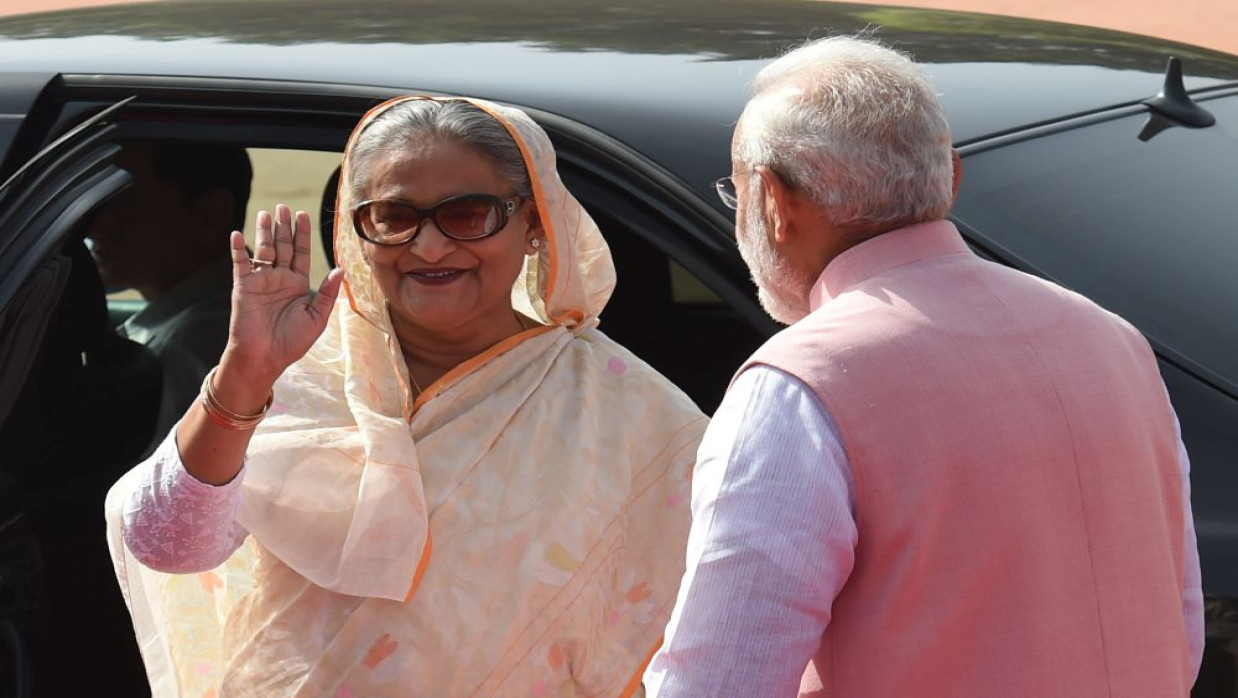
Bangladesh's former Prime Minister Sheikh Hasina is back in the political spotlight with her latest announcement that she will return to Bangladesh around December 20 and be ready to face the court, knowing well that she may get arrested and her life may be in danger. Said interview with Reuters. Will it happen? Only time will tell. But one thing is for sure: it has already sparked political controversy both at home and abroad.
First, it is important to consider why she decided to make this announcement now. Sheikh Hasina has, on several occasions, said she wants to return to Bangladesh, including in an interview with Indian media earlier this year. So why release this statement to Reuters, one of the world's largest international news agencies? It signals to me that she wanted this interview to reach a larger audience than perhaps the patriotic Bangladeshis rallying for her return. I believe this interview was meant for the military-backed government in Bangladesh, the Government of India, and the international community at large.
Politically, there could be many reasons for making this announcement. One, by saying she will return to Bangladesh and is ready to "face" the court, she is signaling that she does not want to be called an exile. Taking that risk by saying that she might even lose her life by returning to Bangladesh portrays her as politically courageous and shows commitment to her party and the people that support her. In South Asian politics, such messaging can be very powerful, as politicians often seek to show how much they sacrifice for their people.
Second, this announcement may very well be a message to the party itself. The Awami League has been crippled since the political turnover on August 20. With its offices raided, leaders arrested, and future in politics uncertain, Sheikh Hasina's announcement of her potential return gives party activists something to hold on to: that she has not given up the fight, nor will she live the rest of her life in exile.
But there are also plenty of hurdles yet to overcome. For one, Sheikh Hasina is facing numerous charges and would be subject to arrest warrants should she return home to Bangladesh. She would likely be arrested or jailed upon her arrival, if not sooner. And even if she avoided arrest, it's unclear if she would be allowed to remain politically active while facing charges.
Then there's her reputation with voters. She gave herself some coverage on that front in her interview with Reuters, saying, "Long-term rulers commit mistakes. No administration is perfect. We have made mistakes, and nobody can deny that." But will that be enough to sway voters? Bangladeshis remain deeply divided on her time in power. Proponents will tout GDP growth, infrastructure, and stability. Opponents will reference charges of dictatorship, oppression, and vote rigging. Only Bangladesh's voters will decide whether her party remains popular.
It's also worth noting that by speaking with Reuters, Sheikh Hasina knows her words will reach politicians, global organizations, and others watching Bangladesh's power transition.
Time will tell if she returns this December. Sometimes the announcement can be as powerful as the visit itself. If not, or if it gets pushed back further still, Sheikh Hasina has at least been effectively reinserted into the political dialogue in Bangladesh by this statement. Her party, Awami League, too. Will we see a political resurrection from Sheikh Hasina in the coming months? Or is this mainly about calibrated responses to stake her claim once more in an ever more precarious position?


0 Comments
LEAVE A COMMENT
Your email address will not be published