

A Symbolic Breach in Taliban Control
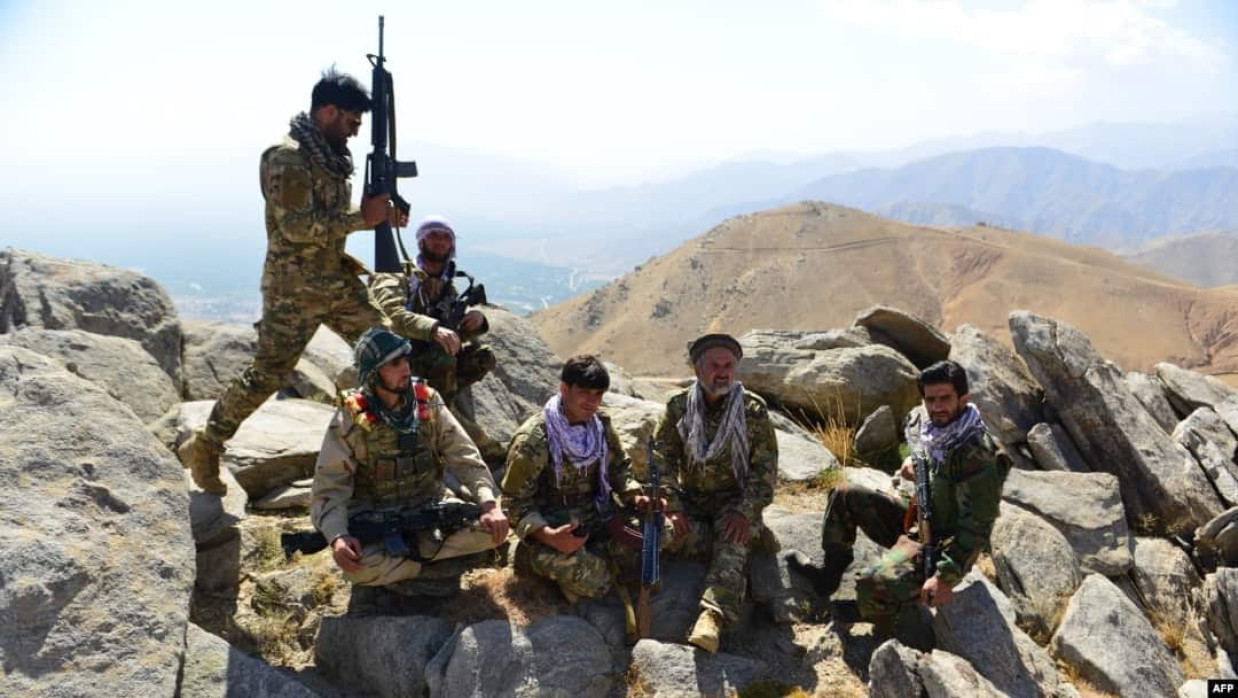
For the first time since the Taliban defeated the principal forces of the National Resistance Front in Panjshir in 2021, an armed opposition group has briefly captured a district administrative center in Afghanistan. On July 16, fighters belonging to Sepahiyan-e Mihan, translated as the Homeland Soldiers Front, stormed the headquarters of Yaftal-e-Payeen, also known as Yaftali Sufla, in northeastern Badakhshan Province.
The militants are said to have taken control of the district headquarters, arresting Taliban members, flying their own flag, and vacating after reinforcements arrived. Despite holding the HQ for only several hours, the symbolism of the strike has carried greater weight than its tactical impact. News that such a small, independently organized militia was able to breach Taliban security and momentarily oust their governance held implications. The Taliban later acknowledged that an assault had taken place but downplayed its significance. News agency Afghanistan International claimed the attack was the first time the group had shown itself in public since forming; Taliban spokesmen claimed a few suspected militants were arrested afterward.
The Commander Behind the Operation
They claim the raid was organized by Abdul Qayyum Shikarchi, alias Qayyum Khan Malang, a resident of Yaftal. Afghan opposition sources claim Malang was once part of the former Afghan National Army, later joining an elite-commando unit that carried out operations with U.S. special-operations forces.
Some reports describe him as a former “Delta Force aide.” That characterization should be treated cautiously. No independently available evidence establishes that he formally belonged to the U.S. Army’s Delta Force. It is more accurate to describe him as a republic-era Afghan commando reportedly trained by, or operationally associated with, American special forces.
Malang joined Ahmad Massoud' National Resistance Front in Panjshir after the fall of the Afghan republic in August 2021. He is said to have participated in resistance activities, including June 20's downing of a Taliban helicopter. Malang later fell out with the NRF leadership and returned to Badakhshan to rally disgruntled former soldiers and militia fighters under the Sepahiyan-e Mihan flag.
The Yaftal raid demonstrated that former Afghan commandos, many of whom were abandoned, unemployed, or forced into hiding after the Western withdrawal—retain military skills that could present a continuing challenge to Taliban rule.
Is Pakistan Supporting the New Front?
The most consequential allegation is that Pakistan’s Inter-Services Intelligence may have established contact with Malang or his associates. Such reports remain unverified, and no publicly disclosed evidence conclusively demonstrates that Islamabad financed, armed, or directed the Yaftal operation.
Nevertheless, the allegation is strategically plausible enough to attract attention. Relations between Pakistan and the Afghan Taliban have deteriorated sharply over the Taliban’s alleged protection of Tehreek-e-Taliban Pakistan. Border clashes, militant attacks inside Pakistan and disputes over the Durand Line have transformed a once-close relationship into an increasingly hostile one.
Backing local anti-Taliban warlords could give Islamabad a cheap source of leverage. Prodding instability in northern Afghanistan might compel the Taliban regime to redirect manpower and intelligence assets away from the Pakistani border. Additionally, such contacts could serve as future bargaining chips with Kabul. Still, without supporting evidence, this can only be speculation.
Why Badakhshan Matters
Badakhshan province lies on Afghanistan’s highly sensitive border with Pakistan, Tajikistan and China. Its Tajik and Pamiri majority have at times voiced opposition to Taliban rule over lack of political representation, eradication of poppy crops and sharing of profits from gold and mineral mining.
Sending Taliban army chief Qari Fasihuddin Fitrat to Badakhshan was a sign of Taliban worry, despite their attempt to downplay the incursion. Arrests of local figures and reported replacements of district, police, and intelligence leaders show the regime also realized there were critical security lapses.
The Yaftal attack does not yet amount to a sustainable insurgency. Sepahiyan-e Mihan has not demonstrated that it can hold territory, establish supply lines, or mobilize widespread support. Nevertheless, the raid punctured the image of uncontested Taliban authority. Whether it becomes an isolated episode or the opening move in a broader regional contest will depend on local grievances, opposition unity, and most dangerously, the willingness of neighboring powers to turn northern Afghanistan into another arena for proxy warfare.


0 Comments
LEAVE A COMMENT
Your email address will not be published