

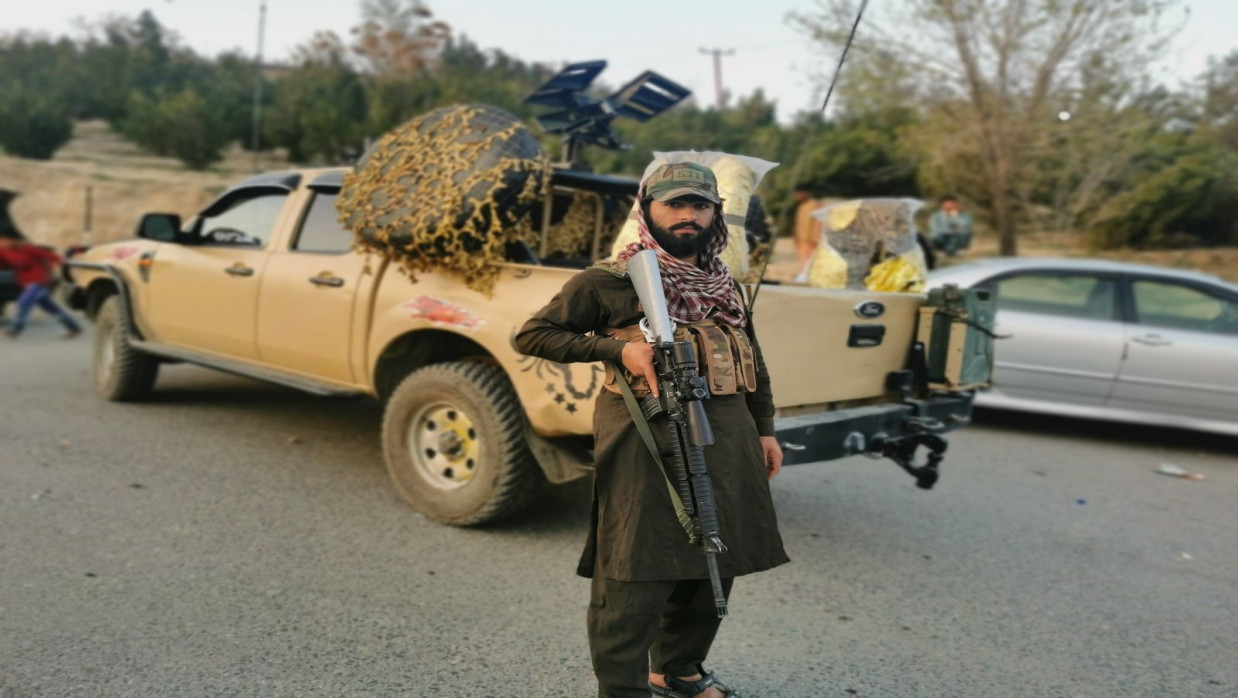
Taliban officials met European Union representatives in Brussels on June 23. Brussels said that this meeting was held to have "technical talks" with Taliban officials on the topic of returning Afghan nationals who are illegally residing in the EU, along with broader migration and consular concerns. Taliban Spokesperson Abdul Qahar Balkhi tweeted that discussions were focused on human rights dialogue. Critics, including activists, lawmakers, and Malala Yousafzai, had previously said that Europe should not hold technical or political talks with Taliban representatives, because doing so would give legitimacy or normalize a regime that committed systemic human rights abuses while previously in power. European Commission officials said that holding talks would not constitute recognition of Taliban governance by Europe.
The EU has never officially recognized the Taliban government after they regained control on August 2021. It’s no secret that EU officials have refused to recognize the Taliban regime due to their appalling stance on women and girls’ rights, silencing of political dissent, discrimination against minorities, and human rights violations in general. Yet they still held talks with Taliban representatives. How could they so blatantly ignore everything they preached?
As they say, it’s seldom black and white in diplomacy. Nations can engage and cooperate with entities they don’t recognize when it’s mutually beneficial. Brussels is hypocritical, too. The EU routinely denounces recognizing Afghanistan’s current de facto government, but still communicates with it because of migrant politics.
The Taliban delegation visited Brussels to discuss the return of Afghan nationals from the European Union. European Commission spokesperson Eric Mamer confirmed that the June meeting was held behind closed doors as a technical-level discussion. The Commission said the talks dealt with "technical" issues relating to migration matters, like consular services, processing of identification, travel documents and returns of Afghan citizens "who no longer have the right to stay in the EU legally". Officials insisted that no political recognition had taken place. The European Union has repeatedly criticized Taliban abuses, but officials said the meeting in Brussels had been requested mainly to discuss migration and consular issues and was not a formal human rights dialogue.
"We understand that many are sensitive about any type of engagement with the Taliban. But holding this technical meeting on migration and consular issues in Brussels should not be seen as political recognition of the Taliban government," European Commission spokesperson Markus Lammert said.
Still, for the Taliban the invitation had symbolic significance. Abdul Qahar Balkhi, spokesman for the Taliban Ministry of Foreign Affairs, said on Twitter that the Brussels visit was "historic" because it involved "the first ever meeting between a Taliban delegation & the European Commission & EU member states." Balkhi suggested that inviting the Taliban delegation to Brussels showed European governments were slowly becoming open to dealing with Afghanistan's de facto rulers. The EU says that such contacts fall short of recognition of governments, but others say regular contact at the official level amounts, however slightly, to further legitimation and normalization of the Taliban.
Migration pressures European Union governments to increase cooperation with the Taliban. Only two percent of Afghan nationals subject to return orders have left the EU. European countries eager to signal tougher immigration stances before right-wing political parties capitalize on migrant flows face additional pressure to remove Afghan nationals.
EU governments will have to deal with the Taliban regime if they want to deport more Afghans. Afghanistan remains a sovereign nation, and the Taliban is the only power that controls Afghanistan today. If EU countries want to establish a legal mechanism for returning Afghan migrants, they'll need to work with Afghan authorities, Taliban or not. This is the case even if the EU never recognizes the Taliban as the legitimate government.
Pakistan, China, Russia, India, and Iran have engaged similarly with the Taliban for similar reasons. Pakistan once served as the Taliban’s greatest ally. However, Islamabad’s relations with the Taliban soured after a Pakistani soldier was killed by militants believed to operate from inside Afghanistan. India engaged cautiously with the Taliban after reestablishing diplomatic ties with Afghanistan under the Taliban regime. The Modi government began talks with the Taliban in May and announced plans to reopen its embassy in Kabul. China increased investment in Afghan mines, infrastructure, and trade linkages. Russia announced that Moscow recognizes Afghanistan as the Islamic Emirate of Afghanistan, effectively recognizing Taliban rule.
Neighboring countries don't want Afghanistan to become a failed state. Pakistan wants to prevent violence from spreading across the border. India sees a stable Afghanistan as a way to balance Pakistani power. China wants stable borders and profitable contracts. Russia wants to maintain its interests in the region and keep the West at bay. Their reasons differ, but all four countries have prolonged their pragmatic deal with Afghanistan's leaders.
The Taliban want economic relief. Afghanistan holds an estimated $7 billion in assets overseas. Without access to these reserves, Afghanistan has limited means to import goods or pay civil servant wages. The Taliban want the EU to unlock Afghanistan’s assets and ease restrictions in exchange for cooperating with returns. They hope this is only the first of many conversations on reintegrating with the global economy.
A small step perhaps, but this gesture paves the way for further dialogue down the line. Continued engagement with EU officials can only benefit the Taliban’s international standing. Recognition builds on recognition. Taking Taliban cues at face value, human rights groups fear continued engagement will lessen pressure on the Taliban to change its policies.
When it comes to human rights violations, there are no right answers. Europe’s reluctant dance with the Taliban over Afghan migration is a perfect example of the realpolitik that foreign ministries reluctantly accept every day.


0 Comments
LEAVE A COMMENT
Your email address will not be published