

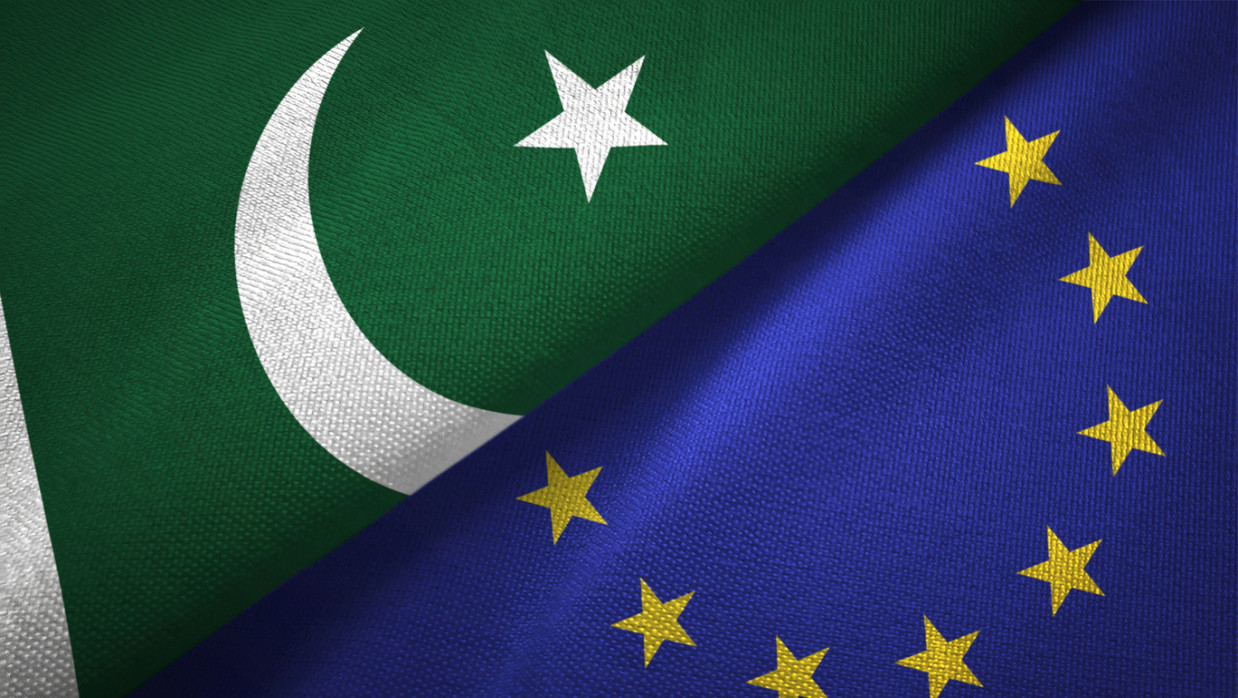
Pakistan’s relationship with Europe is entering a phase in which diplomatic engagement is increasingly being matched by economic initiatives, institutional dialogue and opportunities for investment. Long defined primarily by trade preferences, development assistance and periodic political consultations, the relationship is gradually acquiring a broader strategic dimension. Recent high-level exchanges between Pakistan and the European Union (EU), the launch of new business platforms and renewed interest in cooperation on energy, climate resilience and connectivity indicate that both sides recognise the value of a more substantive partnership.
A significant development came in April 2026, when Pakistan and the EU convened their first High-Level Business Forum in Islamabad. The event brought together public- and private-sector stakeholders to explore investment opportunities and strengthen commercial engagement. The establishment of the EU–Pakistan Business Network further provided a platform for European companies and Pakistani businesses to identify partnerships and address obstacles to trade and investment. These initiatives suggest that the relationship is moving beyond diplomatic exchanges towards a more practical economic agenda.
Trade remains the foundation of this engagement. According to the European Commission, bilateral trade in goods reached €12.2 billion in 2025, while the EU accounted for approximately 14.1 per cent of Pakistan’s total trade. The European market is particularly important for Pakistan’s textile and clothing industries, alongside leather goods and food products. The Generalised Scheme of Preferences Plus (GSP+), under which eligible Pakistani exports receive preferential access to the European market, has played a central role in expanding this commercial relationship since 2014.
Yet the next phase of Pakistan–Europe relations must be about more than preserving existing trade advantages. Pakistan’s dependence on textiles and clothing leaves its exports vulnerable to shifts in consumer demand, competition and changes in international trade rules. Greater access for value-added agricultural products, processed foods, pharmaceuticals, surgical instruments, sports goods, engineering products and information technology services could broaden the export base. Achieving this will require improvements in product quality, certification, productivity, logistics and compliance with European standards.
Investment is another area in which the relationship could deliver greater returns. European firms possess expertise in renewable energy, advanced manufacturing, agricultural technology, water management and digital infrastructure. Pakistan, meanwhile, offers a sizeable consumer market, a young workforce and opportunities in sectors where demand for technology and capital remains substantial. Cooperation through the EU’s Global Gateway strategy and related financing instruments could help mobilise investment in sustainable infrastructure, clean energy, digital connectivity and skills development. In September 2026, the EU announced €65 million in financing agreements linked to Global Gateway investments, reinforcing the importance of development and investment cooperation.
The strategic dimension is also expanding. At the eighth Pakistan–EU Strategic Dialogue, held in Islamabad on 1 June 2026 and co-chaired by Deputy Prime Minister Ishaq Dar and EU High Representative Kaja Kallas, both sides reviewed cooperation in trade, security, migration, climate change, energy and sustainable development. The dialogue demonstrated the importance of maintaining regular institutional channels at a time when international politics is increasingly shaped by geopolitical competition, economic uncertainty and regional instability. Pakistan and Europe may not always share identical positions, but sustained dialogue allows differences to be managed while preserving areas of mutual interest.
Climate change provides a particularly important avenue for cooperation. Pakistan remains highly vulnerable to floods, heatwaves, water stress and other climate-related hazards. European expertise and financing could support renewable energy, resilient infrastructure, water conservation and climate-smart agriculture. Partnerships in these areas would address Pakistan’s development needs while creating opportunities for European technology providers and investors. Similarly, cooperation in education, research and vocational training could strengthen the skills required for a more competitive and productive economy.
Nevertheless, the relationship faces important challenges. European businesses continue to encounter concerns relating to regulatory complexity, infrastructure bottlenecks and the cost of doing business in Pakistan. Political and governance issues also remain part of the bilateral agenda. The EU’s GSP+ framework links trade preferences to the effective implementation of international conventions covering human rights, labour standards, environmental protection and good governance. With the EU’s revised trade-preference framework approaching implementation in 2027, Pakistan will need to sustain engagement with European institutions and demonstrate credible progress on its international commitments. Treating these requirements as an administrative obligation alone would overlook their connection to long-term competitiveness and investor confidence.
The emerging momentum offers an opportunity, but diplomatic warmth alone cannot guarantee lasting progress. The real measure of Pakistan–Europe relations will be whether agreements produce factories, investment, jobs, technology transfers, stronger exports and more resilient institutions. Pakistan and Europe have already established a substantial foundation through decades of diplomatic engagement and commercial cooperation. Their task now is to build upon it. A relationship centred on economic modernisation, sustainable development and sustained dialogue can provide Pakistan with wider opportunities while giving European partners a more reliable and diversified relationship in South Asia. The next chapter should therefore be defined not simply by closer contacts, but by tangible outcomes that make the partnership valuable to businesses and citizens on both sides.


0 Comments
LEAVE A COMMENT
Your email address will not be published