
The American withdrawal from Afghanistan in August 2021 was intended to bring an end to two decades of military engagement. Yet, while foreign troops departed, an extensive arsenal of weapons and military equipment remained behind, creating security implications that extend far beyond Afghanistan. Four years later, Pakistan continues to confront a persistent terrorist threat, with the proliferation of former Afghan security forces’ weapons adding firepower, precision and operational sophistication to militant organisations operating across the region.
The magnitude of the equipment involved makes this legacy particularly consequential. According to the July 2023 report of the Special Inspector General for Afghanistan Reconstruction (SIGAR), the United States left behind substantial quantities of rifles, machine guns, mortars and military vehicles when the Afghan government collapsed. The broader inventory of equipment previously supplied to Afghan security forces also included aircraft, communications systems, night-vision devices and specialised military technology. Much of this equipment came under Taliban control following the takeover of Kabul, raising serious questions about its subsequent management, distribution and potential diversion.
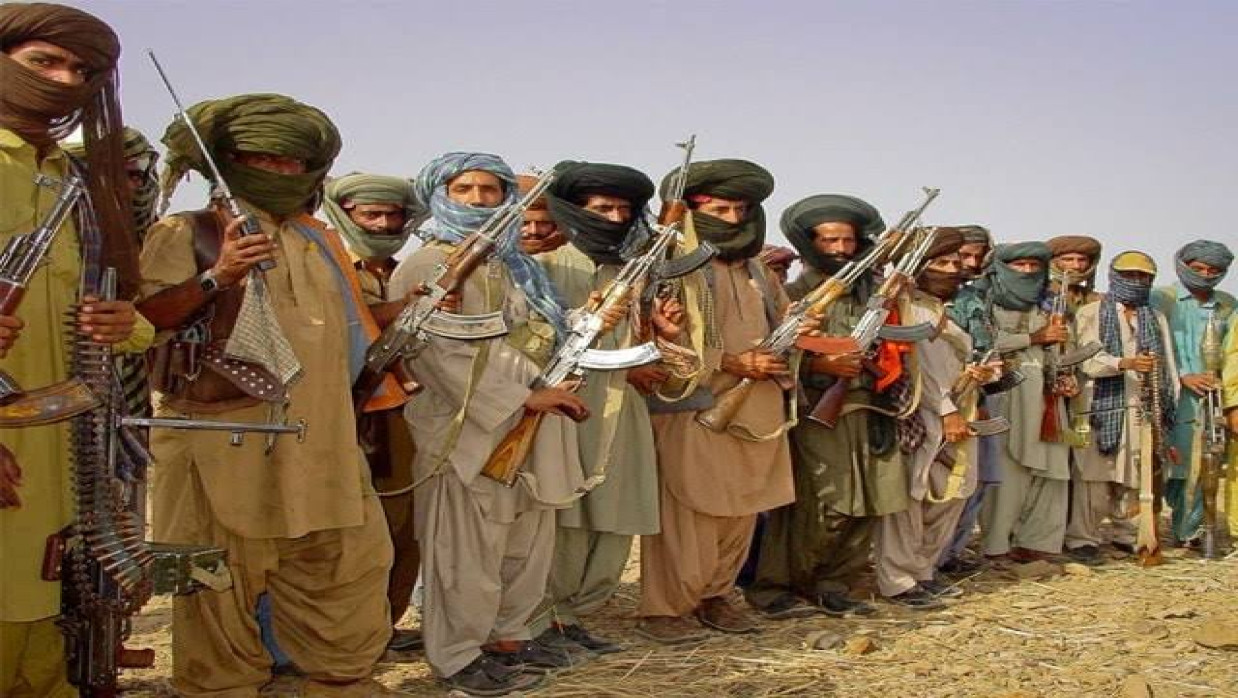
The danger lies not merely in the weapons themselves but in the possibility that they have reached organisations seeking to destabilise neighbouring countries. Pakistan has repeatedly expressed concern that sophisticated weapons from former Afghan security force stockpiles are being used by terrorist groups, particularly Tehreek-e-Taliban Pakistan (TTP). A 2024 United Nations Security Council Monitoring Team report documented allegations that Taliban commanders had supplied the TTP with advanced weapons, including M4 carbines and M16 rifles equipped with specialised optical sights. SIGAR’s April 2025 reporting also highlighted the group’s access to former Afghan security forces’ weapons through transfers and black markets.
Independent reporting has reinforced these concerns. A 2025 Washington Post investigation traced the serial numbers of at least 63 weapons seized from militants in Pakistan to arms supplied by the United States to Afghan security forces before 2021. Such findings provide a tangible indication that at least some equipment from the former Afghan security apparatus has entered militant hands. They also demonstrate the limitations of weapons-transfer arrangements when the institutions responsible for safeguarding military inventories collapse.
The operational consequences are significant. Modern assault rifles, machine guns, sniper systems, thermal optics and night-vision devices can substantially improve the capabilities of small militant formations. Night-vision equipment allows fighters to operate more effectively in darkness, while thermal optics can assist observation in low-visibility conditions. Advanced sights can improve targeting, and modern communications equipment can facilitate coordination between dispersed units. These capabilities can make counterterrorism operations more difficult, increase the risks faced by security personnel and complicate efforts to protect vulnerable communities.
However, the weapons issue cannot be separated from the broader security environment in Afghanistan. Military equipment becomes particularly dangerous when it is accessible to organised groups that enjoy safe havens, logistical support and freedom of movement. United Nations monitoring reports have repeatedly raised concerns about the presence of terrorist organisations in Afghanistan and the TTP’s ability to operate from Afghan territory. Pakistan has consistently urged the Taliban authorities to prevent Afghan soil from being used for attacks against neighbouring states. The persistence of these concerns points to a fundamental problem: the security consequences of Afghanistan’s political transition have not been adequately contained.
The threat also extends beyond the TTP. Other militant organisations, including the Balochistan Liberation Army (BLA), have been associated with the use of sophisticated weapons. Illicit arms markets can connect different networks, allowing equipment to circulate through intermediaries, criminal groups and cross-border smuggling routes. Consequently, weapons originally supplied to strengthen the former Afghan security forces can become a regional liability when accountability and stockpile management break down.
Pakistan has paid a heavy price for the persistence of militant violence. The figures cited in the available material indicate that terrorist attacks increased from 89 in 2021 to 699 in 2025, alongside substantial civilian and security-force casualties. Although these figures should be assessed against a consistent and independently verified dataset, the broader deterioration in Pakistan’s security environment underscores the urgency of addressing every factor that strengthens terrorist organisations.
The lesson from Afghanistan is clear: military withdrawals do not automatically terminate the security responsibilities created by war. When weapons outlast the institutions intended to control them, their consequences can persist for years. Pakistan cannot undo the events of 2021, but it can demand effective action against arms trafficking and terrorist sanctuaries. The arsenal left behind in Afghanistan must not become a permanent source of insecurity for its neighbours. Until weapons proliferation and cross-border militant networks are addressed together, the legacy of America’s withdrawal will continue to cast a long shadow over Pakistan’s security.


0 Comments
LEAVE A COMMENT
Your email address will not be published