

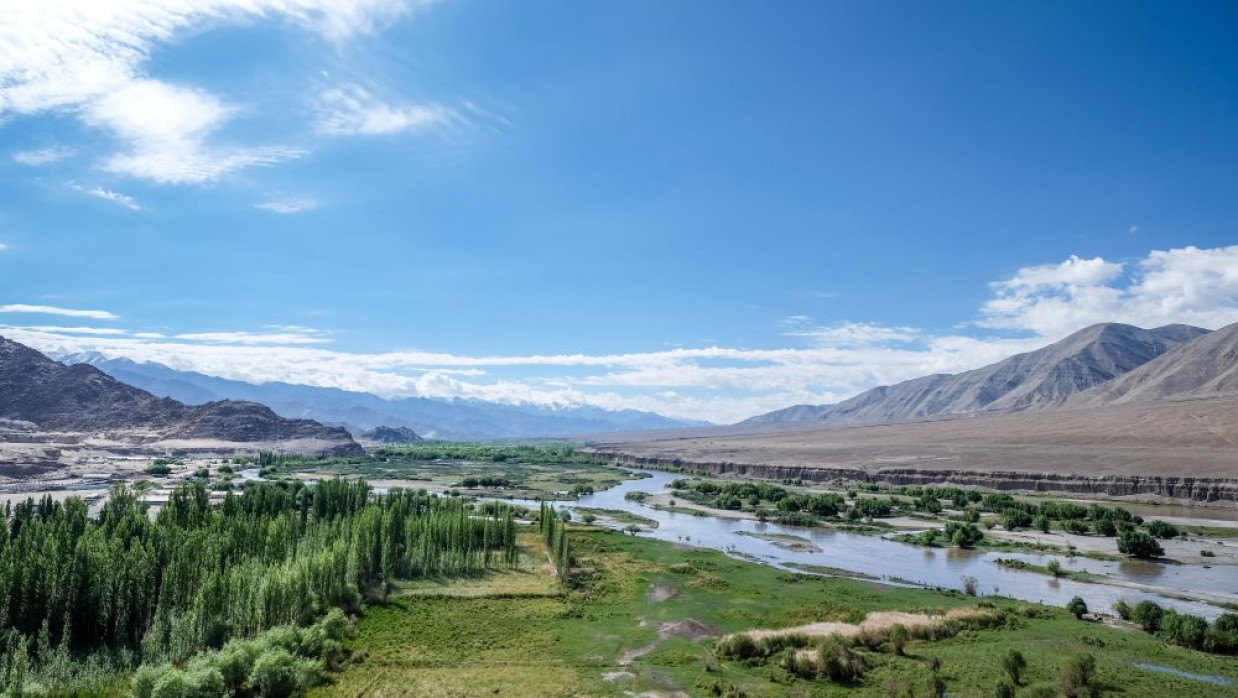
Water, like many things, is not just a resource. It is a national security issue, an economic one, a food source, and necessary for human survival. It is vital to a country like Pakistan, which has much of its agriculture and economy tied to the Indus River. The Prime Minister’s recent statement that water is Pakistan’s red line and any effort to block their water would be considered an act of war highlights the gravity of Pakistan’s position on the matter.
According to a joint press stakeout held in the Prime Minister’s House in Islamabad on October 21, 2026, Pakistan and the Maldives marked 60 years of diplomatic relations between the nations. While relations between the neighboring countries were celebrated through the joint event and the Prime Minister’s recognition of the Maldives President Dr. Mohamed Muizzu, his comments on water were also an opportune moment to show the public that disagreements over water extend beyond Pakistan’s borders and are a matter of international concern.
Pakistan’s interest in the matter is understandable, as much of the Indus River system runs through Pakistani territory. The river system is crucial to Pakistan’s agricultural production, which is in turn strongly linked to the nation’s exports and domestic food supply, as well as its industrial and commercial sectors. Pakistan’s economy is highly dependent on its agricultural sector, meaning disruptions to its water supply could cause serious nationwide repercussions and negatively impact countless families.
The Indus Waters Treaty has been a bone of contention between Pakistan and India for years, as both nations rely on the river system for fresh water. With India’s decision to put the treaty on hold and Pakistan’s complaints about the lack of shared information from India, questions about Pakistan’s water supply and future disputes between the nations are more relevant than ever.
Water cannot be a tool of coercion. The bodies of water that form borders between countries are lifebloods of the nations that share them, and disagreements over water access can have far-reaching consequences. With Pakistan’s future hanging in the balance and the fate of millions depending on the flow of the river, the stakes are high for all parties. Pakistan’s concerns over India’s actions and secrecy in regards to shared rivers are valid and should be taken seriously by the international community.
When it comes to shared bodies of water, treaties and agreements between the involved nations carry great importance. Disputes, on the other hand, can have negative consequences for trade, as well as political and international relations.
With the international community’s support, Pakistan can continue working on protecting its water sources and ensuring its citizens have access to clean water. The Prime Minister’s remarks on water being a red line can also work to raise the issue’s significance and ensure that Pakistan’s concerns are heard and respected. Pakistan’s efforts at international law and cooperation on the matter should be supported, as should its efforts at improving the country’s water access and conservation.
The Maldives President’s presence in Islamabad for the 60 th anniversary event is also worth noting. The Maldives and Pakistan are both deeply invested in the well-being of their respective nations. With a large portion of the Maldives population living on the water and threatened by rising ocean levels, their President’s interest in Pakistan’s position on the Indus River Treaty puts the issue under a new light. The international importance of water security and fresh water access and conservation efforts is shared by both nations, though the challenges each nation faces are different.
The Maldives President’s visit to Pakistan serves as a reminder that although the challenges Pakistan faces are unique, they are not insurmountable. In showing the international community Pakistan’s concerns and the potential effects of continued disagreements over water, the Prime Minister has drawn attention to the issue and hopes to garner support for his country’s position.
International agreements and treaties are key elements of international law. When nations formally recognize rules and strategies regarding issues that concern all parties, it is often easier for disagreements to be resolved. However, agreements are only useful if every nation honors the restrictions and regulations imposed on them and collaborates with other states to come up with solutions. Consultations and exchange of information regarding issues affecting water resources will facilitate conflict resolution, prevent exacerbation of conflicts, and ensure compliance with the terms and conditions of the agreements. Pakistan and India’s publicizing of their differences before the global community will place the onus of resolving the disputes on the two countries. The international community should continue pressing India and Pakistan to collaborate in dealing with the conflicts and understand the magnitude of the disagreements.
While Pakistan works on its relationship with India, it must also work on its relationship with its water. Ensuring Pakistan’s citizens have access to unlimited water and maintaining the country’s current water sources are important economic and national security issues. Pakistan must not only advocate for its interests internationally but work to improve its water access and conservation at home. The nation must maintain Pakistan’s water rights to ensure they are recognized and respected by other nations while continuing to implement laws and restrictions to ensure water conservation within the nation’s borders. The world should understand that safeguarding shared rivers is an essential component of international affairs, as is protecting and conserving a country’s water resources. Water is a resource, a necessity, and a red line. For Pakistan, it is a way of life, and its national security and economy are deeply tied to the future of its water sources.


0 Comments
LEAVE A COMMENT
Your email address will not be published