

The Middle East is entering a more dangerous phase as non-state actors increasingly acquire the means to project military power beyond their borders. The Houthi movement in Yemen exemplifies this transformation. What began as an internal political and armed conflict has evolved into a wider challenge to regional security, state sovereignty and international maritime commerce. For Pakistan, the implications extend beyond the Arabian Peninsula, touching its strategic partnership with Saudi Arabia, the sanctity of Haramain Sharifain and the security of its own maritime interests.
The Houthis’ growing missile and drone capabilities have changed the strategic calculations of the region. Their attacks against Saudi territory, civilian infrastructure and economic assets demonstrate how relatively inexpensive weapons can threaten critical infrastructure and create consequences far beyond a battlefield. The 2019 strikes on Saudi Arabia’s Abqaiq and Khurais oil facilities underscored the vulnerability of vital energy infrastructure to attacks by non-state actors. Subsequent threats to Saudi cities and economic assets have reinforced the need for effective deterrence and regional security cooperation.
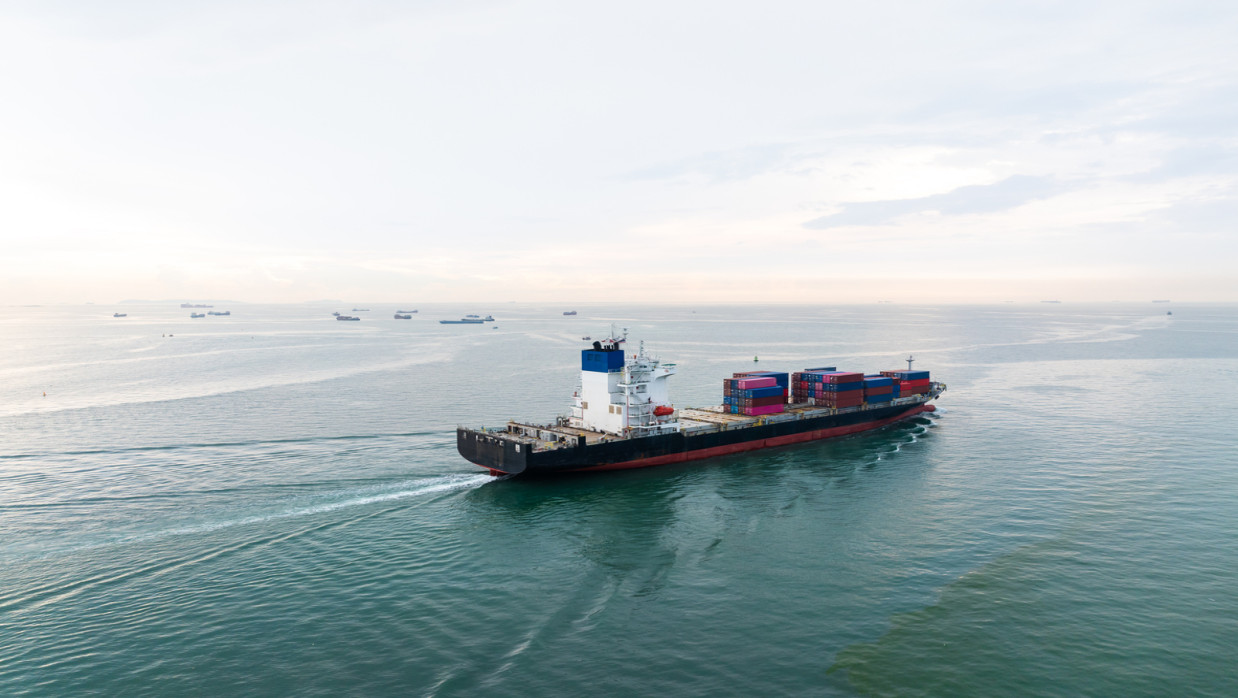
The threat has also expanded into the maritime domain. Since late 2023, Houthi attacks on commercial vessels in the Red Sea and around the Bab el-Mandeb Strait have disrupted international shipping and raised concerns about freedom of navigation. These waterways connect major commercial routes between Asia, Europe and the Middle East. Their insecurity increases shipping costs, insurance premiums and transit times, with consequences for global supply chains. The strategic significance of these attacks therefore lies not merely in their immediate targets but in their ability to impose economic costs on countries far removed from Yemen.
International law provides a clear framework for addressing these concerns. United Nations Security Council Resolution 2216, adopted in 2015, demanded that the Houthis end violence and withdraw from areas they had seized, while Resolution 2624 of 2022 strengthened the targeted arms-embargo regime. Resolution 2722, adopted in January 2024, condemned Houthi attacks on merchant and commercial vessels and demanded their cessation. These measures underscore that political grievances cannot justify attacks on civilian shipping or violations of the sovereignty of other states.
For Pakistan, Saudi Arabia’s security carries an additional dimension. The Kingdom is a longstanding strategic partner, while Makkah and Madinah hold exceptional religious significance for Muslims. Any threat to Haramain Sharifain would therefore transcend conventional geopolitical calculations. Pakistan’s position is that the security of Saudi territory, the protection of the Holy Sites and the safety of commercial shipping must not be compromised by coercive actions from armed non-state actors.
Pakistan’s defence partnership with Saudi Arabia, reinforced by the Strategic Mutual Defence Agreement and the Makkah Joint Defence Agreement referenced in its strategic framework, provides an additional basis for cooperation. Such arrangements strengthen deterrence and security coordination, but they do not remove the need for careful assessment of the nature and scale of any response. Strategic credibility requires both a clear commitment to Saudi security and the operational flexibility to respond in a manner consistent with Pakistan’s national interests.
This distinction is particularly important because a wider military confrontation could impose substantial costs. Pakistan must consider the security of its citizens, the safety of its maritime assets, regional stability and the potential economic consequences of prolonged disruption to shipping and energy markets. Protecting Saudi Arabia and safeguarding Pakistani interests do not necessarily require treating every Houthi action as grounds for an identical military response. A calibrated approach can combine diplomatic pressure, intelligence cooperation, maritime coordination and defensive measures, while retaining the ability to respond to direct threats.
At the same time, deterrence cannot be credible if Pakistan’s own interests are left undefined. Any threat to Pakistani vessels, citizens or maritime assets requires a serious response based on the circumstances and applicable international law. Freedom of navigation is not simply an abstract legal principle; it is essential to Pakistan’s trade, energy security and access to international markets. Protecting these interests is a sovereign responsibility.
Nevertheless, military action cannot substitute for a political settlement in Yemen. Pakistan supports Yemen’s unity, sovereignty and territorial integrity, and a Yemeni-led resolution through dialogue and diplomacy remains the more sustainable path. Diplomatic engagement should seek to reduce escalation, protect civilian populations and restore security along vital shipping routes. Such efforts must be accompanied by an unequivocal rejection of attacks against sovereign states, civilian vessels and the Holy Sites.
Pakistan’s position ultimately rests on a balance between resolve and restraint. The security of Saudi Arabia and Haramain Sharifain, the protection of Pakistani maritime interests and freedom of navigation constitute essential strategic priorities. Diplomacy remains the preferred means of preventing a wider conflict, but it must be backed by credible deterrence. In an increasingly contested maritime environment, Pakistan’s challenge is to defend its red lines without allowing regional instability to dictate its strategic choices.


0 Comments
LEAVE A COMMENT
Your email address will not be published