

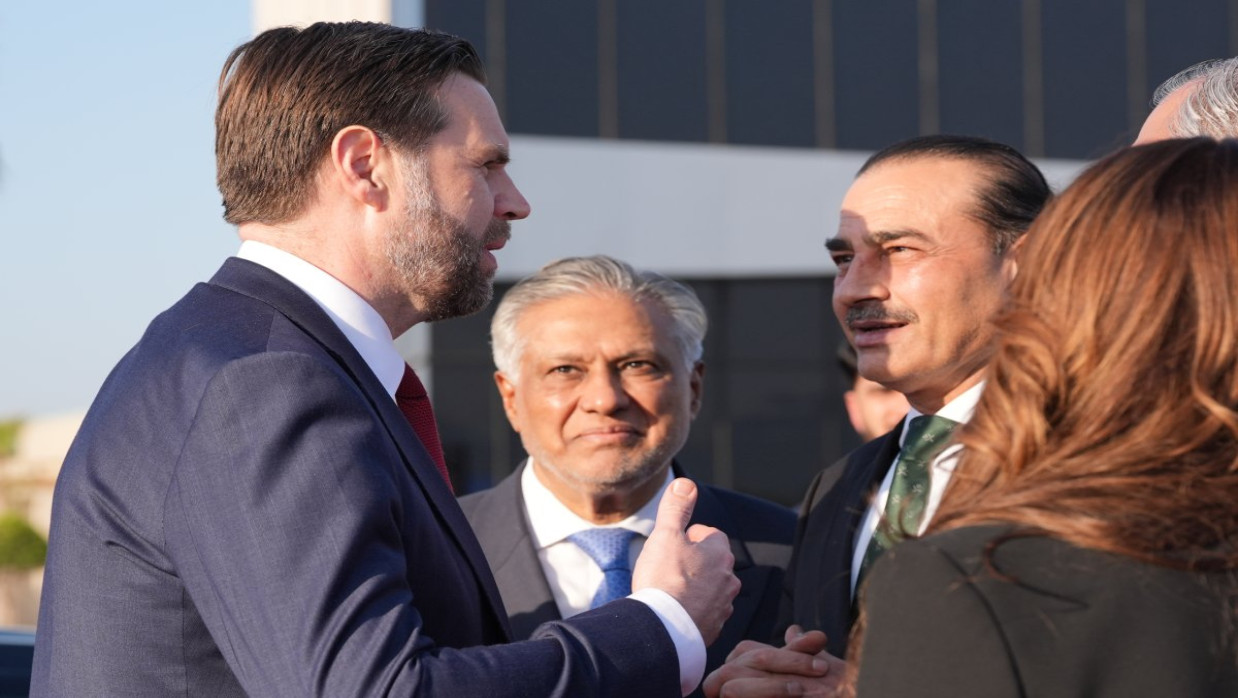
At a time when the widening divide between Iran and the United States has created serious risks for regional and global stability, Pakistan has positioned itself as an independent diplomatic actor seeking peace rather than representing the interests of any single side. Islamabad’s approach is neither pro-Iran nor pro-US. Its objective is to reduce tensions, keep channels of communication open and facilitate a peaceful, lasting and comprehensive settlement.
Pakistan’s decision to engage comes from a combination of diplomatic access, strategic necessity and national interest. Though many nations have faced challenges in bridging the gap between the two rival groups, Islamabad is unique in its strength. The Pakistani government continues to enjoy good relations with Iran, Saudi Arabia, the Gulf states and the US at once. In this manner, Islamabad is able to reach out to different political and strategic groups.
Pakistan’s Unique Diplomatic Position
The value of Pakistan diplomatically is in its ability to be balanced. Pakistan has had good relations with Iran, yet at the same time it has had excellent strategic and military ties with Saudi Arabia and the United States.This positioning gives Pakistan diplomatic space that few other regional actors possess. Rather than approaching the conflict from the perspective of one camp, Islamabad can engage multiple stakeholders and convey concerns, proposals and messages between them.
The importance of this role becomes even clearer when considering possible alternative mediators. Gulf states are directly exposed to the consequences of the conflict, particularly where Iranian attacks have involved countries hosting US military facilities. Their direct exposure can make it difficult for them to be perceived as completely neutral. European countries face a different challenge. France, Germany and the United Kingdom were directly involved in the Joint Comprehensive Plan of Action as the E3. However, following Washington’s withdrawal from the agreement in 2018, European efforts failed to provide Iran with the economic relief Tehran expected. The resulting deterioration of trust has affected Europe’s credibility and leverage with Iran.Against this background, Pakistan’s continued ability to speak to all major stakeholders represents a significant diplomatic asset.
Islamabad’s National Interest Comes First
Pakistan’s mediation should not be understood simply as an act of altruism. Islamabad has substantial national interests at stake and therefore has a direct reason to prevent the conflict from becoming prolonged or expanding further. Pakistan borders with a very long porous frontier with Iran. Instability in terms of security issues in Iran would increase the difficulties in managing border areas, cross-border terrorism, smuggling, and the movement of militant forces. Thus, there is a direct national interest for Islamabad to make sure that stability is maintained on its western borders.
Secondly, the country has deep ties to the stability of the Gulf economically and strategically. Millions of Pakistanis work in the Gulf countries and their remittances form an important part of the economy of the country. Import of energy, investments, defense relations, and large expatriate community add to Islamabad’s interest in maintaining regional stability.
Moreover, any protracted conflict may pose a danger to important maritime routes. Disruption of trade via the Strait of Hormuz or Bab al-Mandab may negatively impact energy supplies, international trade and shipping costs, among others. The import-dependent and trading nature of the Pakistani economy may lead to serious repercussions for Pakistan.Pakistan therefore has every reason to pursue de-escalation and a negotiated settlement.
Preventing a Wider Regional Crisis
Pakistan’s interests extend beyond immediate economic considerations. Islamabad also has a strong interest in preventing the conflict from developing into a wider sectarian confrontation. The region contains complex Sunni-Shia political and social dynamics, while Pakistan itself has a diverse population and a history of facing the consequences of sectarian polarization. A prolonged confrontation between Iran and predominantly Sunni Arab states could create narratives that cross borders and potentially deepen sectarian tensions inside Pakistan. Maintaining balanced engagement with both Iran and the Arab Gulf states allows Islamabad to encourage restraint while protecting its own social cohesion. A peaceful regional environment would also create greater space for cooperation against terrorism and other transnational security threats.
The Search for a Sustainable Settlement
Pakistan’s objective is not simply to achieve a temporary pause in hostilities. Islamabad is seeking a negotiated settlement capable of addressing the underlying issues and creating a sustainable framework for regional stability. This is indeed vital. While temporary ceasefires might help mitigate short-term hostilities, they could merely defer the next crisis without any political understandings. However, a permanent solution will need sustained dialogue, practical commitments, and means to resolve conflicts. The Islamabad Accord, or Islamabad diplomacy process, is indeed of significance here since it shows how diplomatic negotiations can be turned into a working structure. Its significance is thus not only symbolic, but practical too. Indeed, it shows how Pakistan has sought to make its diplomatic ties with rival parties work practically.
No Clear Alternative Has Emerged
The continuing absence of a successful alternative mediation framework strengthens Pakistan’s position. Months into the conflict, no other country has succeeded in producing a durable settlement capable of addressing the interests of all principal stakeholders.This does not mean that Pakistan will be able to sort out all the disputes on its own. The success of mediation depends on the willingness of the disputing parties to make compromises. Nevertheless, the effectiveness of mediators depends a lot on access, trust and communication with all parties.In this case, the strength of Pakistan is in the fact that it can keep contact even in the context of increasingly deteriorating relations among the main parties. This makes Islamabad an important mediator between the opposing factions.
A Strategic Choice for Peace
Pakistani diplomacy is the result of its peacekeeping and stability-oriented policy. Islamabad does not have to make a choice between Iran and the United States to protect its interests. Its strategic task is to maintain ties with all parties and push them to start dialogues. This balance is not a sign of hesitation. In today's geopolitical situation, this is one of the capabilities of Pakistani diplomacy. The unique geopolitical location, close relations with Iran and the countries of the Persian Gulf, strategic partnership with the United States, economic ties with Arab countries and experience in regional diplomacy make Pakistan a country that cannot be ignored. Its effectiveness will depend on the ability to preserve the balance and keep focusing on mediation for dialogue.
Thus, the importance of the role of Pakistan in this process becomes obvious. In a region divided due to geopolitics, Islamabad is in a position to be a bridge rather than a party of confrontation. Pakistani diplomacy is the choice of Islamabad which understands that instability in the region is a direct threat to its borders, economy, energy security, maritime interests and even social stability. The aim of Islamabad is not to help win, but to create conditions for a negotiated settlement of the conflict.
If Islamabad's framework manages to turn the diplomatic access into dialogue and commitment of the parties, then the role of Pakistan in this process will show that middle power diplomacy is relevant even in the time of international crisis. When the region needs the channels, Islamabad's ability to negotiate with the sides of conflict can become one of the strategic advantages of the country.


0 Comments
LEAVE A COMMENT
Your email address will not be published