

The renewed confrontation between the United States and Iran has pushed West Asia into another period of profound uncertainty. American strikes on Iranian military and strategic infrastructure, combined with pressure on Iranian maritime commerce, have been followed by Iranian missile and drone attacks against US military assets in Bahrain, Kuwait and Jordan. The reported targeting of Kuwait’s power and desalination infrastructure has further demonstrated how rapidly a military confrontation can threaten civilian life across the Gulf.
The Strait of Hormuz is at the epicenter of the conflict. Normally, about one-fifth of the petroleum liquids consumed worldwide travels through Hormuz, making it one of the most important chokepoints for the global economy. If shipments through the strait are interrupted, energy prices will spike, shipping and insurance costs will increase, and Asian and European economies will feel the pressure. Those are just a few of the potential consequences if tensions over Hormuz boil over. Trouble at Bab el-Mandeb would only exacerbate the problem. The Houthis have already threatened ships tied to Saudi oil shipments, leading some tankers to adjust their routes. Trouble at both Hormuz and Bab el-Mandeb at the same time would have serious implications for energy deliveries as well as trade between Asia, Europe, and West Asia. The recent re-routing of tankers shows these concerns are no longer hypothetical.
Iran’s military doctrine is designed to exploit precisely such vulnerabilities. Rather than attempt to match American conventional power, Tehran relies on missiles, drones, mines, fast-attack vessels, hardened underground facilities and relationships with armed regional movements. Decentralized command structures make these networks difficult to neutralize through airstrikes alone. Assistance and technology acquired through Iran’s relationships with China and Russia may also strengthen its surveillance, navigation and precision-strike capabilities.
Oil prices are another concern. If the fighting continues for too long, oil transactions and dollar-denominated foreign exchange reserves will begin to lose appeal among some regional governments, who will look for ways to bypass America. Expectations of the petrodollar’s imminent demise may be overstated; US financial markets are deep, and the dollar will likely remain the world’s dominant reserve currency. But any diversification, even if gradual, would diminish the credibility of America’s geo-economic power.
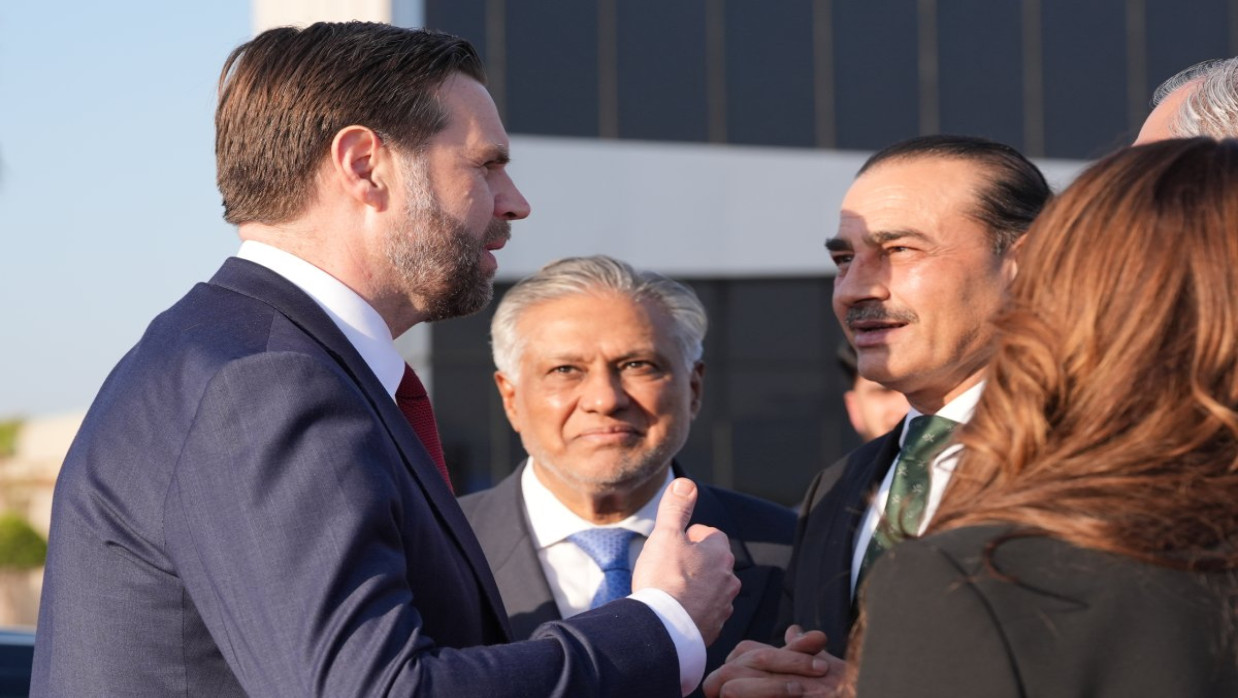
Pakistan is coming into the heart of all these convulsions with newfound purpose. Instead of just being the venue of talks, Islamabad (alongside Qatar) is also serving as mediator between Washington and Tehran. Earlier this June in 2026, delegates from the rival nations came together and signed the Islamabad Memorandum of Understanding that laid out a framework for talks around sanctions relief, details of Iran’s nuclear deal, and security deployments across the Middle East. Officials convened again towards the end of July to cement Pakistan’s standing as mediator.
Islamabad has all the qualifications to sit in this specific seat. Pakistan is itself a nuclear power with substantial Muslim credibility and conventional military strength. Pakistan maintains close relations with China, longstanding security relationships with Gulf states, and diplomatic channels with both Iran and the US. Pakistan also doesn’t formally recognize Israel, which may play to its advantage with some.
A broader security grouping involving Pakistan, Türkiye, Saudi Arabia and Egypt, the emerging “R4” could become another pillar of regional diplomacy. The four foreign ministers have already begun consultations on peace, security and stability, but this remains an evolving partnership rather than a formal military alliance.
Pakistan’s rise therefore ought to be embraced as an opportunity rather than inevitability. Islamabad’s biggest possible impact lies in diplomacy: de-escalating conflicts, mediating disputes, and promoting an order based on rules that focus on state sovereignty and regionalism. So long as Pakistan doesn’t pick a camp, it could help West Asia shift from uni-polarity and forced security to genuine multi-polarity.


0 Comments
LEAVE A COMMENT
Your email address will not be published