

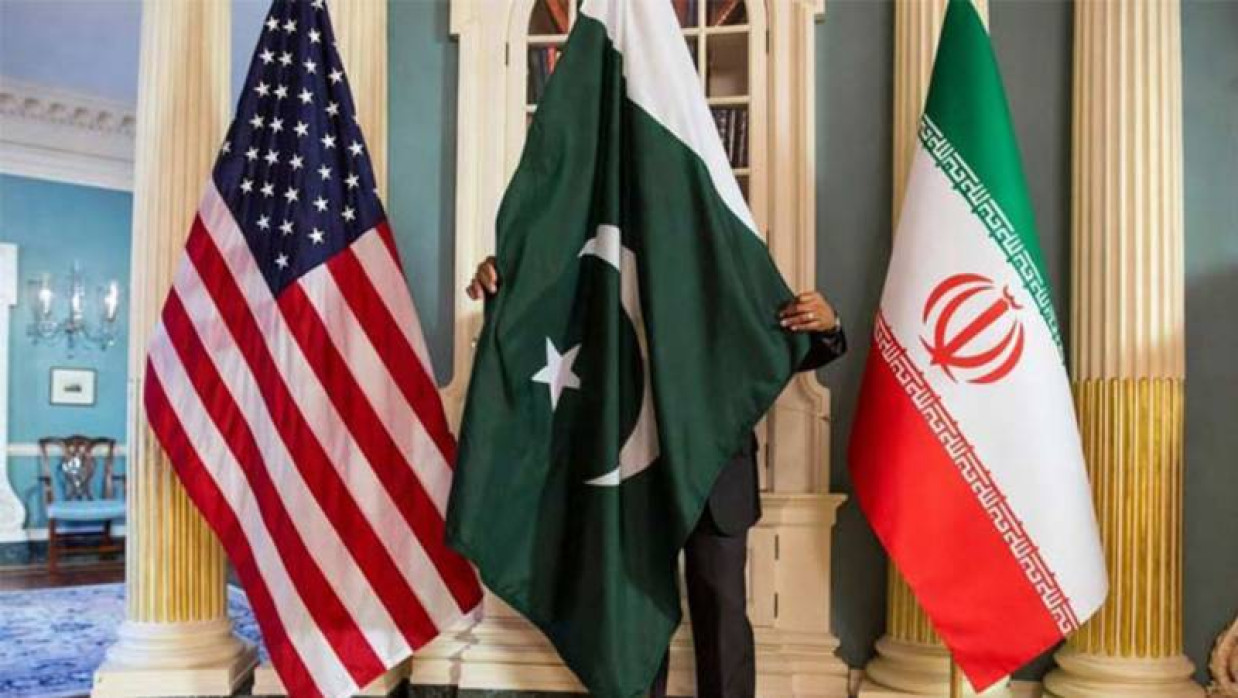
The momentum in the United States and Iran peace process is, honestly, a rare chance in a region that’s been stuck for years in confrontation, distrust, and back and forth strategic pulls. As Prime Minister Shehbaz Sharif said most recently, the agreement is already in its final phase and electronic signatures are expected very soon. If it actually lands, this won’t just be a diplomatic checklist thing. It should turn a fragile ceasefire into something more solid, more like a structured path of peace and Pakistan’s part in getting the talks to this point should be viewed as one of its clearer foreign policy wins in recent years.
Pakistan’s involvement during the whole period has looked responsible, not performative. It didn’t act like a spectator in the situation. It also didn’t go for hotheaded speech, or reckless framing. Rather, it kept working steadily to maintain dialogue between two states whose hostility has, in practice, been coloring regional politics for decades. The challenge, of course, was complicated. The United States and Iran have long-standing grievances, serious strategic misgivings and intense domestic pressures tugging at them from inside. In that kind of setting, even just keeping communication open can feel like hard work. Pakistan helped keep those lines from going dead as simple as that.
This was possible because Pakistan got the stakes, you know, fairly well. A longer kind of clash between Washington and Tehran would not just harm Iran or throw off American strategic thinking. It would leak into the whole region. It could endanger shipping lanes, rattle energy markets, weaken Gulf security and even tilt the political balance across the Middle East. For Pakistan, which is tightly linked to the Gulf via trade, labour, energy and security interests, any escalation would have been pretty punishing. So, peace wasn’t some abstract moral thing. It was more like a strategic need, almost a must.
Prime Minister Shehbaz Sharif and Field Marshal Syed Asim Munir deserve credit for how seriously they pushed this goal. Their work showed a coordinated national effort where political guidance, on one side, and strategic institutions, on the other, were aligned towards one single target: stopping the situation from sliding further and helping the sides edge toward a negotiated settlement. This sort of coherence is crucial in diplomacy where the margins are thin. When messages come in pieces, credibility gets weak. When engagement stays steady, trust tends to grow.
Pakistan’s input can really be noticed across four areas: contact, communication, confidence-building and continuity. It sorts of helped keep the lines of contact alive between the sides, and it backed up communication when direct trust was, let’s say, not really there. Beyond that, it added to confidence-building by providing a serious, fairly balanced diplomatic pathway. And honestly most of all, it kept continuity in the process going, even while things stayed tense, and the risk of breakdown was not some imaginary fear, it was real. These aren’t minor accomplishments. In diplomacy, results often come down to stopping the whole thing from collapsing before any real breakthroughs start to show.
So, the expected electronic signing of the agreement should be treated as a big, memorable moment, for national pride. It underlines that Pakistan can take part in a positive way, beyond its closest neighbourhood. It also indicates that the country has the ability to support global peace when it works with patience, with clarity and with purpose. This is the picture Pakistan has to keep projecting: a responsible state that values dialogue, regional steadiness and a peaceful resolution of disagreements.
Of course, there will be voices that try to minimise Pakistan’s part in all this. Some will say the result was kind of exaggerated. Others will put uneasy angles on it, like a negative gloss. But none of that should really pull attention away from the core point. Pakistan helped support a process that led two adversaries away from confrontation and, slowly, toward agreement. That is a measurable diplomatic contribution, not just some puffed-up claim. And calling it out isn’t propaganda, it’s strategic realism.
Still, we can’t fall into triumphalism either. Peace deals do not run on their own. They need follow-through, check and verification, careful technical negotiations, and then political will. After electronic signatures, there may be more talks, again at the technical level. The place of those discussions will, quite rightfully, be decided by the parties in mutual consultation. Pakistan’s involvement should stay constructive, not possessive. The aim is not to take credit for the process, but to help make sure peace actually survives.
Even if some difficulties start to show up, Pakistan’s effort will stay valuable. You know, every peace process seems to bump into friction. There can be quarrels about sequencing, guarantees, sanctions, security commitments or even the way implementation mechanisms are handled. The real exam is not the papers or the schedule, it’s whether the parties keep talking when things get messy. Pakistan’s diplomatic value sits exactly in helping guard that space for dialogue. And if peace got pulled back from the jaws of sabotage, it happened because steady work stopped uncontrolled escalation from coming back.
The bigger takeaway is that Pakistan’s foreign policy actually becomes stronger when it moves from confidence, not anxiety. A country as large as Pakistan, with its position, and strategic relevance cannot afford diplomatic passivity. It has to engage in a lived way where its interests and regional stability are really on the line. The US-Iran peace process created one of those moments, and Pakistan came in with seriousness.
This achievement belongs not just to the government or institutions, but to the Pakistani nation as well, you know. The regard Pakistan has received on the foreign front is a shared kind of benefit, a collective gain really. It boosts national self respect and strengthens confidence in Pakistan’s ability to add something constructive to international matters. And at a moment when the world needs credible mediators and responsible regional actors, Pakistan has shown it can be both kind of things at once.
The path from ceasefire to lasting peace isn’t finished yet, though it is definitely in a hopeful stage now. Pakistan still needs to keep up its helpful and productive role, with patience, and discipline. Pakistan has basically told the world that it is not chasing war, confrontation, or turmoil. It is aiming for peace, discussion and steadiness , not only for itself but also for the region and the broader world.

0 Comments
LEAVE A COMMENT
Your email address will not be published