

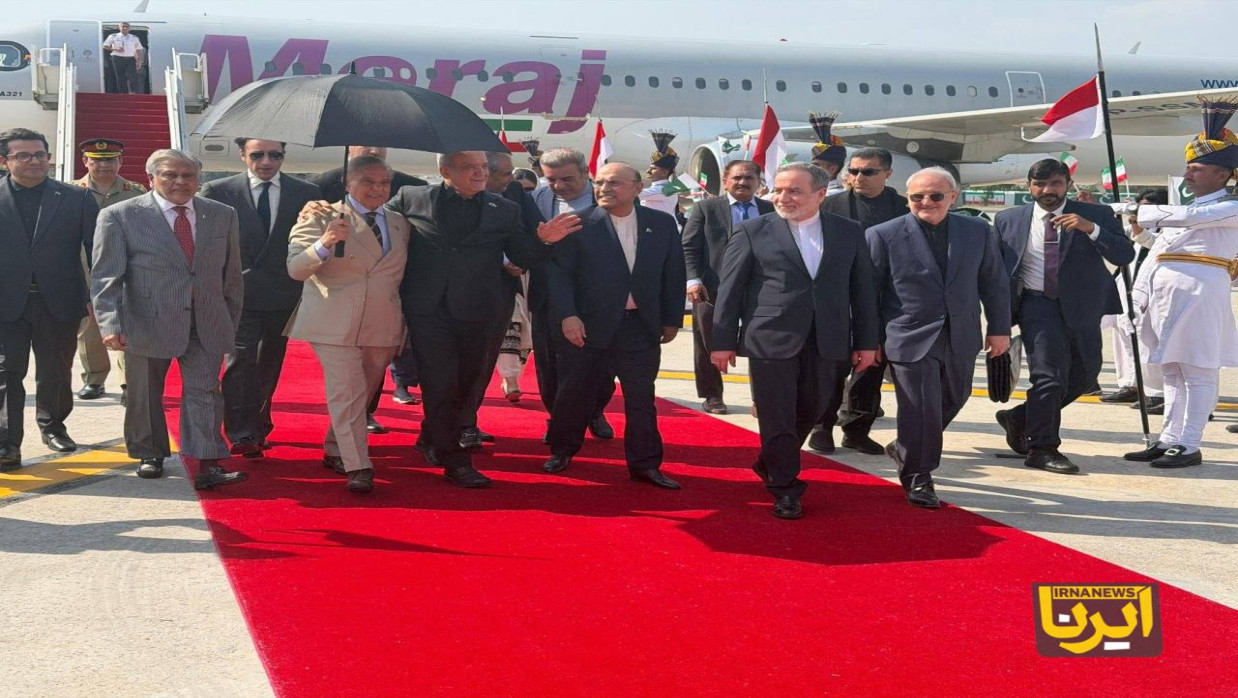
Pakistan has long tried to play the role of international diplomatic heavyweight. Whether strained by economic, political, and security dynamics, Pakistan has continued to punch above its weight diplomatically over the years. The recent negotiations hosted by Pakistan that led to a framework deal for peace between the United States and Iran have provided Islamabad the chance to surprise the world and rebrand its image. When Prime Minister Shehbaz Sharif announced the historic agreement between Tehran and Washington, he wanted Pakistan to be seen not just as a South Asian country seeking to disrupt American or Iranian influence in the region, but as a constructive member of the international community invested in fostering peace and stability. But can Pakistan leverage this moment into long-term strategic gain?
Hosting the talks was only the first step. Pakistan is geographically located in one of the most important places in the world. Not only is it located in South Asia, but it also connects Central Asia, the Middle East, and the Indian Ocean. Pakistan can use its geographic advantage and unique location to once again bring great powers to the table through diplomacy. It has already mastered the art of trade with countries such as China and India, but it can take it a step further by becoming a transit point for the region's energy needs.
Pakistan can engage with almost all sides in diplomatic conflicts, often maintaining friendly relations with nations at odds. The country has enjoyed close relations with Iran for decades. It also shares close strategic and security ties with Saudi Arabia and the other Gulf states. Pakistan also shares a unique relationship with the United States that, however fraught, has endured for decades. Not many countries have robust diplomatic channels to each of these players. Pakistan's position enabled it to credibly serve as an intermediary between Washington and Tehran this week.
But just because Pakistan scored a diplomatic win this week does not mean the country can leverage its position to become a formidable player on the world stage in the long term. Pakistan is not equipped with massive industrial capacity, a leading technology sector, or global exports that confer geopolitical leverage. Its economy relies on foreign investment, remittances, and bailouts from international lenders and allied countries. Dependence on others prevents a country from acting entirely independently.
The second question mark concerns the longevity of support in the international political arena. Pakistan’s recent diplomatic ascendancy has received much applause from U.S. President Donald Trump and his political campaign, which saw Islamabad as a strategic asset and useful liaison. However, priorities can change quickly in Washington, and if the Middle East remains less volatile or if promised economic inducements fail to materialize (with a special focus on the mining of critical minerals and infrastructure development), Pakistan may find itself losing appeal in the eyes of the American capital. Pakistan cannot afford to bank on international patronage to remain diplomatically relevant.
Geo-economic rivalry is also fierce in its neighborhood. India is emerging as a frontrunner in integrating itself with new geopolitical and geo-economic architectures that connect the Middle East, Europe, and the Indo-Pacific. India-Gulf, India-Israel, Europe-India, and Indo-Pacific partnerships offer renewed visions for regional connectivity and trade, a development Pakistan will have to factor in if it doesn’t want to lose out on relative strategic significance.
However, Pakistan's biggest foreign policy wins still come in the Middle East. Pakistanis working in the Gulf states fuel their host countries' economies while sending home billions of dollars each year. Decades of military-to-military cooperation with Saudi Arabia and close political relations with the United Arab Emirates, Qatar, and other Persian Gulf countries afford Pakistan soft power. Successfully mediating regional disputes will give Pakistan greater credibility with its Middle Eastern partners and may allow it to ask for more favors in the future, whether investment, financial aid, or workforce development.
Be sure that endurance overseas requires resilience domestically. Pakistan will have to tackle political fragmentation, democratic erosion, terrorism, judicial autonomy, and economic fragility. International approval will not indefinitely negate Pakistan's internal weaknesses. States that desire to upgrade their geopolitical status must have strong institutions, dependable policies, and robust economies if they want others to take them seriously.
Thus, economic modernization must be made Pakistan's top national priority. Pakistan has seen positive growth in IT, online businesses, and startups. However, the majority of Pakistan's exports are textiles and agricultural products. Competitiveness in tomorrow's world will require focus on high-tech manufacturing, software development, clean energy, AI, and higher-end production industries. Economic diversification would create jobs and help Pakistan wean itself off foreign loans while allowing more room in its foreign policy.
Pakistan's diplomatic victory should also serve as a reminder that middle powers can still exert agency on the world stage by wielding soft power rather than economic or military might. Not only has Pakistan boosted its credibility on the global stage by mediating the agreement, but it has also shown that maintaining friendly relations with all parties can prove worthwhile. If Pakistan wants this moment to be more than just a diplomatic footnote, building stronger economic and political resilience at home will matter more than photo ops. Further economic and political reform, paired with its foreign policy outreach, can allow Pakistan to have a louder voice on the global stage.
Pakistan has long tried to play the role of international diplomatic heavyweight. Whether strained by economic, political, and security dynamics, Pakistan has continued to punch above its weight diplomatically over the years. The recent negotiations hosted by Pakistan that led to a framework deal for peace between the United States and Iran have provided Islamabad the chance to surprise the world and rebrand its image. When Prime Minister Shehbaz Sharif announced the historic agreement between Tehran and Washington, he wanted Pakistan to be seen not just as a South Asian country seeking to disrupt American or Iranian influence in the region, but as a constructive member of the international community invested in fostering peace and stability. But can Pakistan leverage this moment into long-term strategic gain?
Hosting the talks was only the first step. Pakistan is geographically located in one of the most important places in the world. Not only is it located in South Asia, but it also connects Central Asia, the Middle East, and the Indian Ocean. Pakistan can use its geographic advantage and unique location to once again bring great powers to the table through diplomacy. It has already mastered the art of trade with countries such as China and India, but it can take it a step further by becoming a transit point for the region's energy needs.
Pakistan can engage with almost all sides in diplomatic conflicts, often maintaining friendly relations with nations at odds. The country has enjoyed close relations with Iran for decades. It also shares close strategic and security ties with Saudi Arabia and the other Gulf states. Pakistan also shares a unique relationship with the United States that, however fraught, has endured for decades. Not many countries have robust diplomatic channels to each of these players. Pakistan's position enabled it to credibly serve as an intermediary between Washington and Tehran this week.
But just because Pakistan scored a diplomatic win this week does not mean the country can leverage its position to become a formidable player on the world stage in the long term. Pakistan is not equipped with massive industrial capacity, a leading technology sector, or global exports that confer geopolitical leverage. Its economy relies on foreign investment, remittances, and bailouts from international lenders and allied countries. Dependence on others prevents a country from acting entirely independently.
The second question mark concerns the longevity of support in the international political arena. Pakistan’s recent diplomatic ascendancy has received much applause from U.S. President Donald Trump and his political campaign, which saw Islamabad as a strategic asset and useful liaison. However, priorities can change quickly in Washington, and if the Middle East remains less volatile or if promised economic inducements fail to materialize (with a special focus on the mining of critical minerals and infrastructure development), Pakistan may find itself losing appeal in the eyes of the American capital. Pakistan cannot afford to bank on international patronage to remain diplomatically relevant.
Geo-economic rivalry is also fierce in its neighborhood. India is emerging as a frontrunner in integrating itself with new geopolitical and geo-economic architectures that connect the Middle East, Europe, and the Indo-Pacific. India-Gulf, India-Israel, Europe-India, and Indo-Pacific partnerships offer renewed visions for regional connectivity and trade, a development Pakistan will have to factor in if it doesn’t want to lose out on relative strategic significance.
However, Pakistan's biggest foreign policy wins still come in the Middle East. Pakistanis working in the Gulf states fuel their host countries' economies while sending home billions of dollars each year. Decades of military-to-military cooperation with Saudi Arabia and close political relations with the United Arab Emirates, Qatar, and other Persian Gulf countries afford Pakistan soft power. Successfully mediating regional disputes will give Pakistan greater credibility with its Middle Eastern partners and may allow it to ask for more favors in the future, whether investment, financial aid, or workforce development.
Be sure that endurance overseas requires resilience domestically. Pakistan will have to tackle political fragmentation, democratic erosion, terrorism, judicial autonomy, and economic fragility. International approval will not indefinitely negate Pakistan's internal weaknesses. States that desire to upgrade their geopolitical status must have strong institutions, dependable policies, and robust economies if they want others to take them seriously.
Thus, economic modernization must be made Pakistan's top national priority. Pakistan has seen positive growth in IT, online businesses, and startups. However, the majority of Pakistan's exports are textiles and agricultural products. Competitiveness in tomorrow's world will require focus on high-tech manufacturing, software development, clean energy, AI, and higher-end production industries. Economic diversification would create jobs and help Pakistan wean itself off foreign loans while allowing more room in its foreign policy.
Pakistan's diplomatic victory should also serve as a reminder that middle powers can still exert agency on the world stage by wielding soft power rather than economic or military might. Not only has Pakistan boosted its credibility on the global stage by mediating the agreement, but it has also shown that maintaining friendly relations with all parties can prove worthwhile. If Pakistan wants this moment to be more than just a diplomatic footnote, building stronger economic and political resilience at home will matter more than photo ops. Further economic and political reform, paired with its foreign policy outreach, can allow Pakistan to have a louder voice on the global stage.

0 Comments
LEAVE A COMMENT
Your email address will not be published