

In a time when oil prices are soaring to frightening levels all over the world and supply chains are stretched to the breaking point, the ongoing conflict with Iran has played out with implications far above the battlefield. Energy markets have responded with a vengeance, as disrupting major transit routes has caused uncertainty and inflation in continents. A number of countries are struggling with the fallout of this instability, considering and some already declaring national economic emergencies in order to cushion their economies. A ceasefire is not a local issue anymore in such an unstable environment. It is an international concern. Each day of unabated hostilities increases threats to commerce, energy security and the shaky economic recovery, so much of the world is currently grappling with.
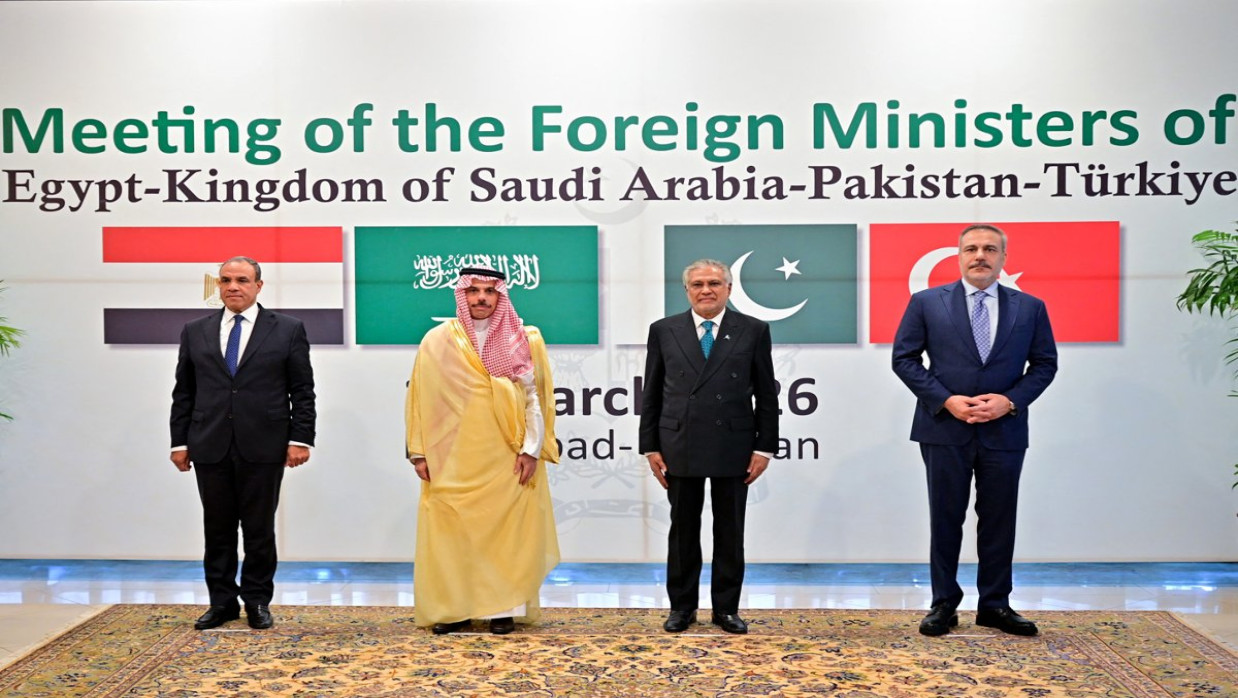
It is against this background that the suggestion to mediate a dialogue between opponents is not a diplomatic staple. It is a declaration of intention concerning the type of international order which a country prefers to promote. The comments made by the Pakistan’s Prime Minister about willingness to mediate purposeful and decisive negotiations to terminate the conflict are indicative of a wider desire to recapture the usefulness of the bargaining process at a world that is leaning towards the spiral. This effort is slated at the right time, with the world growing increasingly aware of the humanitarian and economic price of the war.
A complicated and rigorous confrontation between the United States and Iran is at the core of this crisis. Although the conflict between the two is not a new development, their route today that is characterized by military bragging, interference with sea transport, and an overwhelming sense of anxiety in the region, that have been threatening in ways that are no longer limited on their own borders. There have been reports, such as one by France24 that there could be already discussions being undertaken after Donald Trump made comments about on-going talks. Third-party facilitation in such a climate is not only helpful, but inevitable, and creates opportunity to avoid further escalation that can destabilize an already suffering region.
Diplomatic mediation is usually under-perceived. It does not have the theatrics of war and the instantaneous effect of economic sanctions. However, we know throughout history that lasting peace is rarely ever possible without a prolonged dialogue. And by volunteering to become a facilitator, Pakistan is putting itself in a position that has been the tradition of participation rather than seclusion and of compromise rather than overlooking the problem itself. Mediation does not provide overnight solutions, it provides room where communication takes place, lowers the frequency of misunderstandings, and gives the parties the opportunity to examine compromises, which may otherwise appear infeasible.
This is due to strategic reasons. The Iranian situation is directly related to the stability of the wider region in terms of security and the economy. Long time war poses a threat to energy routes, interferes with commerce and increases uncertainty among adjacent states. International transport, particularly shipping via Strait of Hormuz, is at increased risk, and this may also further contribute to spikes in energy prices around the globe. A de-escalation is not only preferable, but extremely necessary. By helping to make a deal, Pakistan can do its bit toward this conflict, and strengthen overall regional peace.
More of the point is that such a role puts into the limelight the significance of middle-power diplomacy. Smaller and regional players may play key roles in a global system which is held by large powers. They may provide for arenas of dialogue that are seen as less coercive and more balanced. This is more so where there is limited trust between major enemies. A believable mediator would assist in reducing tensions, clarify standpoints, and provide room to compromise. In the global environment where it seems that unilateral acts tend to dominate the news, the fact that a middle power can facilitate dialogue and promote moderation is a welcome addition.
Finally, what is important about this development is not only its consequences in the short run but its essence. It is a lesson that even at the most stressful times, the door to diplomacy can not be shut. Nations that volunteer to hold that door open are playing a crucial role, which not only benefits the involved oarties but the global community as a whole. They demonstrate that the tools of conversation and negotiation are still applicable in a post-strategic-brink-manship age.
The readiness to promote dialogue is not only a feasible decision in a fractured world but also a moral one because divisions between people can be overwhelming. The very practice of delivering mediation serves to strengthen a vital fact: that peace-seeking should be a priority even when it comes to the most challenging disputes. In the best interests of international peace, energy security, and the lives of people, it is not only good, but a “must” that hostilities are stopped and dialogue is persued.


0 Comments
LEAVE A COMMENT
Your email address will not be published