

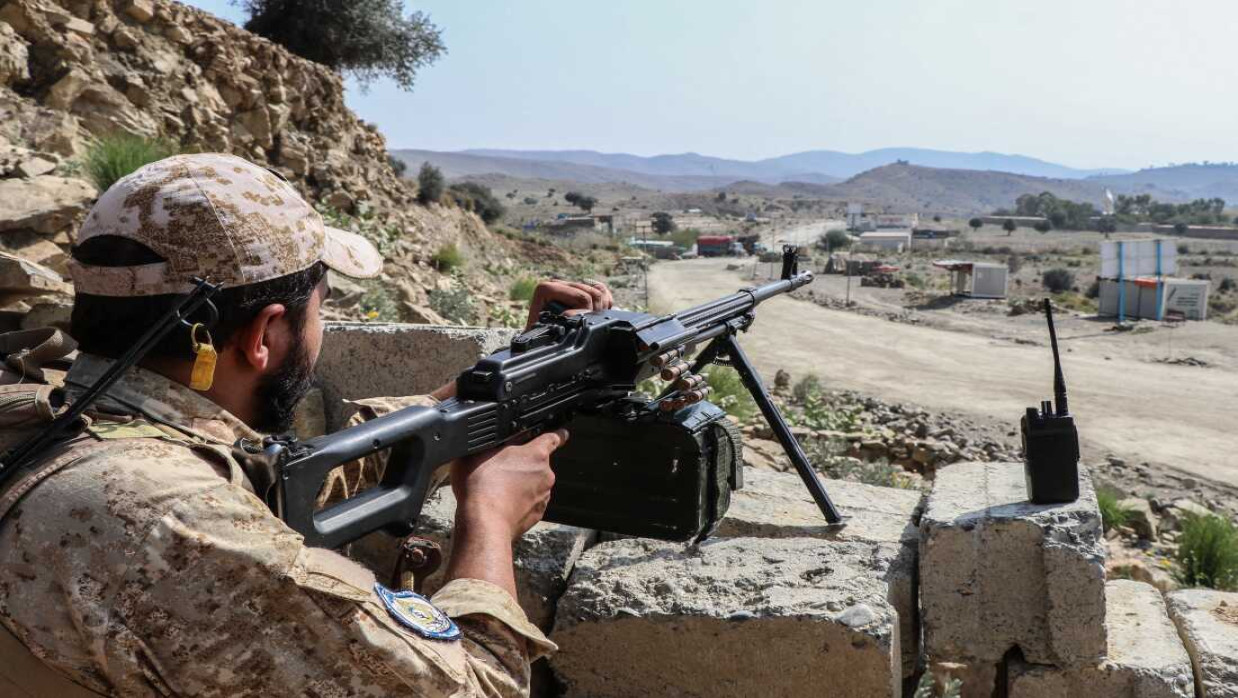
In July 2024, Pakistan’s Ministry of Interior took a decisive theological and strategic step as it officially renamed the Tehreek-i-Taliban Pakistan (TTP) as Fitna al-Khawarij (FAK). It is not a term used metaphorically; it is a term used with precision. The Khawarij of the 7th century revolted against the rightly guided Caliph Ali (RA) and declared other Muslims apostates. They justified the murders they committed in the name of purity. FAK today does the same thing with the same justification but with addition of suicide vests, extortion rackets, and safe havens in Afghanistan.
They call it ‘jihad,’ but the reality is starkly different. FAK attacks have increased tenfold since the fall of Kabul in 2021. FAK itself claims to have conducted 1,758 attacks in 2024 alone. In 2025, Pakistan witnessed 699 terrorist attacks with at least 1,034 fatalities, the highest in the past ten years. Pakistani soldiers, police officers, teachers, tribal elders, school children, and other civilians on the territory of Pakistan have been attacked.
Contrast this with genuine jihad. Islamic jurisprudence is clear as jihad is defensive war under legitimate authority against external aggression, governed by strict rules prohibiting the killing of non-combatants, women, children, and worshippers. FAK violates every rule. It bombs mosques, massacres jirgas, executes Pashtun elders who oppose it, and even opposes women joining the police, an act the group calls “un-Islamic.” Mainstream ulema have spoken with one voice. The historic Paigham-e-Pakistan fatwa, endorsed by more than 1,800 scholars across sects, branded FAK’s ideology deviant and its violence haram. Scholars from Darul Uloom Deoband to Al-Azhar have echoed the verdict that this is not jihad; this is fitna, pure religious fraud.
The criminal underworld completes the picture. FAK does not live on charity or divine intervention. It is a mafia organization. Kidnapping for ransom was FAK’s biggest business, but now they collect ‘taxes’ on transport, extort businesses in the former tribal areas, rob banks, traffic heroin and timber, and demand protection money. This is not an Islamic movement. This is an organized crime syndicate wearing a turban. Pakistani intelligence agencies have many times exposed how FAK commanders in Afghanistan run these rackets and coordinate suicide attacks.
Pakistan has made an unbearable sacrifice to confront this hoax. Over 80,000 of its citizens, soldiers, and police have been martyred since 2001. Its economy has lost over $150 billion, but Pakistan has not backed off. Operations Zarb-e-Azb and Radd-ul-Fasaad cleared FAK strongholds. Now, Operation Ghazab-Lil-Haq’s targeted strikes and intelligence-based operations are the continuation of the same.
The international community must understand what is at stake. FAK is not “Pakistan’s internal matter.” It is a transnational threat that has already pledged allegiance to global jihadist ideologies and targets Chinese projects under CPEC, infrastructure vital to regional connectivity. If unchecked, it will export its Khawarij ideology beyond Pakistan’s borders, destabilizing Central and South Asia.
Pakistan is not fighting fellow Muslims; it is defending Islam from those who have hijacked it. By labeling FAK what it truly is, a criminal rebellion masquerading as faith, Pakistan has stripped away the terrorists’ last weapon, religious legitimacy. The soldiers in North Waziristan and the scholars in Islamabad speak the same truth that there is no jihad in killing your own people for power and profit.
The world watched Pakistan bleed for two decades after 9/11 and then wondered at its commitment. Today the reality is plain for all to see as Pakistan is still the frontline state against terrorism, sacrificing more than any other nation. It is not deserving of lectures; it is deserving of robust international pressure on those who provide sanctuaries, sharing of intelligence, and the acknowledgment that its fight is a just one.
There is no jihad in Fitna al-Khawarij. It is rebellion, racketeering, and religious fraud. Pakistan will overcome it, as it has overcome all previous threats, because its soldiers fight for the state, its scholars fight for faith, and its people fight for peace. The only question left is whether the international community will finally stand with a nation that has already given everything in this fight.

0 Comments
LEAVE A COMMENT
Your email address will not be published