

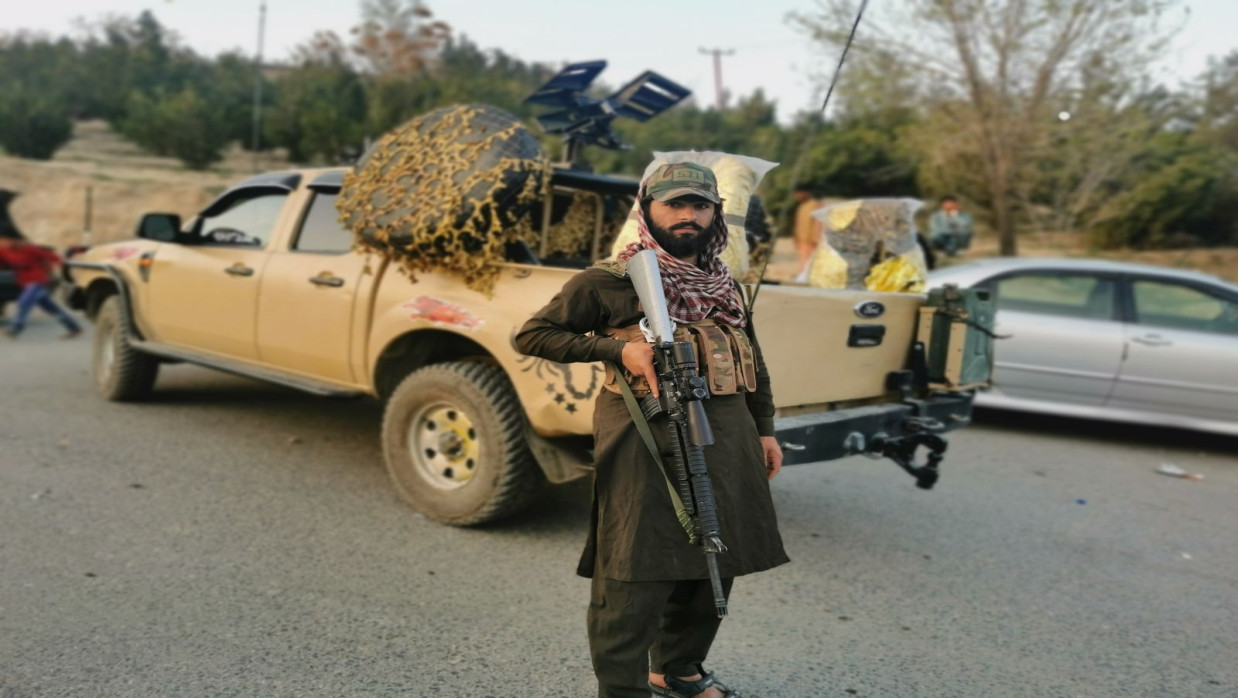
The security landscape of Pakistan in 2025 delivered a stark and sobering message: militancy has not only returned, it has resurged with alarming intensity. After years of costly counterterrorism campaigns and hard-earned operational experience, the country once again finds itself confronting a familiar but evolved threat. The latest security indicators make one fact unmistakably clear—2025 was not just another violent year; it was a turning point that demands a tougher, more assertive national response. At the heart of this renewed instability lies a persistent and undeniable catalyst: Afghanistan’s failure to curb militant groups operating from its soil.
National-level security data reveals a sharp escalation in terrorist violence across Pakistan during 2025. Nearly 700 terrorist attacks were recorded nationwide, marking a dramatic rise compared to previous years. These attacks claimed over a thousand lives and left more than 1,300 people injured, underscoring the widening human cost of militancy. What is particularly disturbing is that this surge occurred despite record militant fatalities at the hands of Pakistani security forces. The conclusion is inescapable: militant pipelines are being replenished faster than they are being dismantled.
Khyber Pakhtunkhwa once again bore the brunt of this violence. With 1,762 terrorism-related incidents, the province emerged as the epicenter of militant activity. Districts bordering Afghanistan—such as Bannu, North Waziristan, and Dera Ismail Khan—remained consistently under attack. These areas have historically been vulnerable due to geography, but the scale and persistence of violence in 2025 indicate a deeper structural problem. Militants are not acting in isolation; they are operating as part of a broader cross-border ecosystem that continues to thrive in post-2021 Afghanistan.
The evolving nature of terrorist tactics further amplifies the threat. Militants relied heavily on small-arms fire, but also demonstrated continued capacity for high-impact explosive attacks, including suicide bombings. Targeted killings, extortion, and the use of modern tools such as drones reflect a level of sophistication that cannot be sustained without external sanctuaries and logistical support. This is not a decentralized, dying insurgency—it is an adaptive militant enterprise with regional depth.
Against this backdrop, Pakistan’s law enforcement and security agencies displayed notable resilience. The Khyber Pakhtunkhwa Police and other security institutions conducted thousands of intelligence-based operations, neutralizing hundreds of militants and arresting key facilitators. Preventive measures improved significantly, with a marked increase in foiled attacks and interdictions. Bomb Disposal Units and K-9 teams defused hundreds of explosive devices, saving countless civilian lives. These efforts highlight Pakistan’s institutional capacity and operational competence.
Yet, operational success has not translated into strategic stability. The reason is simple: Pakistan is fighting with one hand tied behind its back. As long as militant groups enjoy safe havens across the border, domestic counterterrorism efforts will remain reactive rather than decisive. Since the Taliban’s return to power in Kabul, Pakistan has repeatedly flagged the presence of TTP and allied groups inside Afghanistan. These concerns have been met with denial, inaction, or vague assurances—none of which have altered realities on the ground.
The Afghan Taliban’s inability—or unwillingness—to prevent their territory from being used against Pakistan has had direct and measurable consequences. Cross-border attacks, militant infiltration, and ideological reinforcement have fueled the 2025 surge. This is not a matter of perception or propaganda; it is reflected in casualty figures, attack patterns, and geographical concentration of violence. Ignoring this linkage only emboldens militant actors and weakens regional security.
For Pakistan, the lesson of 2025 is clear: a firmer, more assertive counterterrorism posture is no longer optional—it is essential. Diplomacy with Afghanistan must be recalibrated to move beyond rhetorical engagement. Border management, intelligence-based kinetic actions, and international diplomatic pressure must form a coherent strategy. Pakistan must also continue investing in police capacity, intelligence fusion, and counter-extremism narratives at the societal level.
Ultimately, 2025 should be remembered as the year Pakistan confronted an uncomfortable truth. Militancy cannot be defeated solely through internal enforcement when its roots extend beyond national borders. A decisive stance against terrorism—backed by clarity, resolve, and strategic coherence—is the only viable path forward. Peace in Pakistan will remain elusive unless those who enable violence, directly or indirectly, are held accountable.


0 Comments
LEAVE A COMMENT
Your email address will not be published