

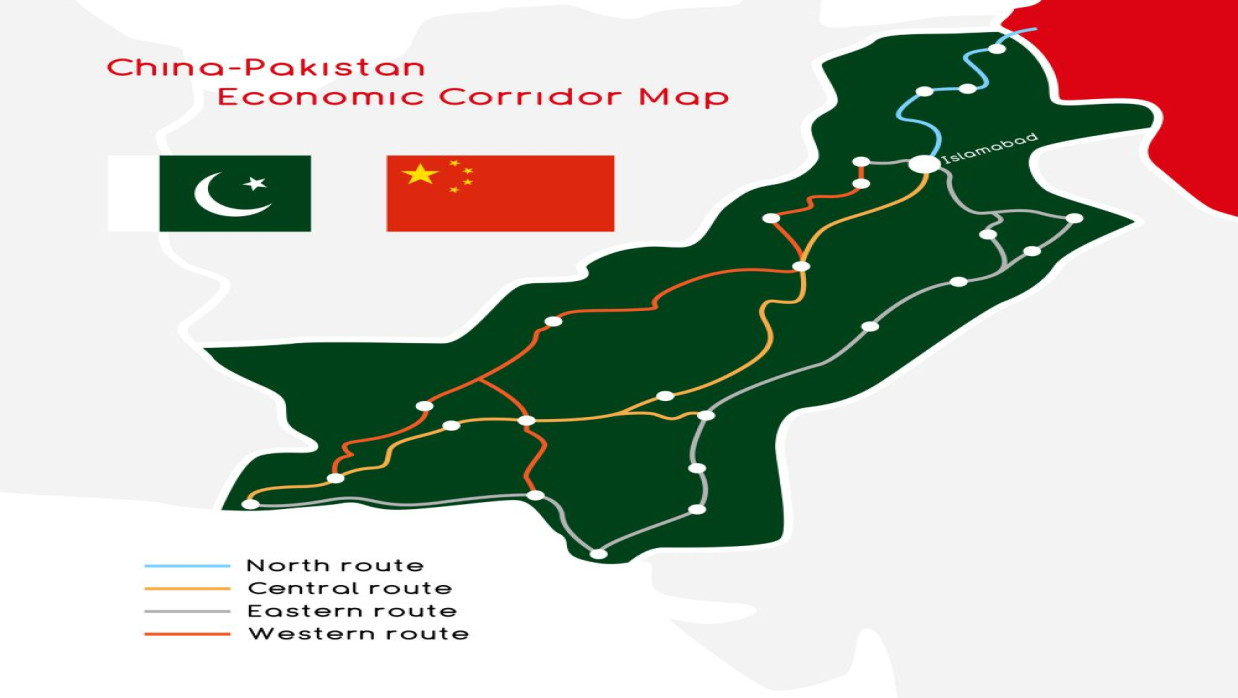
Pakistan enters a new phase of development journey of the country, with this being the latest achievement within the framework of the China-Pakistan Economic Corridor. Much more than a training center, this new center established with the patronage of the Chinese Society of Engineers and operated by global engineering heavyweight power China, should be seen as a strategic leap into a technologically empowered Pakistan capable of co-engineering the future of regional infrastructure.
Most of the engineering work related to hydropower, energy transmission, and large-scale infrastructure has traditionally been vested in foreign technical expertise. For the first time, the launching of this Centre of Excellence marks a departure from that dependency because it positions Pakistan not only as a recipient of world-class engineering projects but also as an emerging producer of high-level technical talent aligned with international standards. In other words, it has been envisioned to be a state-of-the-art facility that would provide training, certification, and upskilling to engineers for the new generation of high-technology and green CPEC projects. This facility will emerge as a hub for innovation, professional excellence, and advanced technological learning with a hands-on laboratory, applied research modules, prototype test areas, and exposure to best global practices.
This development comes at a time when CPEC is entering its second phase-that involving deeper human-resource development rather than just large investments in capital. The move, therefore, consolidates the technical cooperation between Pakistan and China. It is to be hosted and operated by Power China, globally recognized as one of the most advanced builders of hydropower and energy infrastructure. Training modules led by the seasoned instructors and technical managers will reflect stringent engineering standards in use on all Belt and Road projects around the world. This level of exposure offers Pakistani engineers an unprecedented opportunity to acquire globally competitive skills at home.
This was made possible through the mutual recognition agreement signed by CSE and PEC. The recognition framework will provide a mechanism for Pakistani engineering certifications to be recognized by Chinese contractors and institutions. This, in turn, reduces one important bottleneck that has long plagued infrastructure development in Pakistan: labor shortages induced by skill mismatches and limited accreditation pathways. When the new center goes into operation, Pakistani engineers will be able to get an internationally recognized certification under the worldwide system put in place by CSE, hence greatly enhancing their employability both at the domestic CPEC sites and in foreign markets. It thus becomes the fourth international location with a CSE-branded training hub, joining Johannesburg, Rio de Janeiro, and Cairo.
Move to further the status of Pakistan in the larger BRI network and serves as a tangible example of just how China works to achieve one of its key goals, standardizing engineering practices among all its partner nations. That is to say, prestige, opportunity, and incorporation into a global technical ecosystem for Pakistan. The training curricula of the CPEC have been strategized in line with industrial needs in Pakistan. Priority areas range from clean-energy technologies, hydropower systems, water infrastructure, transport corridors, high-voltage transmission, tunnel engineering, and smart construction tools involved in digital modeling, automation, and artificial intelligence in project management. When this country is grappling with issues like an increase in energy demand, climate vulnerabilities, and urgent needs to upgrade the transport network, it would mean that these are the very specific technical areas of focus needed for taking this country toward resilience and sustainability. It could not have been better timed.
Even as China has already invested upwards of USD 25 billion in CPEC, several major schemes-in infrastructure, above all-have experienced delays owing to the limited availability of specialized technical manpower within Pakistan. As a matter of fact, establishing this center was aimed at accelerating the completion of these projects by directly addressing the skill gaps through continuous capacity building in a structured manner. Besides classroom learning, the Centre will undertake joint workshops, exchange programs, and on-site training missions in China. The collaborative platforms would thus enable the Pakistani engineers to work with the Chinese experts on live mega-projects and get practical exposures to the engineering philosophies, advanced machinery, and management methodologies driving the rapid infrastructure success of China. Such exchanges should whet Pakistan's technological collaboration with China and raise a generation of engineers fluent in cross-border project execution. More than increasing the technical capacity of the country, this center points to an ideological shift in how Pakistan thinks about development.
Historically, strategic projects have been contracted out to contractors outside its borders-with little if any significant diffusion of skills or technological know-how. In this initiative, the country is taking ownership of its engineering future by growing a home-grown workforce that one day will design, maintain, and optimize infrastructure systems independently. It lays the bedrock for a self-sustaining engineering ecosystem second to none anywhere in the world and reduces reliance on imported expertise. It is a gateway to upward mobility for the youth of Pakistan, a demographic full of potential. This means state-of-the-art facilities for engineering graduates, mentorship by world-class professionals, and globally recognized certifications-things quite capable of opening up career prospects across continents. Such an initiative shall thus feed into the long-term economic stability and industrial competitiveness of Pakistan.
In the wider perspective of CPEC, this center of excellence changes the role of Pakistan from a passive partner to an active co-designer of regional connectivity, transition to clean energy, and technological development. It underlines a maturing relationship between Pakistan and China with greater stress on shared innovation, mutual growth, and deeper integration of human capital. Opening the doors of this pioneering institution opens onto a new era for Pakistan: one not merely characterized by infrastructure built on its soil but skilled minds able to design the future. More than a symbol of cooperation, it serves as a catalyst toward national transformation and a daring leap into making the country a high-skill, high-capacity technical power within the region.


0 Comments
LEAVE A COMMENT
Your email address will not be published