

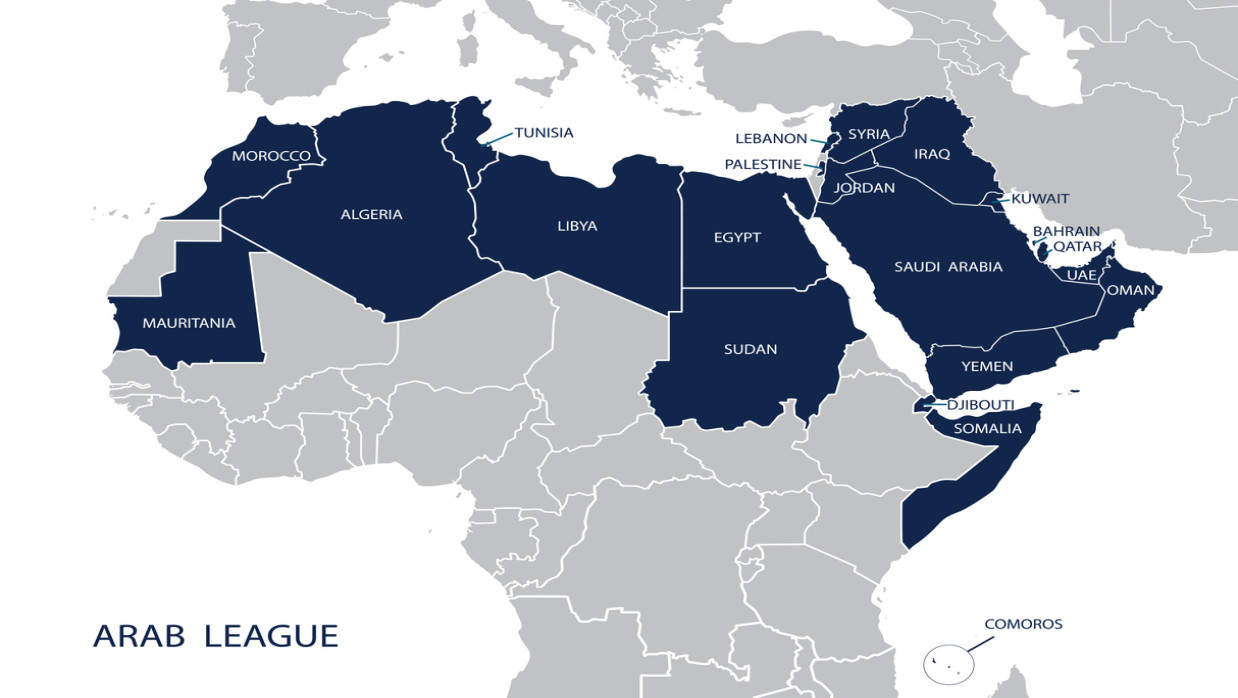
The Gulf states are transitioning to post-oil economies diversifying their oil wealth to manufacturing, tourism and technology sectors with their increasing nascent interest in investing in Artificial Intelligence (AI). It is quite natural that these states seek a stable and peaceful Middle East so that they can attract investors and tourists. However, these states with none of their own mistakes had to wade through instabilities and fallouts of wars as Israel sought to redraw the geopolitical map of Middle East according to its perceived interests and sense of insecurity.
Countries of the Gulf region perceived Iran’s nuclear ambitions and its destabilizing role in the region through its proxies, disruptive and subversive roles of radical Islamist groups including Al Qaeda and ISIS as major security concerns in the first two decades of this century. However, Israel’s unmitigated military offensives started in Gaza in late 2023 retaliating to Hamas’s attacks and its missile attacks on Iranian nuclear facilities in June this year just prior to nuclear talks between Tehran and Washington turned it into an unpredictable and revisionist player in the region. The US was previously viewed as a stabilizing external force in the region because of its willingness to pick up fights against destabilizing radical Islamic groups such as Al Qaeda, ISIS and Houthis and undertake incessant efforts to contain influence and nuclear ambition of Iran in the region in order to provide necessary stability. The US made simultaneous efforts to enhance cooperation in the spheres of military supplies, trade, investment, energy supplies and technological cooperation with rich gulf states. The US remains as the largest supplier of arms to the Middle East region. Assigning topmost priority to the region, US President Donald Trump after assuming office for the second term embarked on his first overseas trip to Saudi Arabia, Qatar, and the United Arab Emirates (UAE) in May this year. But, soon the administration’s foreign policy turned unreliable and unpredictable to the friends and foes alike. The UAE, Saudi Arabia and Qatar began to hedge against US unpredictability by forging new partnerships. Saudi Arabia, for example, clinched a security deal with Pakistan. The Gulf countries, just like many regions around the globe, sought to minimize vulnerability to erratic foreign policy posturing of the Trump administration by multiplying their options and granting them greater freedom to navigate these options and secure themselves.
US Efforts to Rebuild Trust
The Trump administration 2.0 tried to remove the dust that emerged in its first tenure with engendering of a sense of unpredictability as to the acceptance of the US as a security provider and credible partner among the Gulf states when the administration had demonstrated weak and calculated response over the Houthis’ drone and missile attacks on Saudi oil installations in 2019. Responding to the crisis President Trump had remarked that the US was no more reliant on Middle East for energy resources. The administration also required more evidence as to the Iranian involvement in the attacks.
The Trump administration 2.0 during his election campaigns promised to end the war in the Middle East region and it took on the Houthis to clear the commercial shipping lanes and blockades imposed by the rebels in the Red Sea through which Gulf states transport their energy resources. Even as the US had to get entangled in a prolonged war and squander economic resources to degrade the military capabilities of the rebels, it still pursued the strategy resulting in a ceasefire without taking Israel on board.
The Gulf states have also been crucial to brokering peace between the US and different other players in order to promote peace and security in the region for instance, Qatar has been a chief US broker in Afghanistan, Gaza, Syria, and Iran. Saudi Arabia is hosting talks between Washington and Moscow while opening up to Tehran. Oman helped secure a ceasefire between the Trump administration and the Houthi militia.
The US and Gulf states are cooperating on building economic and technological synergies towards enhancing investments in AI and cloud computing and by facilitating access to advanced and critical technologies developed in the US with a bid to offset growing influence of China in the Middle East primarily in the area of Artificial Intelligence.
US Needs to Regain Credibility as a Security Provider
Israel’s missile attacks against Iran and the American willingness to throw its complete weight behind the missile strikes by accentuating the pressures with its own strikes against Tehran’s nuclear sites placed the Gulf countries in a quandary as to how to handle the crisis which was invigorating American slide towards Israel rather than buttressing the US being a stabilizing force in Middle East. The Gulf countries considered a multipolar Middle East without a single predominant power as critical to peace and security in the region. While Iran’s nuclear and missile power has been degraded temporarily, it is likely to rebuild its lost power quicker than anticipated. The military attainments of the Israeli and American attacks on Iran are still unknown without direct access of International Atomic Energy Agency (IAEA) inspectors into the country. How much of Iran’s nuclear materiel have been moved to unknown sites are also not clear. While a robust nuclear deal is need of the hour, Iran must have lost faith in the effectiveness of diplomacy. Israel on the other hand has emerged as a recalcitrant and revisionist nuclear power in the region that poses real challenge to the US diplomatic efforts at reaching a deal. Israel’s continued military move to take wars against all proxies of Iran apart from the Iranian mainland must have reduced appetite for a deal while enhancing a feeling of vengeance in Iran. Following the Iranian strike against the US military base in Qatar, a sense of insecurity and vulnerability was engendered among the Gulf countries that Israeli attacks can have ripple effects on them. This apart, Israel has illegally occupied territories in Syria and launched missile attacks deeper into its territory under the pretext of protecting the Druze minority from marginalization whereas these strikes caused more instability as claimed by the Syrian authorities. Continuing Israeli military drive towards destruction and depopulation in Gaza strip and resettlement of Israelis, intimidation of Palestinians and destabilization in West Bank without any statements and rhetoric from Israeli leaders on post-war restitution of institutions has disturbed the people and authorities in the Gulf region. On the contrary, The ceasefire between Israel and Hamas is not only temporary but seems to be fragile as well with intermittent violations by Israel. Israel is less likely to give up the war without reaching the goal of disarming and destroying the Hamas completely and all the while pressing ahead with an expansionist policy across the region. In a similar vein, the US has offered no plans for turning the ceasefire into permanent peace in Gaza. President Trump had instead suggested the inhabitants to vacate Gaza to turn it into ‘Riviera of the Middle East’. The US failure to address Israel’s revisionist ambitions systematically beyond occasional caveats emerged as a major cause of insecurity confronting the Gulf countries.

0 Comments
LEAVE A COMMENT
Your email address will not be published