

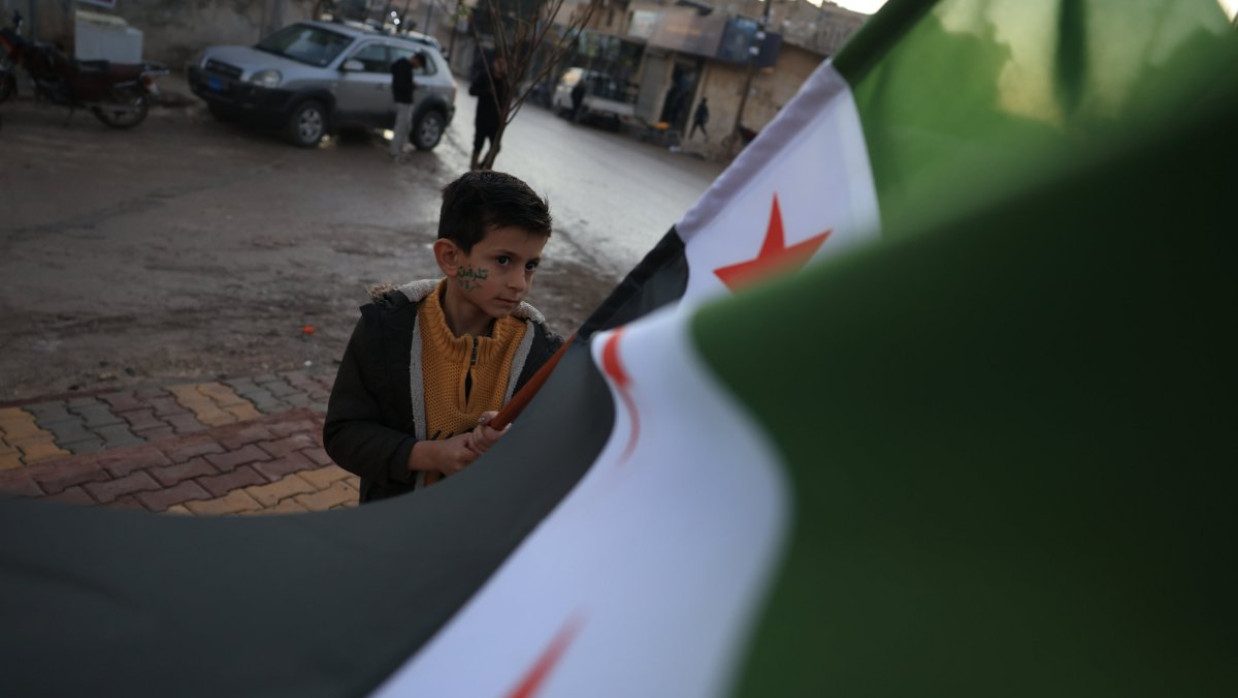
The Syrian government led by President Ahmed al-Shara has been confronting enormous challenges in meeting the daily basic needs of its people while economic predicaments compounded by displacement, unemployment, food insecurity and high inflation still haunt many parts of the country. The imperatives of rebuilding the country that would need inclusive political institutions, impartial judicial architecture and robust socio-economic institutions alongside continuous flow of aid and assistance continue to hover like the sword of Damocles over the government. A truly democratic structure can be founded upon an independent and impartial judiciary that can deliver justice to the victims of the atrocities committed by the decades old Assad regime and of the vengeance that continued during and after the transition period.
The silver linings for the government are the Trump administration has lifted previous sanctions those were imposed on the Assad regime and countries such as Saudi Arabia and Qatar have committed millions of dollars for rebuilding the war-torn country.
However, the challenges far outnumber and outweigh the upsides. Syria will need a whopping sum of $216 billion for reconstruction which would require many powers including the US and Europe to commit a large sum towards this end. Syrians are not content with the current state of economy and public services. There is a growing disagreement in the society as to which ethnic group’s suffering deserves immediate attention. President Shara’s government has largely derived its legitimacy and popularity except a few regions for it has supplanted a highly unpopular and despotic Assad regime. But, its acceptability will hinge on the ways it addresses key issues afflicting the citizens.
Sordid State of Economy, Trust Deficit and Sectarian Cleavages
Half of the citizens do not yet have confidence that the country’s unicameral legislature - People's Council can represent their interests and yet fewer people believe that equal opportunities were provided for exercising political rights and contesting the recent elections on 5th October, 2025. The trust deficit would impede the governance of Shara’s government even while it currently stands privileged for its nascent stage that replaced decades of destruction, displacement and enormous human casualties. The sordid economic conditions defined by the country’s inflation which stands at mammoth 31 percent and gloomy picture of unemployment and destitution raise the immediate difficulties for the government to stabilize the society and enhance the trust level among people.
Syria’s Sunni Arab majority who had been suffering from repression and ethnic persecution and exclusion under the Assad regime dominated by Alawites are engaged in retributory attacks against the Alawites in Latakia and Tartus avenging on the past injustices. Similarly, the Druze minority that was ethnically accommodated under the Assad regime is apprehensive of systematic ethnic persecution and exclusion.
Around 70 percent people of Syria are internally displaced that has magnified the food crisis and 70 percent of people need humanitarian aid. Delivery of public services to Syrians such as electricity, water and health-care system is far from adequate. The people of regions where minorities are numerically superior such as Sweida, Tartus and Latakia feel insecure and feel deprived of basic freedom. Formidable challenges lie ahead to build an independent judicial system to deliver justice to people across the sectarian divisions. Where the majority ethnic community has replaced the minority ethnic community’s despotic rule and retaliatory actions continue, placing mechanisms for ensuring transitional justice remains highly contested.
Moreover, Syria has become mired in the Middle Eastern regional politics. While Turkey has been backing the government led by Shara, Israel has been backing the Druze minority. It has been witnessed how Israel has frequently intervened and carried out attacks across Syria to maintain its sphere of influence and specifically in Southern Syria to protect the Druze minority from marginalization that instead stoked more sectarian violence and chaos in the country. Following the fall of Assad regime and weakening of Iran through direct attacks on its nuclear sites by Israel and the US and systematic decimation of its proxies by Israel in the Middle East and Russia's entanglement in Ukraine for more than four years bleeding its human and material resources, both Russia and Iran have turned out to be minor players in Syria. If the government gradually fails to forge trust, societal unity and political stability, these actors will again be active taking advantages of the sectarian cleavages. The essential requirement of state is monopoly over use of force that the Syrian state still lacks. Many non-state actors and individuals still possess weapons along the sectarian lines and wield power that can undercut the state's ability to govern.


0 Comments
LEAVE A COMMENT
Your email address will not be published