

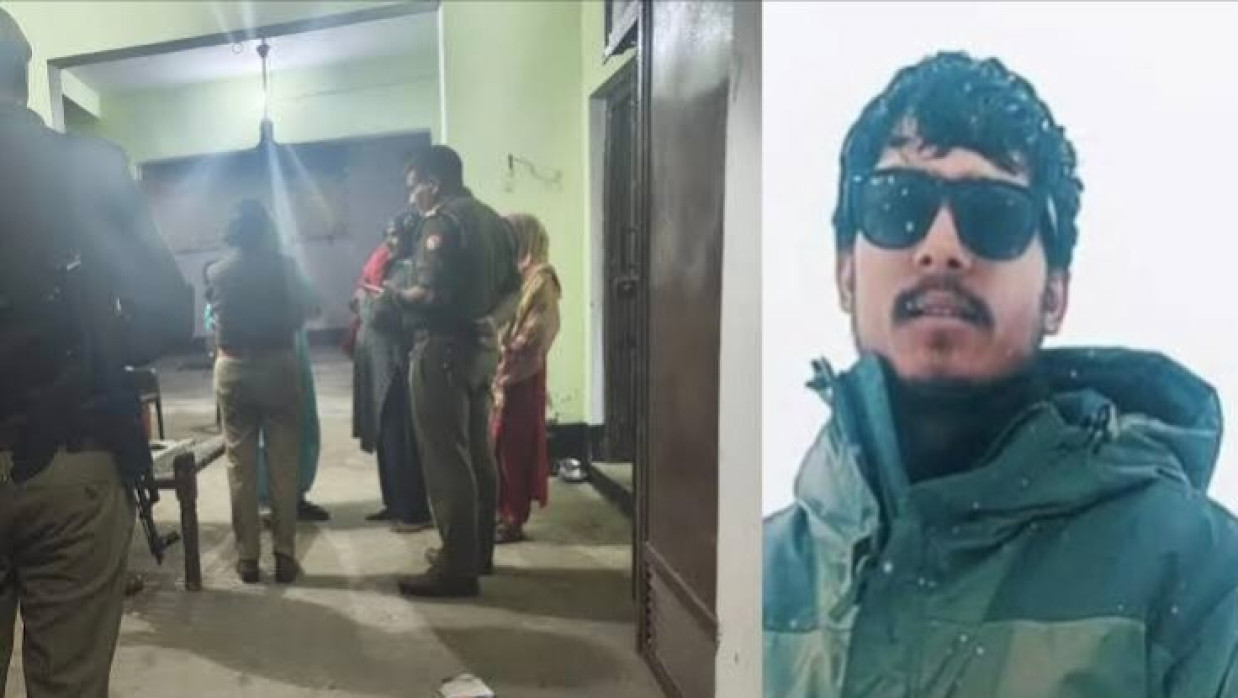
On the night of 8 November 2026, a Diwali celebration in Gopalpur Khadana village in Baghpat, Uttar Pradesh, turned violent. Saurabh Tomar, a 26-year-old soldier posted with the President’s Bodyguard at Rashtrapati Bhavan, was shot in the head. He had come home on leave for the festival. Police say the trouble began over firecrackers, when neighbours objected to Tomar and his family bursting them outside their house.
According to police, the argument grew heated. One of the accused, named Dheeraj, allegedly pulled out a country-made pistol and fired. Police say the bullet hit a wall and ricocheted into Tomar’s head, just behind his ear. His family rushed him to a local health centre, and he was then moved to a private hospital in Meerut. Doctors operated to remove the bullet, and he was placed in intensive care. Reports say his brother was also hurt in the fight.
The Arrests and His Condition
Some early reports said the accused were on the run. Later reports show police made progress. On 13 November, two accused were arrested after an encounter in Baghpat. Police also said one of the accused had been placed under preventive detention in 2015. The latest reports describe Tomar’s condition as stable, which is a relief for his family. The case is still being investigated, and the court will decide who is guilty.
Some details differ between news reports, such as the soldier’s exact age. Most reports say 26. That is why it is best to rely on police statements and wait for the final investigation.
Even with these corrections, the case is troubling. A man trusted to guard the head of state was nearly killed in a village quarrel over firecrackers. It shows how easily a small dispute can turn deadly when illegal firearms are within reach. The country-made pistol is a common problem in parts of Uttar Pradesh. Strong action against illegal weapons would protect ordinary citizens as much as soldiers on leave.
It is important to be fair about one point. Tomar was the victim of a neighbourhood dispute, not part of any violence inside the forces. Reports do not suggest that he used his position or influence in the quarrel. His case also should not be mixed up with the data on suicides and fratricide that follows. It is a separate issue. It does, however, put a spotlight on how safe, and how well supported, India’s uniformed personnel are.
What the Government Figures Show
Official figures show a real welfare problem in India’s central forces. In December 2025, the government told Parliament that 438 suicides and seven fratricides were reported among personnel of the Central Armed Police Forces (CAPFs), Assam Rifles and the National Security Guard between 2023 and 2025. Fratricide means a serving person killing a colleague.
The numbers need careful reading. Suicides fell from 157 in 2023 to 148 in 2024 and 133 in 2025, so the trend is slightly better. Fratricide cases rose in the same period, with two in 2023, one in 2024 and four in 2025. The CRPF had the most suicides over the three years at 159, followed by the BSF at 120 and the CISF at 60. These are heavy losses for forces that guard borders, protect cities and respond to emergencies.
The government itself has named several causes. They include depression and other mental-health problems, domestic disputes, personal conflicts and work-related stress. Experts add other factors. Many personnel are posted far from home for long periods. Leave can be hard to get. Duty hours can be long. Some jawans say they cannot speak openly with officers about their problems.
The government says it is working on the issue. It formed a task force to study the risk factors, and it has pointed to steps such as regular talks between officers and soldiers. Critics respond that the numbers are still too high. They also note that more than 23,000 personnel in the CAPFs and Assam Rifles resigned between 2014 and 2025, which suggests many are unhappy with working conditions.
Discipline and Welfare Go Together
Armies and police forces are praised for discipline and brotherhood. But discipline is not only about orders and parades. It also depends on how well a force takes care of its people. A soldier who is tired, worried about his family, or afraid to ask for help is under strain, and that strain can end in tragedy.
When a colleague kills a colleague, it points to a breakdown in trust and command. When someone takes their own life, it points to a gap in care. Leaders can praise their forces from the podium, as they often do. But the real test is what happens in the barracks, in the camps and in the hearts of those who serve.
Several steps would help. Counselling and mental-health services should be easy to reach and free of stigma. Leave rules should be fair, so jawans can spend time with their families. Officers should be trained to listen and to spot early signs of distress. Complaints about bullying or unfair treatment should be heard quickly and honestly. And the government should publish clear, regular data so the public can see whether things are improving.
Finally, the wider society has a part to play. Stricter control of illegal weapons would make villages like Gopalpur Khadana safer for everyone, whether in uniform or not.
India rightly honours its soldiers. The best way to show that respect is to protect them, at the border, in the barracks and at home.


0 Comments
LEAVE A COMMENT
Your email address will not be published