

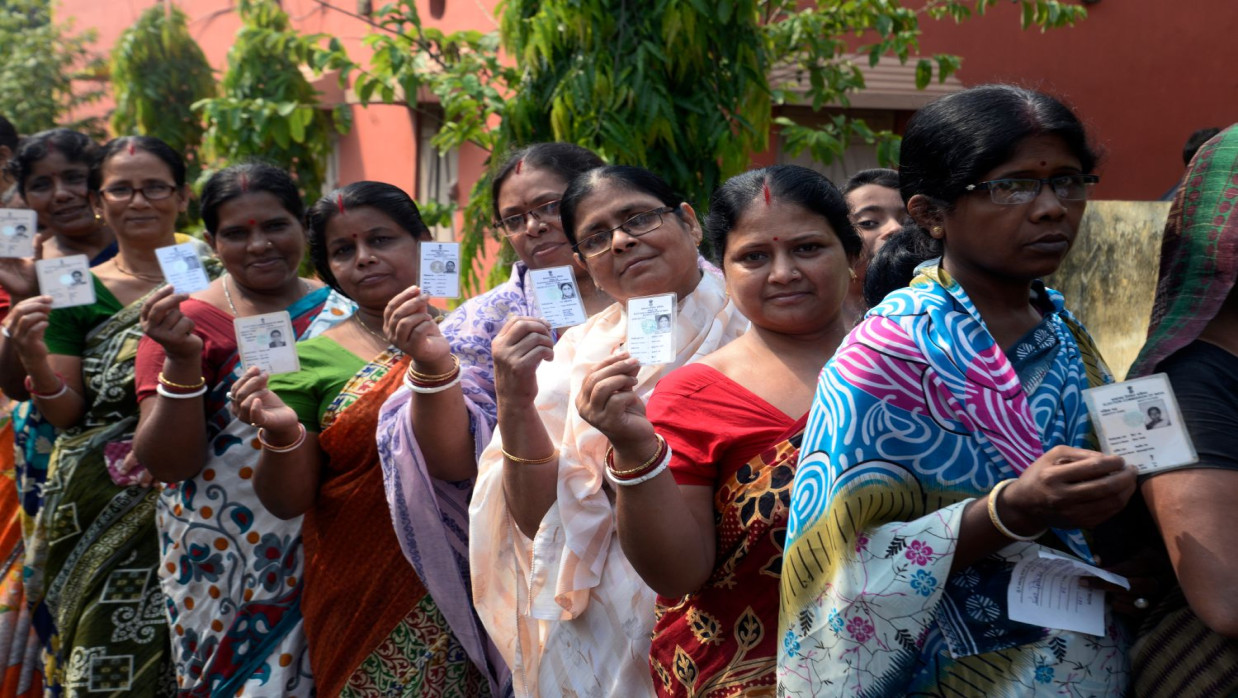
India’s Special Intensive Revision (SIR) of electoral rolls has evolved from an administrative exercise into a major national debate over electoral inclusion, transparency and the protection of voting rights. Initiated in Bihar through an Election Commission of India (ECI) order dated 24 June 2025; the exercise has subsequently been expanded to numerous states and Union Territories. The ECI says its purpose is to ensure that electoral rolls contain eligible citizens while removing deceased, shifted, duplicated or otherwise ineligible entries.
The scale of the exercise, however, has generated concerns among opposition parties, civil-society groups and international human-rights experts. In a communication dated 1 May 2026, three UN Special Rapporteur mandates raised concerns about the large-scale removal of names from electoral rolls through SIR, particularly regarding possible effects on minority communities and the situation in West Bengal. The communication is formally recorded by the UN Office of the High Commissioner for Human Rights.
The controversy is particularly significant because electoral rolls are not simply administrative registers. They determine who can exercise the constitutional right to vote. In its May 2026 judgment concerning the Bihar SIR, the Supreme Court itself described electoral rolls as central to the composition of the electorate and representative government. The Court also recognised the importance of maintaining both an accurate roll and ensuring that eligible citizens are not excluded.
Despite all these challenges, the Supreme Court eventually affirmed the powers of the ECI to undertake the revision in Bihar, with an inquiry into the matter of citizenship for determining the eligibility criteria of a voter. It was also pointed out by the Court that the removal of a person from an electoral roll did not constitute a declaration of a person not being a citizen of India. Moreover, the Supreme Court also ordered some cases regarding citizenship to be taken up before the concerned authority.
The above-mentioned clarification by the Supreme Court is very important to comprehend the whole dispute. According to the advocates of the SIR procedure, periodic updating of electoral rolls is necessary since various factors like death, migration, double registration and many more may accumulate in due course of time. According to ECI, the exercise is conducted to maintain the sanctity of the election process by ensuring neither ineligible nor eligible registration.
Critics, however, focus on the practical consequences of requiring large numbers of citizens to establish eligibility through documentation or historical electoral records. They argue that legitimate voters may face difficulties because of migration, missing documents, changes in residence, inconsistencies in older records or technological errors. These concerns become particularly consequential when millions of names are involved.
West Bengal illustrates the scale of the issue. Election Commission data reported after the state's SIR showed millions of deletions from the rolls. Business Standard, citing official data, reported that approximately 9.08 million names had been deleted during the process, although the final status of the electorate continued to involve claims, objections and subsequent changes. The state election authorities have separately maintained deletion lists, supplementary lists, draft rolls and final rolls, demonstrating that the process involves multiple stages rather than a single irreversible act.
The minority dimension has nevertheless attracted particular international attention. The UN Special Rapporteurs' communication specifically referred to concerns about minority groups and West Bengal. At the same time, an important evidentiary limitation remains: the ECI has not published comprehensive religion-wise deletion statistics that would allow an independent nationwide assessment of whether Muslims have been disproportionately removed. Consequently, allegations of systematic religious targeting should be distinguished from verified aggregate data.
This distinction matters because India has a large Muslim population and electoral geography can make minority voting patterns politically significant in particular constituencies. However, demographic weight alone does not establish that an electoral revision has been designed to reduce the political influence of a particular community. Demonstrating such a conclusion would require reliable evidence linking deletions to religion, political affiliation or deliberate discriminatory criteria.
This has not deterred the political discourse from escalating. The opposition and activists have labeled the SIR as a form of “vote theft” and have raised concerns that excessive documentation may serve as a hindrance to participation in the electoral process. The proponents of the reforms, however, refute such claims and contend that an accurate electoral process is vital for democracy. The controversy centers on the issue of balancing two goals: one, ensuring accurate registration of voters and, second, preventing any inaccurate registration.
Delhi has added a fresh dimension to the controversy. Around 47 lakh names were excluded from the draft electoral roll, while more than 33 lakh electors were issued notices over alleged “logical discrepancies” or problems linking their records to earlier rolls. On 22 September 2026, the Supreme Court questioned the ECI about the basis for issuing such notices and indicated that additional filters or safeguards might be necessary. The Court was particularly concerned that notices appeared to have been issued “mechanically.”
The example of the Delhi poll suggests why transparency might eventually be as crucial as the actual revision process. In case a voter is disallowed from voting or required to prove his/her eligibility to vote, he/she needs to understand the reasons for that decision, see what evidence was used, and have the possibility to correct the situation in some way. There are mechanisms for registration, correction, deletion, and searching of the electoral roll available in ECI, as well as claims and objections under the SIR procedure.
Thus, it would not matter much how many names were deleted – it would be crucial for the credibility of India's democracy whether the procedure was transparent. Massive revision can be considered legitimate if wrong entries are determined in a consistent way and voters eligible to vote have enough possibilities to restore their status.
The final test, in the end, is rather simple each citizen who qualifies should be provided with an equal chance to stay on the electoral rolls and enjoy the right to vote. The SIR issue has put the matter under the spotlight in India. Will this exercise increase or decrease public trust? Only time will tell as long as the data is clear and the process is supervised.


0 Comments
LEAVE A COMMENT
Your email address will not be published