

When Stardom Doesn’t Protect You
Bollywood’s biggest stars are some of India’s most famous citizens. Millions watch their movies, their advertisements drive consumer trends, and their voices command attention. But their celebrity does not mean they can critique the political powers that be with impunity. Since Narendra Modi and the BJP came into power, many have argued that Bollywood has become politically compliant
Actors, directors and producers increasingly avoid criticizing the government, while some publicly endorse its policies, attend official functions and participate in carefully choreographed meetings with political leaders. Such conduct may sometimes reflect genuine ideological agreement. In other cases, however, silence or public conformity appears to be a strategy for professional survival.
The pressure does not always have to arrive through an explicit government order. Tax investigations, police complaints, censorship decisions, online harassment, organized boycott campaigns and threats to disrupt screenings can collectively create a climate in which artists begin censoring themselves.
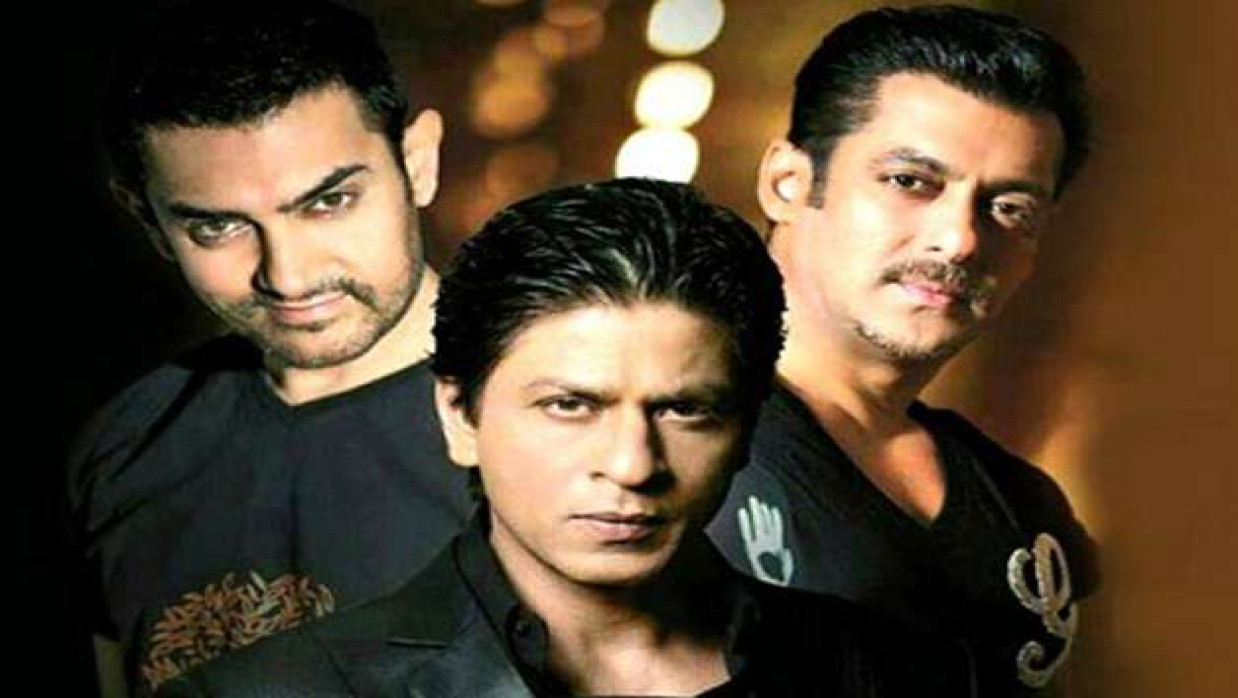
The Lessons of Shah Rukh Khan and Aamir Khan
Shah Rukh Khan, even India’s biggest superstar, hasn’t been immune. His son Aryan Khan was detained by the Narcotics Control Bureau in October 2021 following a raid on a cruise ship party he attended. He was in custody for over three weeks. In 2022, the Bureau refused to file charges against him, citing lack of evidence.
While there has been no solid evidence that his arrest was engineered to target Shah Rukh Khan, many critics saw the episode as chastising Bollywood’s biggest star and a lesson to others on how vulnerable they could be to the weight of the state. The media frenzy around the case, and several communal and political jibes at the Muslim actor, only added to the sense that no star power was big enough to withstand pressure from the state.
In another example, Aamir Khan was penalized for expressing his concern about increasing intolerance in India and his wife, Kruti Kamra, fear for their child’s future in 2015. There were protests, calls to label him “anti-national,” and demands to boycott brands that he promoted. Snapdeal issued a statement dissociating itself from his views, and the saga showed the power of internet narratives to create actual economic impact. (These were) Reported calls for boycotts, protests and messages to Khan’s business partners at the time.
The lesson for other actors was unmistakable: a single political observation could threaten films, endorsements and personal security. It is therefore unsurprising that many celebrities now speak enthusiastically about government initiatives while remaining silent on communal violence, restrictions on civil liberties or the treatment of minorities.
Cinema as an Ideological Instrument
Bollywood has always produced patriotic films, and nationalism in cinema is not inherently objectionable. India’s anti-colonial struggle, military sacrifices and national achievements deserve artistic representation. The concern arises when patriotism becomes indistinguishable from support for the governing party or when Muslims, Pakistanis, political dissenters and secular activists are repeatedly presented as threats to the nation.
Films such as The Kashmir Files, The Kerala Story, Article 370, and The Sabarmati Report have been criticized for inaccuracies in depicting history and communities as well as propagating certain agendas. The film Satluj is under censorship, and it is not clear when or in what format it will be released. It is based on the life and death of human rights activist Jaswant Singh Khalra. At its core, Satluj asks uncomfortable questions about one of independent India's most violent internal conflicts, the Punjab insurgency of the 1980s and early 1990s.
They have been lauded for being courageous films about subjects previously ignored by mainstream cinema, but also disparaged for presenting revisionist history that promotes Hindu-nationalist politics and sectarianism. Ahead of India's general election in 2024, almost a dozen films friendly to BJP narratives were released or awaiting release. Critics decried the use of cinema as a political tool to amplify the BJP's election message. Films were awarded either praise or tax breaks from several BJP-governed states, illustrating how political endorsement can manifest in rewards as well as punishments. Journalists noted ahead of the election that an unusually large number of movies pushing pro-Modi and pro-BJP narratives were either released or in production.
At the same time, filmmakers addressing politically uncomfortable subjects have faced certification delays, demands for cuts, legal challenges and difficulties securing theatrical distribution. The Central Board of Film Certification remains formally a regulatory body, but its decisions can determine whether a controversial film ever reaches the public.
A Pressure Extending Beyond Bollywood
The pressure isn't limited to filmmakers. Comics saw shows canceled after complaints from Hindu-nationalist groups. Journalists and YouTube personalities have been targets of police cases, raids, or online harassment. Sportspeople and CEOs generally steer clear of controversy. Many corporations are reluctant to publicly defend private citizens whom powerful political groups have opposed. While not every inquiry has a political angle and India does have a functioning opposition, independent judiciary, news media and filmmakers who call out powerful figures, the Modi administration and its supporters push back on charges of authoritarianism. They claim the agencies act based on evidence and nationalist films do well because people want to hear stories about long-forgotten history.
Nevertheless, democracy requires more than elections. It also requires citizens, including artists, to speak without fearing economic ruin, organized vilification, or selective legal action.
The Cost of Cultural Silence
Bollywood once offered an imaginative space in which Indians of different religions, languages, and classes could recognize themselves in a shared national story. If its leading voices become instruments of political messaging or remain silent because dissent is too dangerous, India loses more than artistic freedom. It loses part of its democratic conversation.
Celebrity compliance may protect an actor’s next film, endorsement or family. But a film industry governed by fear cannot remain genuinely creative. The greater danger is not that every Bollywood star will become a government propagandist. It is that India’s most influential cultural figures will gradually forget what it means to speak freely.


0 Comments
LEAVE A COMMENT
Your email address will not be published