

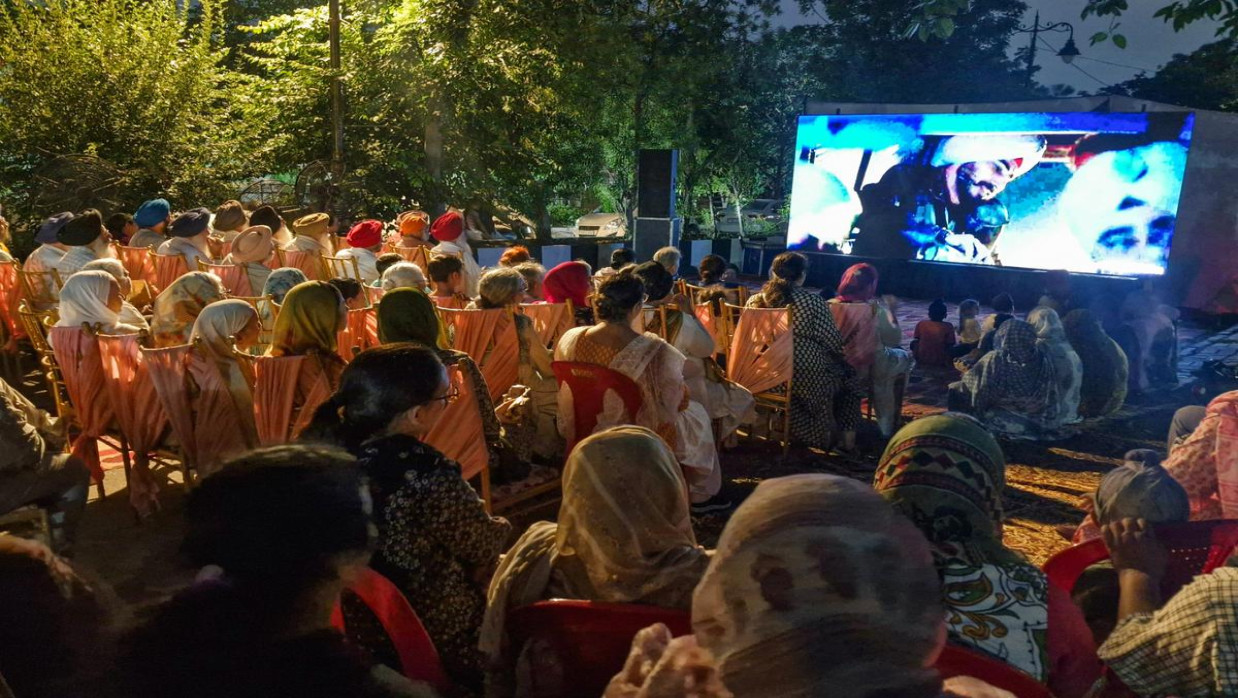
The Satluj controversy has shown us that this is not merely a battle about film censorship. In recent months, it has turned into a debate over history and accountability, free speech and dissent, and the boundaries of public discourse in modern India. The ban on the film underscores how the ghosts of India's past continue to influence policy decisions in domestic politics and national security.
The film is based on the life and death of human rights activist Jaswant Singh Khalra. At its core, Satluj asks uncomfortable questions about one of independent India's most violent internal conflicts, the Punjab insurgency of the 1980s and early 1990s. Rather than focusing exclusively on armed separatism or counterinsurgency, the film shifts attention toward the experiences of ordinary citizens and one individual who sought to uncover what happened to thousands who disappeared during the conflict. That perspective has transformed the film into one of the most politically sensitive productions in recent Indian cinema.

Punjab's Violent Decade
The insurgency drew its momentum from political, economic, religious, and constitutional causes. Sikhs had long felt aggrieved that promises made to them were broken and that New Delhi continued to interfere in Punjab's political and economic affairs.
River water-sharing disputes, farm unrest, and linguistic identity were also issues. By the early 1980s, some factions within the movement had adopted violent means to press for the creation of a sovereign Sikh state called Khalistan. Assassinations, bombings, and attacks on government officials and civilians took place. This led the Government to deploy police, paramilitary, and army forces to quell the militancy. In June 1984, the Indian Army stormed the Golden Temple complex at Amritsar and flushed out militants holed up inside.
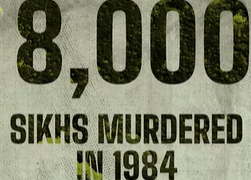
Called Operation Blue Star, the mission successfully purged the insurgents militarily but not without civilian casualties, damage to Sikhism's holiest shrine, and emotional hurt felt by Sikhs worldwide. Prime Minister Indira Gandhi was assassinated by her Sikh bodyguards later that year. Her death sparked off anti-Sikh riots across India that left thousands of Sikhs dead, especially in Delhi. Violence continued into the early 1990s.
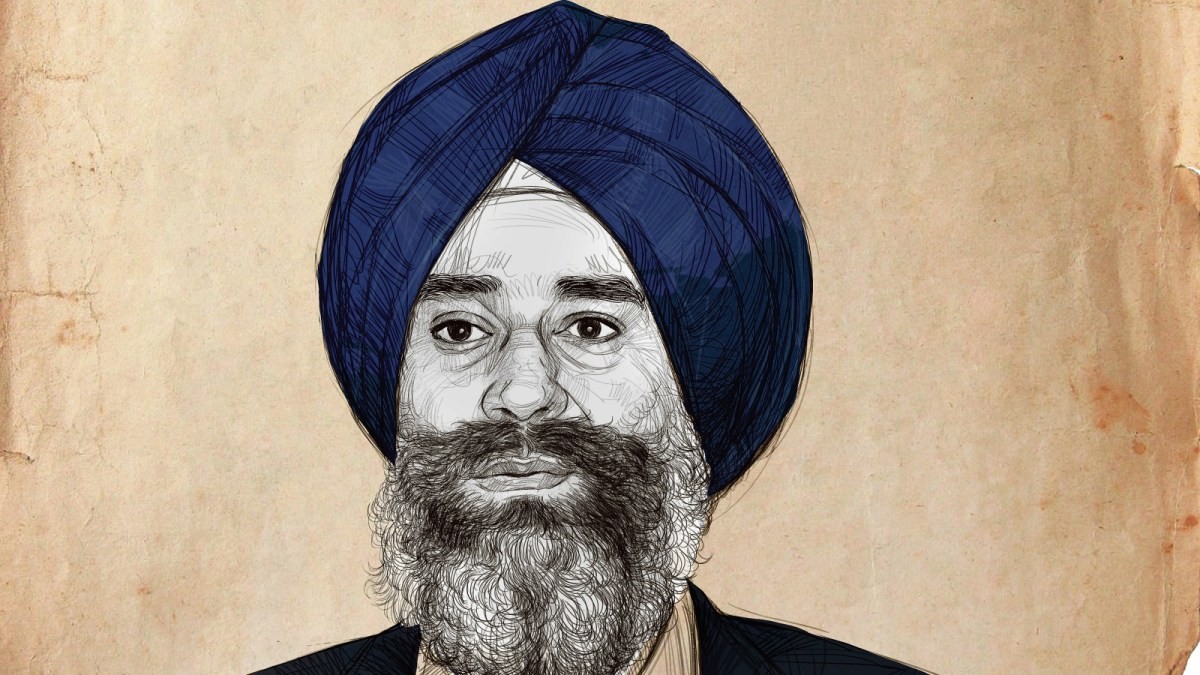
Jaswant Singh Khalra's Search for the Missing
Against this historical context, rose Jaswant Singh Khalra, a bank official turned one of the most prominent human rights defenders Punjab had ever seen.
Researching into cases of people who had "disappeared" after being taken into police custody, Khalra looked into the city government's cremation records. He came to believe that thousands of unidentified corpses had been illegally cremated without record and without family members ever being informed of their fate. Khalra claimed that these disappeared persons had been victims of forced disappearances amidst the counterinsurgency operation.
Whether all the figures Khalra worked with can be corroborated remains contested. What is clear is that Khalra brought national and international attention to claims of extrajudicial executions, custodial killings, and forced disappearances occurring in Punjab.
Khalra himself disappeared in September 1995 after being allegedly kidnapped outside his home. A number of police officials were later convicted of his killing. Khalra's body was never found.
His death transformed him into a powerful symbol of human rights advocacy and reinforced concerns regarding abuses committed during the state's campaign against separatist violence.
Why the Film Became So Controversial
Filmed under the title Punjab 95, the film reportedly underwent years of review by India's Central Board of Film Certification. The board wanted significant cuts before allowing the film's release. Instead of agreeing to several cuts, filmmakers ended up releasing Satluj on a streaming service.
Within days, however, the film was removed from Indian streaming services following government intervention citing security concerns.
Officials have argued that films dealing with separatist movements require exceptional caution because they may inflame communal tensions, revive dormant extremist sentiments, or undermine national unity. Reports have suggested that government reviewers concluded that aspects of the film conflicted with India's sovereignty and security interests.
Supporters of the ban say that the state has an obligation to restrict speech that may encourage separatism or cause people to experience past traumas again in a country with a history of pervasive violence. Opponents argue that correcting past injustices is not the same thing as encouraging separatism, and that democracies are stronger when they permit such conversations, rather than prohibiting them.
Memory Versus National Security
The Satluj episode is symptomatic of a larger debate that is playing out in democracies across the world: how to balance national security needs with historical reckonings.
Countries that have faced violent internal strife have had to grapple with how best to tell the story of ugly chapters marked by violence by militants and abuses by states deploying large arsenals in their name. Governments often focus on restoring law and order and on victory over terrorism. Victims and rights organizations demand truth-telling about rights violations during counterinsurgency campaigns.
India is no exception. Nor is it unique. Countries as diverse as Argentina, Chile, Peru, South Africa, Sri Lanka, Uruguay, Indonesia, and Northern Ireland have all asked questions about commissions of inquiry, remembrance, and transitional justice.
But there has never been a comprehensive truth-seeking exercise about what happened during the Punjab insurgency. Which is why competing narratives battle for space. While some tell stories of valiant troops who ensured the country did not rip apart by defeating fanaticism and terror, others argue a lack of accountability over allegations of human rights violations.
Cinema as Historical Memory
Movies have a way of educating the public about history that academic texts and official documents may not.
Documentaries like Satluj take audiences through Jaswant Singh Khalra’s journey of inquiry and prompt people to reflect on the human toll of decades-long political unrest. It doesn’t absolve terrorist groups of their crimes, nor does it suggest that the government should not play its role in keeping law and order. Rather, it asks if a democracy can afford to hold itself accountable in times of heightened security threats.
Audiences have been flocking to community screenings of the film across Punjab and Sikh diaspora communities with great enthusiasm, proving that interest in this period of history will persist despite bans.
An Unfinished Conversation
Satluj is ultimately about more films than one, perhaps more than two. Satluj, Ten Ek Adhua, Phantom men torn apart by bullets all these are about India’s unfinished conversation with itself. They ask questions about how democracies choose to keep their countries safe while upholding their constitutions; how nations cope with painful memories without letting either sanitized forgetting or convenient indignation chart their future course.
India will not bolster its democracy by whitewashing ugly chapters from its past. Nor will filing old cases anew with no truth, no justice, and no reconciliation to show for it bring accountability. Those killed by insurgents deserve to be remembered. But so do those whose fundamental rights were violated unlawfully by the state. True to democratic ideals, India cannot choose to honor one set of victims while forgetting the other. Nor can it protect the sanctity of its constitution by picking and choosing which facts to confront.
Will Satluj ever be released without official bans? Who knows. What won't disappear, though, are the questions it raises. Jaswant Singh Khalra will endure, not because India has answers, but because he demands we ask the questions.


0 Comments
LEAVE A COMMENT
Your email address will not be published