

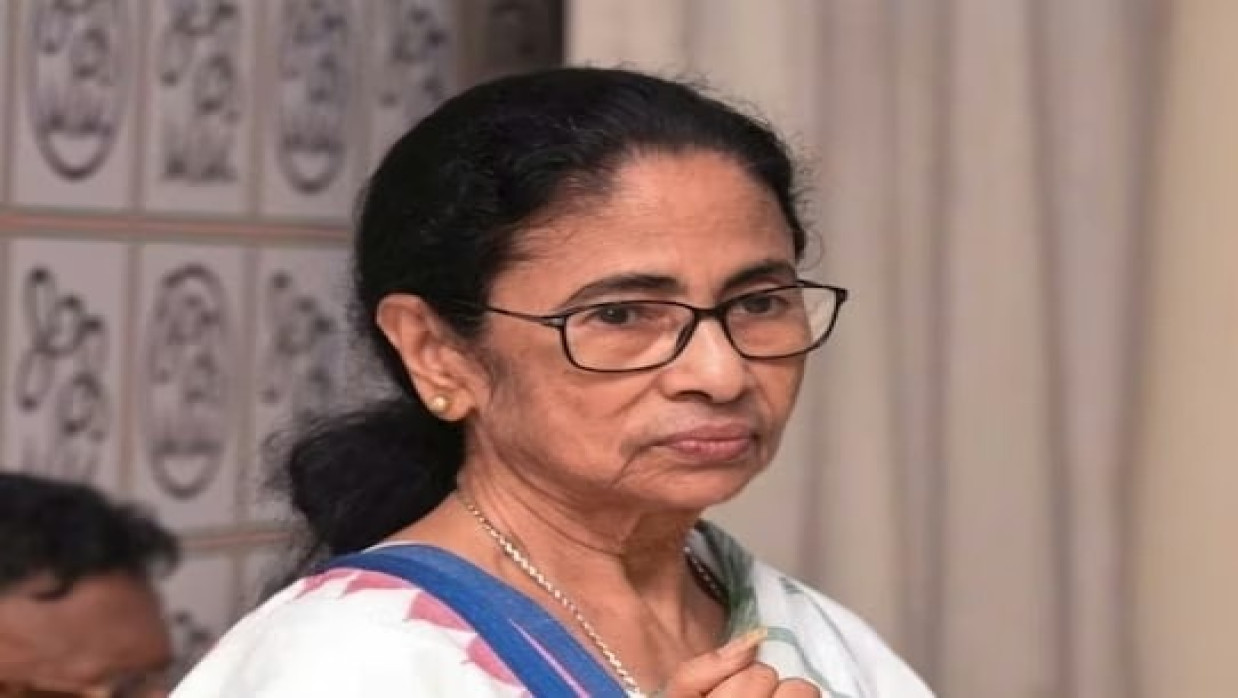
For over ten years, Trinamool Congress (TMC) has been calling the shots in West Bengal. Mamata Banerjee engineered the rise of TMC from a regional party playing the opposition to a major player in Indian politics. However, the outcome of the 2026 West Bengal Assembly election seems to have turned the tables for TMC. The scale of the defeat has sparked an internal rebellion within the party like never before, leaving many to wonder about the fate of both Mamata Banerjee and TMC's political future.
A Rebellion Unlike Any Before
It is hard to overstate how big a crisis this is for the TMC. Rumors have been swirling that there may be enough Members of Parliament willing to break away from the party high command for us to no longer be talking about a disgruntled few. Rumored to be sufficient to meet the legal threshold that prevents defectors from being immediately disqualified under India's anti-defection law.
Senior MPs resigning from parliament, combined with high-profile younger leaders leaving the party, show that this isn't just a battle between the old guard and the young guns; it is tearing the party apart, both young and old. Longtime TMC bigwigs who were bulwarks of support for Mamata Banerjee are having a change of heart about the party's future. Meanwhile, younger leaders whom we thought would be TMC leadership successors are checking out of the party entirely.
We are even seeing rumblings of discontent in the Bengal Legislative Assembly. Reports of MLAs rebelling against the party high command on organizational matters. If that isn't bad enough, the TMC used to pride itself on airtight party discipline. Those days are long gone.
The Burden of Governance and Public Discontent
Issues Beyond Just an Election Loss. While the 2026 electoral loss seems to have caused the crisis, its roots run much deeper. According to experts, the seeds of dissent have been growing among the masses for years. Many government controversies and failures since she took over from the Left Front in 2011 seem to have slowly depleted the goodwill Mamata Banerjee had accrued over the years.
Controversies over government corruption seemed to deeply anger the masses. The teachers' recruitment issue affected thousands of job seekers and caused massive outrage over the perceived lack of transparency. Several other similar incidents involving corruption in public distribution, resource management, and political favoritism, among others, only added to the public's feeling of dissent.
The sensational RG Kar hospital incident did not help the government's case when it came to maintaining law and order, as well as the safety of women. Of course, if any one scandal had caused a dip in vote percentage, it likely would've been highlighted hours after the election results were out. However, the accumulation of multiple issues over a long period did lead to strong anti-incumbency sentiment. This brought the party down to what can only be described as a reality check.
The recent election was not just about a change in power. What it did was break the illusion of Mamata Banerjee's so-called 'electability'. For the public, it was about voting out a regime that had remained in power for 16 years.
Can Mamata Reinvent Herself?
Politics provides countless examples of strong leaders bouncing back from career-defining defeats. Mamata Banerjee rose to prominence by fighting political oppression and toppling incumbents. But what she's confronting now is an altogether different ballgame. For the first time, Mamata has to confront political challenges from inside her party- the TMC.
The task of regaining the faith of her party workers, restructuring her party, and reaching out to angry Bengal voters will have to start with serious self-introspection and changes to the party's ways and leadership hierarchy. If Abhishek Banerjee is useful at all in this situation, it can only be as a tool to initiate party reconstruction.
Accepting that she's faced a serious electoral and organizational defeat will not be easy, and the same goes for gaining back whatever trust Bengal voters had left in her. The task ahead will take years, if it is achievable at all. In the short term, legal tactics and political games in parliament will dominate headlines- but the real battle will be political. Will TMC become a strong opposition party or continue to decline into irrelevance? The future of Bengal politics hinges on how they respond to this unprecedented crisis of 20/26.
Only time will tell whether this was the final nail in Banerjee's political coffin or a bump in the road for one of India's longest political careers.

0 Comments
LEAVE A COMMENT
Your email address will not be published