

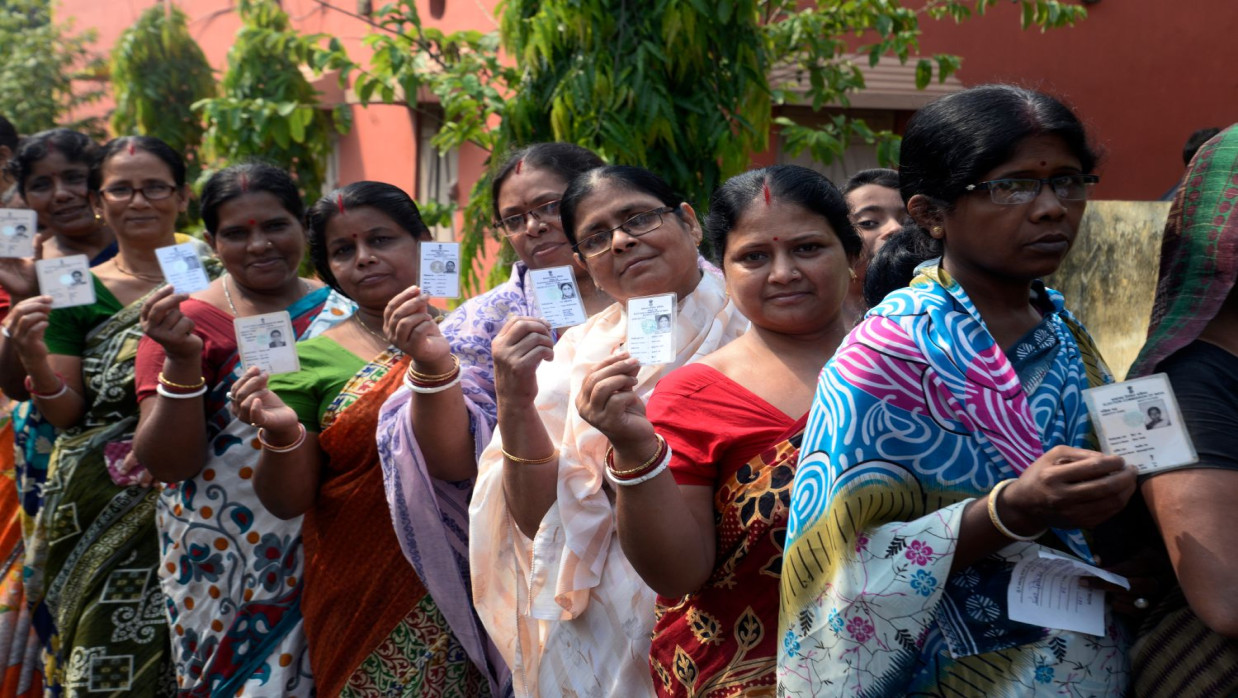
In West Bengal, the removal of close to 91 lakh names from the voters' list ahead of the 2026 assembly polls has turned an otherwise keenly contested political battle into a contest over ideas of representation and legitimacy, and raised questions about the political trajectory in the eastern state. Making up nearly 11.85 percent of the state's voters, deletions made during the Special Intensive Revision (SIR) of the voters' list will have serious ramifications for both the Bharatiya Janata Party (BJP) and its primary challenger, the All India Trinamool Congress (TMC). But more importantly, will the results now mirror 'Vote vs Verify'?
Electoral Arithmetic and Strategic Advantage
You can see the political ramifications of these deletions most clearly when you overlay them on assembly constituencies where the BJP-TMC margin was less than 10,000 votes in the 2024 Lok Sabha election. Of the 51 seats TMC won from tightly contested seats, the deletion figures for 49 seats range from 10,000 to 30,000 voters, which dwarf previous margins in many cases. That means even small swings in turnout among different communities could have major impacts on who wins.
Analysts believe a significant number of those deleted voters are Muslims and women, two demographics that traditionally make up the core support base of TMC voters. If true, this could enable the BJP to cross the 120-seat mark in the 294-seat West Bengal assembly and be well positioned to form a government.
But BJP leaders argue that this was nothing more than housekeeping. "These people who have been deleted were actually duplicate voters," party spokesperson Chandrima Bhattacharya told reporters. "Names of people in ASDD (Absent, Shifted, Dead, or Duplicate Voter categories) have been deleted from the voter list." Still, given the political optics, the deletion has left many incredulous.
District-Level Patterns and Demographic Sensitivities
The extent of deletions has been greater in some districts than in others. The districts with sizeable Muslim populations, such as Murshidabad, Malda, and North and South 24 Parganas, feature among those with the highest number of deletions from rolls. In Nadia district, for instance, deletions after adjudication accounted for nearly 78 percent of the cases challenged. In Nandigram, another constituency of political symbolism, more than 95 percent of the deleted voters were Muslims.
High rates of deletion from electoral rolls in these areas have stoked assertions from TMC leaders that minorities have been especially targeted in the revised voter list. Mamata Banerjee has alleged that the entire exercise was meant to undermine her party's social support base. For BJP leaders like Suvendu Adhikari, however, it served only to "cleanse" irregularities that had inflated voter rolls in these constituencies.
Party political disputes over electoral roll management reveal how the administration of elections has become politics by other means.
Identity Politics and Competing Narratives
The controversy has also brought back old debates over identity, citizenship, and immigration that have long been part of West Bengal's political landscape. The BJP has stoked fears over illegal immigration and fake voters, arguing that this revision was long overdue. In contrast, the TMC has claimed that the revision drive will disenfranchise genuine citizens and damage Bengal's pluralist legacy.
Essentially, the debate between the two parties has come down to their conflicting visions for West Bengal's future. On one hand, the BJP wants voters to see the upcoming election through the lens of national security and demography. On the other hand, the TMC is trying to appeal to voters' sense of regional pride and inclusivity towards minorities. Either way, the voter list controversy has turned into a polarizing issue in this election.
A Test for Institutions and Democratic Credibility
The Supreme Court of India further escalated tensions by refusing to order the restoration of deleted names on an interim basis.
There is limited scope for appeal with only a handful of tribunals, and election day draws near. Thousands will struggle to complete the voter enrolment procedures in time to restore their voting rights before it's too late.
Far from a two-party competition, the 2026 West Bengal election will serve as a referendum on the sanctity of our electoral processes. Will these deletions be seen as a much-needed cleanup or politically motivated voter suppression? Only time will tell.
Until then, the erasure of 91 lakh voters may be the biggest political development in Bengal this year, before the first vote is even cast.


0 Comments
LEAVE A COMMENT
Your email address will not be published