

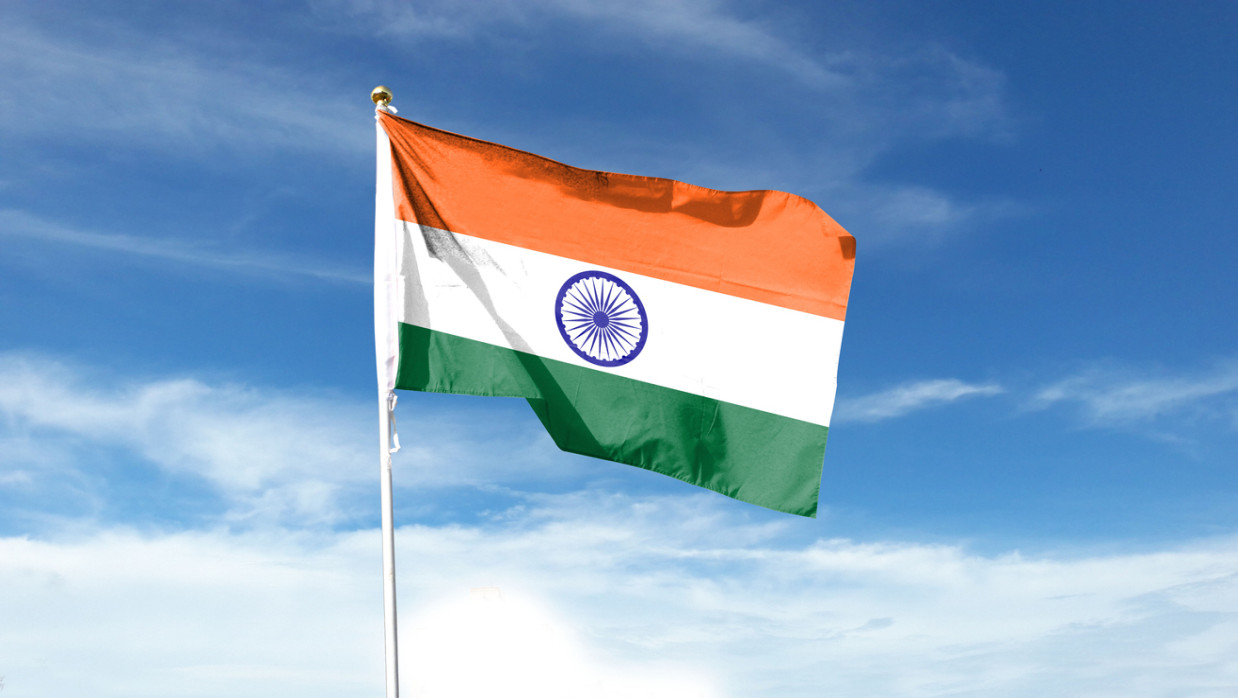
Since its independence, India's foreign policy has oscillated among strategic autonomy, regional power aspirations, and multi-alignment to optimally serve its interests. However, recently, there has been an incongruity between diplomatic posturing and strategic outcomes. As a result, there have been discussions about whether India’s outreach has begun to flatten. Recently, there has been a disconnect between its domestic strategic narrative and its external realignment, evident in West Asia, South Asia, and the Indo-Pacific region.
India has developed a fairly robust domestic messaging architecture that positions it as a ‘meaningful power’, with its policymakers emphasizing its centrality to containing international crises. During the 2019 Lok Sabha elections, it was claimed that India played a pivotal role in the diplomatic efforts between Russia and Ukraine, which helped end the conflict. Indian diplomacy has struggled to match its words with concrete outcomes ever since, with limited involvement in mediation efforts in the Russia-Ukraine crisis. More recently, India claimed credit for negotiating the release of Indian crew members from a hijacked Vietnamese tanker in the Gulf of Oman, but had little to offer when the crisis erupted in the Gulf. This exemplifies India’s inability to consistently position itself as a global power.
Indian analysts reacted sharply to the news that the Pakistani Prime Minister had been consulted before Pakistani communications were sent to Iran and the United States regarding the crisis. Whether perceived or real, this development strikes at India’s foreign policy narrative of being the ‘preferred partner’ for cooperation and crisis de-escalation in South Asia and signals a shift in attitudes of both Iran and the US towards India’s role in regional crisis management.
On another front, India showcased its ties with Israel in New Delhi just days before the Israelis started bombing Iran. There was confusion about India’s messaging in West Asia when PM Narendra Modi tweeted congratulations to Israel on ‘strengthening bilateral ties’ with India just before the crisis erupted. India initially refrained from issuing a strong public statement following the death of Ayatollah Ali Khamenei and only responded a few days later when its Foreign Secretary signed the condolence book at the Iranian Embassy. This cautious diplomatic approach created an impression among some observers that New Delhi was prioritizing its strategic alignment with Israel while attempting to maintain relations with Iran.”
India relies on the Persian Gulf for 80% of its energy needs, and approximately 60% of its oil needs pass through the Strait of Hormuz. Stability in West Asia is not a question of “sympathy”, but national security for India. Escalation of the crisis without India’s visible involvement only subjects India to oil price shocks, which are detrimental to Indian consumers. In 2021, Indian inflation hit a four-year high of 4.95% due to rising oil prices. India should conduct outreach to all parties involved and remain actively involved in de-escalation efforts.
The other strand that directly affects India’s foreign policy has been the tendency over the past few years to equate engaging with the US with India’s external behavior. While increased defense interoperability and India’s growing importance in the Indo-Pacific region, due to its relations with the US, are positives, using Washington as a prism through which New Delhi views the rest of the world has left India with less diplomatic room to maneuver on issues such as sanctions regimes and energy purchases. Additionally, when India has adjusted its oil imports in response to external pressure, commentators have often viewed this as a weakness rather than a pragmatic exercise of India’s sovereignty.
Ironically, another factor contributing to public understanding of foreign policy issues has been Indian politicians’ own rhetoric. Unlike in the past, where political leadership was relentlessly criticized by media houses for foreign policy failures, there seems to be a supportive echo chamber for most discussions today. This has unfortunately led to self-correction being much lower than it should be, leaving the general public unaware of emerging threats to India’s national interests. Robust discussions, critiques of our institutions when required, and healthy fear or respect are features of a strong democracy that benefit foreign policymaking, not hurt it.
Thirdly, India’s own foreign policy journey as it seeks its place in the region has also shaped how it is viewed. India’s relationship with its neighbors is fraught at best, and China will remain its competitor for the foreseeable future. Against this backdrop, any possibility of India being isolated (even if for a short while) is highlighted far more than it should be. For India to play a leadership role in the region, it needs more than just a capable military and the fastest-growing economy. It needs its partners to trust it and look towards it for leadership during a crisis.
Finally, it must also be noted that India is far from diplomatically cornered. India’s importance as a market, its young demographics, its soft-power reach, its skillsets, and its deepening defense cooperation with many countries will ensure that India continues to matter to the world. India’s outreach to the Quad members, the Gulf Cooperation Council (GCC), and its focus on Southeast Asia show that India’s foreign policy isn’t pivoting towards any one group of countries. What India needs to work on is ensuring that its actions, partnerships, and public statements are aligned.
India stands at a crossroads where its foreign policy decisions can have long-lasting impacts. To maintain strategic autonomy, it is imperative that India continue to engage with Russia and other longstanding partners while positioning itself as a mediator on important global issues.
New Delhi must also improve how it communicates with its own public on foreign policy. As global power shifts, it will be interesting to see whether India can walk the tightrope of managing great-power competition without alienating old friends.

0 Comments
LEAVE A COMMENT
Your email address will not be published