

A house designed to watch others now watches back
Epstein’s house on Manhattan’s Upper East Side is legendary. Beyond wealth, beyond taste, beyond the hedonism… Epstein’s New York townhouse has long occupied an iconic place in the public mind as the physical embodiment of corruption.
Not all sensational revelations matter. Who slept where? Who got naked to party with whom? Bits of gossip dim in comparison to the enduring charge that Epstein’s mansion operated as a pornographic panopticon: video cameras, audio recordings, and an unstated understanding that the guests who purchased admission with their credit cards received imprisonment for something else in return. Conversations with victims. Stories from detectives.
Access to the powerful and access to leverage; invitation, champagne, orgasmic encounter (recorded), apology, rejection, fear, (potential) coercion. The complete invitation circle.
Not every allegation against Epstein and his house is provable. Nor should every document mention trigger immediate accusations. But the persistence of Epstein’s mansion-as-icon speaks to something durable: why did so many powerful people return to Epstein? And why did so many institutions wait so long to demand answers?
January 30 release: What’s next, and why you’ll see more
On January 30, 2026, the US Justice Department announced it had released over three million additional pages of documents related to Jeffrey Epstein. The new batch includes more than 2,000 videos and 180,000 still images. Combined with previous releases, more than three and a half million pages have now been released pursuant to the Epstein Files Transparency Act.
Volumetric disclosure changes the game politically. Large document dumps tend to do two contradictory things simultaneously:
Create a public event fodder for a worldwide media/online frenzy of screenshots, speculation, gossip profiles;
Create a data black hole so many documents, so many redactions (explained and inevitable), that facts can be lost in the detail.
These two impulses are already at play. Congressional hearings and US press reports describe ongoing disagreements among agencies over remaining redactions, withheld material, and individuals granted continued secrecy.
Names matter, but so does… caution
One reason large data dumps are politically hazardous for institutions is predictable: embarrassment. The most inflammatory aspect of a release like this is often the simplest. Person A appears in document B. News Break! Jeopardy!
But person A could have been mentioned instead of the primary contact. They could be included in a contact log. They could be part of a sequence of introductions that mentions dozens more names.
Correlation is not causation. But frequency, collateral information (particularly proximity to other suspects), and over-redaction can also generate legitimate questions from the public interest that responsible democracies can answer outright.
India has the most productive discussions around this
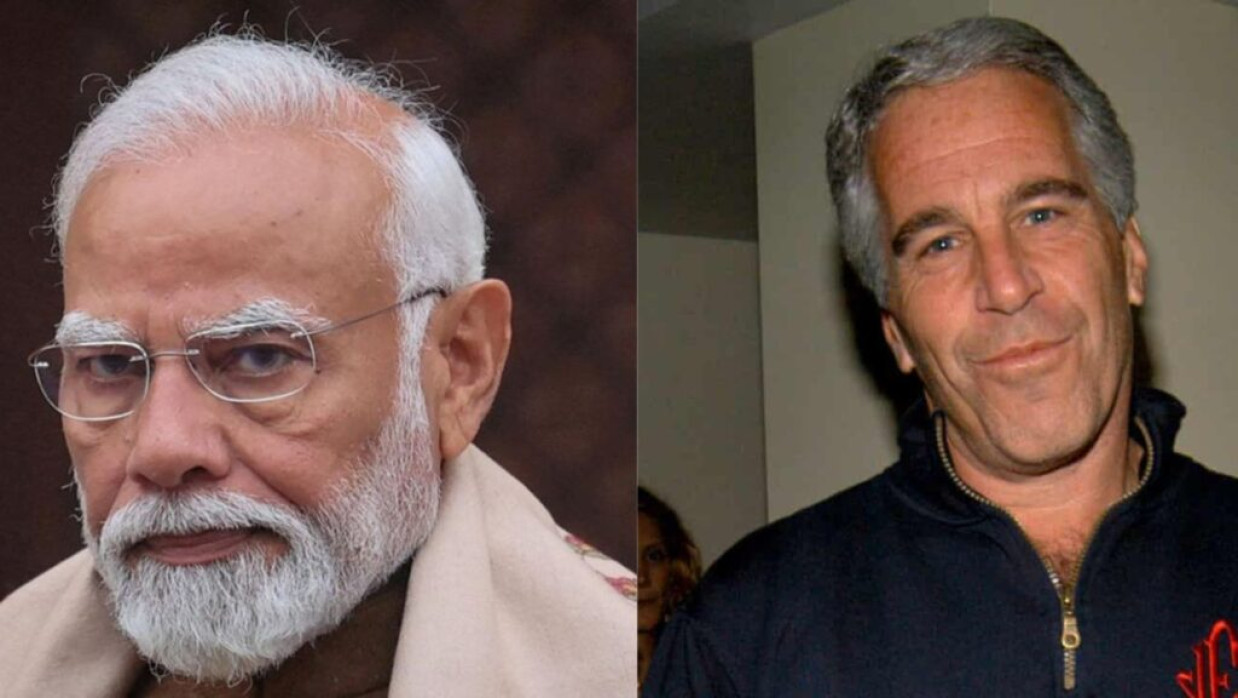
Indian news organizations are reporting that the January release includes communications with several Indian politicians, specifically conversations about, or mentions of Hardeep Singh Puri, and “globetrotting” references to Anil Ambani. Several news reports note that Indian Prime Minister Narendra Modi is mentioned in passing, even when the uncovered communications don’t directly name him.
Epstein allegedly emailed friends that he brokered an introduction between Narendra Modi and Steve Bannon. That resulted in 4-6 July 2017, Narendra Modi’s diplomatic mission to Israel. It’s the first-ever visit to Israel by an Indian prime minister. Prime ministers Benjamin Netanyahu and Narendra Modi have raised the relationship to a rarified level. Three days later, Jeffrey Epstein sends another email: “It worked. Modi sang and danced in Israel and promoted Trump in his upcoming election.” As crude as the boasting is, there’s reason to believe that Epstein was describing something he enabled rather than something he merely witnessed.
India’s official reaction has ranged from mild discomfort to firm rejection. Modi’s office, meanwhile, has said that a mere mention in a convicted criminal’s email chain amounts to “trashy ruminations,” which, of course, could be true. But it also cannot be an invitation to opacity.
The Trump–Modi “threat” video: what Epstein has to do with corroboration
In a related trend, Indian media and web users have fixated on a viral video that allegedly shows former US President Donald Trump saying he could “destroy” Narendra Modi. Fact-checking organizations and some Indian outlets are cautioning that the viral video appears to mischaracterize or edit out the context of what Trump actually said.
By Trump’s own (in)famous standards, it probably was “locker room talk” meant to express bragging superiority over a geopolitical rival. But the statement isn’t proven false. Nor is it proven true.
Both of these stories revolve around deeply suspect false equivalency. Stack allegations of real salaciousness (Epstein! Trump!) between claims of “proof” and conspiracy theories, and you wind up with a self-affirming conspiracy theory regardless of how disconnected the leaps may be.
Reading between stories: when silence becomes complicity
Except for one thing. The issue isn’t just about Trump’s alleged threat towards Modi or Modi’s alleged conversation with Ambani. The issue is what happens when such bombshell-y allegations are leveled: silence.
Silence isn’t always bad. Sometimes silence is the responsible course of action: don’t spread rumors. Verify. Protect privacy. Don’t interfere with delicate diplomacy. Sometimes silence is prudent.
Silence can also be calculated. Let public memory fade. Let bloggers burn themselves to the ground. Minimize political damage. Ideally, these systems of checks and balances, legislative oversight, independent media, and judicial scrutiny pressure close institutions from slipping into silence.
Except there’s more than reputations at stake. Epstein is accused of building an entire system of abuse predicated on fear, wealth, and influence. If he’s right, it corrupted people who walked through his doors and the institutions that looked the other way for too long.
National security concerns? Test of sovereignty, too
Selective (non)release of information can also be a national security issue. Countries negotiate everything from trade deals to defense pacts to energy supplies in a state of perpetual one-upmanship. If your rival can suggest or, God forbid, produce evidence that your highest officeholder is personally vulnerable, that can be political leverage.
Hint at it quietly. Wave it publicly. New and recent reporting on the US–India trade relationship provides a window into how rapidly mercantile tools become part of geopolitical grandstanding.
The danger isn’t simply what you know. It’s why you’re not telling.
Searching for answers: What we do and don’t know
As facts come to light about what Indian politicians did or didn’t know, communicate, or conspired about vis-à-vis Jeffrey Epstein, both critics and supporters of the Indian government are tasked with making judgment calls about what they believe.
But those determinations should be based on process as well as provenance: did officials give clear answers? Did investigators provide timelines? Were possible motives examined and dismissed, or simply ignored?
What might the Epstein files reveal about Narendra Modi, other Indian politicians, and officials?
Nothing. You won’t know until you read. But that doesn’t mean the process doesn’t matter.

0 Comments
LEAVE A COMMENT
Your email address will not be published