

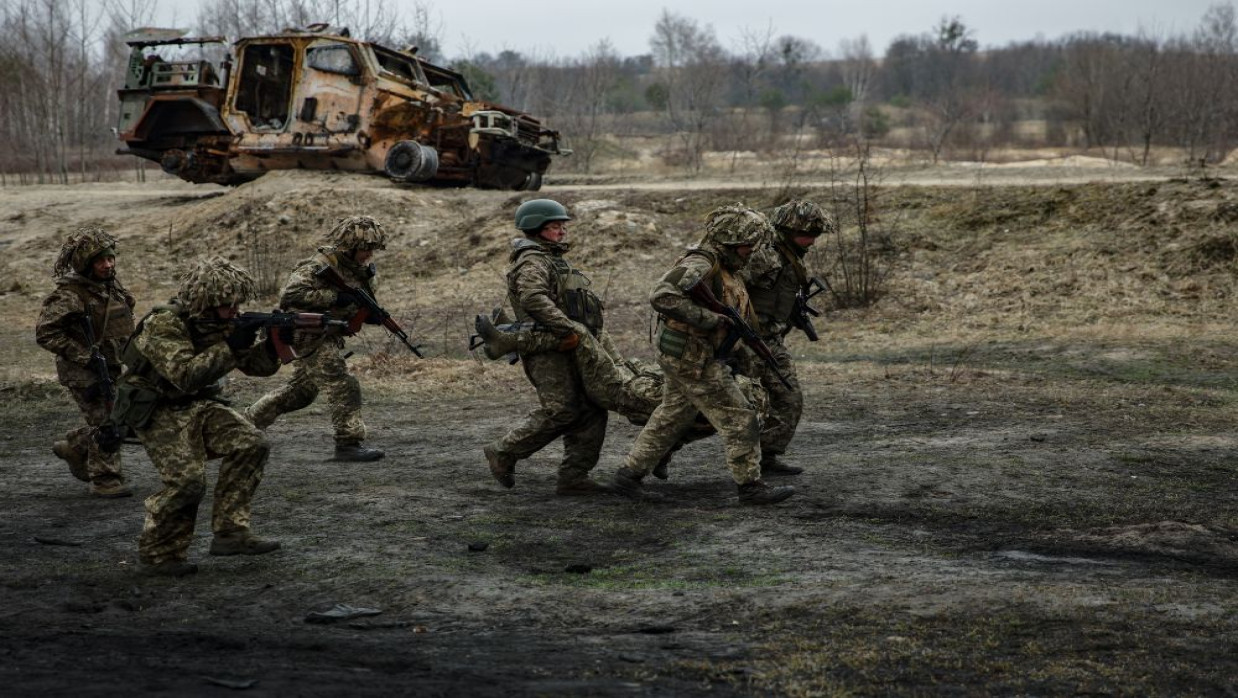
Ukraine’s first challenge is scale. When the war ends, its veteran population may reach two million — not counting police, medics, and first responders who also bear the weight. Kyiv will not release official counts of the physically and psychologically wounded until after victory. The Health Ministry estimates 15 to 20 percent will need clinical mental-health care. The system meant to hold them is already buckling. Care runs through a patchwork of state hospitals, private NGOs, foreign volunteers and donations. It was never built for this. Therapists trained in combat trauma are scarce. When demobilization comes, the flood of need will swamp it. Money is just as fragile. An amputee needs new prosthetics for life. Roughly 70 Ukrainian centres fit them, but most run on grants or private funds. Prosthetics are too vital and too costly to leave to charity. If the money stops, lives unravel.
And the country itself is an obstacle course. Soviet cities were not built for wheelchairs. Homes, offices, clinics, trams — few have ramps, wide elevators, or adapted apartments. Without concrete and steel changed to match human need, severely wounded veterans will be prisoners in their rooms. Isolation poisons both body and mind. Reintegration is also defence. Ukraine will need to recruit again. Showing that the state does not abandon its wounded is the best argument to the next generation. Yet a quiet gap has opened between soldiers and civilians. Ask veterans what they need and they answer like pragmatists: a decent job, a roof, enough money to feed a family — and, if disabled, benefits that last. Those basics are the ground they stand on to face everything else. Ask civilians and they put mental health first, material needs second. The mismatch breeds misunderstanding: civilians offering pity, veterans asking for respect and a chance to stand on their own. Kyiv can close it with policies that stress resilience and independence, and with public campaigns that tell the country what its soldiers actually want.
The Return of the Unwanted
Russia’s bureaucracy and clinics are straining too. At any moment, about 700,000 personnel are tied to the war. Between 137,000 and 300,000 veterans have already been discharged. When the fighting stops, Russia will have more than a million. It, too, lacks rehab centres and therapists. Its existing system — old sanatoriums, military hospitals, civilian clinics — cannot meet peacetime needs, let alone a surge. It is building dozens of new regional centres and leaning on Belarus for emergency care, China for prosthetics. It is not enough.
Unlike Ukraine, Russia’s towns are intact. But its people are braced. History taught them to be. Thirty-five percent of Soviet “Afghantsy” showed PTSD symptoms. The Chechen wars were worse. In the chaos of the 1990s, many veterans, unpaid and unseen, drifted into crime. By the 2000s, 100,000 were in prison. The words “Afghantsy” and “Chechentsy” still carry a warning. Now the public waits for the “Ukraintsy.” A September 2025 Levada poll found 40 percent of Russians expect more crime and conflict when the soldiers come home. Novaya Gazeta counted 8,000 veterans convicted since 2022, some for violent crimes. Even law-abiding veterans will meet stigma, apathy and fear. The Kremlin’s prison-recruitment has made it worse. To avoid another draft, it emptied cells. Between 120,000 and 180,000 convicts have been sent to the front since 2023, alongside men with criminal records, addiction, or untreated illness. Some will return and offend again. As Estonia’s intelligence service wrote: “Russia’s frontline units are largely composed of individuals who, under normal circumstances, should not be entrusted with weapons.”
Both capitals see the storm coming. But only Russian veterans carry an extra weight: years of abuse by their own commanders, and a state that threatens prison if they speak of it. So Moscow must do more than heal. It must contain. It must keep the public from learning what happened in the ranks, and keep troubled veterans from tearing at society. The Kremlin is moving earlier than it did after Afghanistan or Chechnya. Putin put a relative, Anna Tsivileva, in charge of veterans as deputy defense minister — a sign this is personal. A trained psychiatrist, she estimates 20 percent of veterans will need PTSD care and wants every discharged soldier screened. Russia has expanded benefits, with mixed success. There are university quotas for veterans and their children, job training, housing, cars for the disabled. Regional Defenders of the Fatherland offices guide men through bureaucracy, toward jobs or doctors. Time of Heroes retrains select veterans for government posts — loyalty in exchange for status. A 2025 federal program funds veteran businesses. These programs help, but they reach few. A mass demobilization would drown them.
None of this touches the root: brutality inside Russian units. And laws that jail criticism of the army make healing harder. A public that cannot ask what the war did to its men cannot learn how to receive them. The Kremlin’s “new elite” narrative will crash into lived reality — neighbours who fear the returnees, crimes that confirm the fear. So Moscow mixes care with control. Psychologists at the front score soldiers’ mental readiness. That data could mark “problem” personnel for special handling. The Duma has debated resettling such men permanently in occupied Ukraine, with families as incentive. Others may be shunted into mercenary groups in Africa or the Middle East. Those who come home and break the peace will likely be reincarcerated — solving two problems at once: calming the public, hiding the veteran. Demobilization may be staggered by contract date, not all at once. Time of Heroes will elevate a few as symbols. Veterans’ groups will be co-opted to police the rest. It is pragmatism braided with coercion: help some, silence others, and isolate the dangerous. The Kremlin wants a population that keeps looking away, and veterans who keep their pain private. That is a fantasy. The gulf between state myth and street truth will grow, especially if crimes mount. Russia may find that its soldiers and its society do not reintegrate at all.
Kyiv is listening to its veterans. Since 2022 it has built policy around three pillars: coordinated care, work, and access. It is merging benefits so wounded soldiers and families aren’t lost in paperwork. New programs teach independent living to the severely injured and their families, fund reconstructive surgery for burns and blast wounds, and extend medical coverage for years. Cities must be rebuilt for wheelchairs — ramps, elevators, adapted housing. Stipends will help veterans modify homes and cars. Work is the second pillar. The state runs training, certification, and placement. Employers who hire vets get full wage subsidies. Federal grants back veteran startups. These are pilots. They must scale for the hundreds of thousands still fighting. That will take foreign money. Kyiv must convince partners that funding veterans is funding reconstruction. For Ukraine, this is existential. Veterans are a huge share of the population. If they thrive, the country heals. If they flee, the demographic collapse deepens. Reintegration done poorly means another wave of emigration — the loss of the very people who bled to keep Ukraine alive.


0 Comments
LEAVE A COMMENT
Your email address will not be published